





By Mohamed Attia
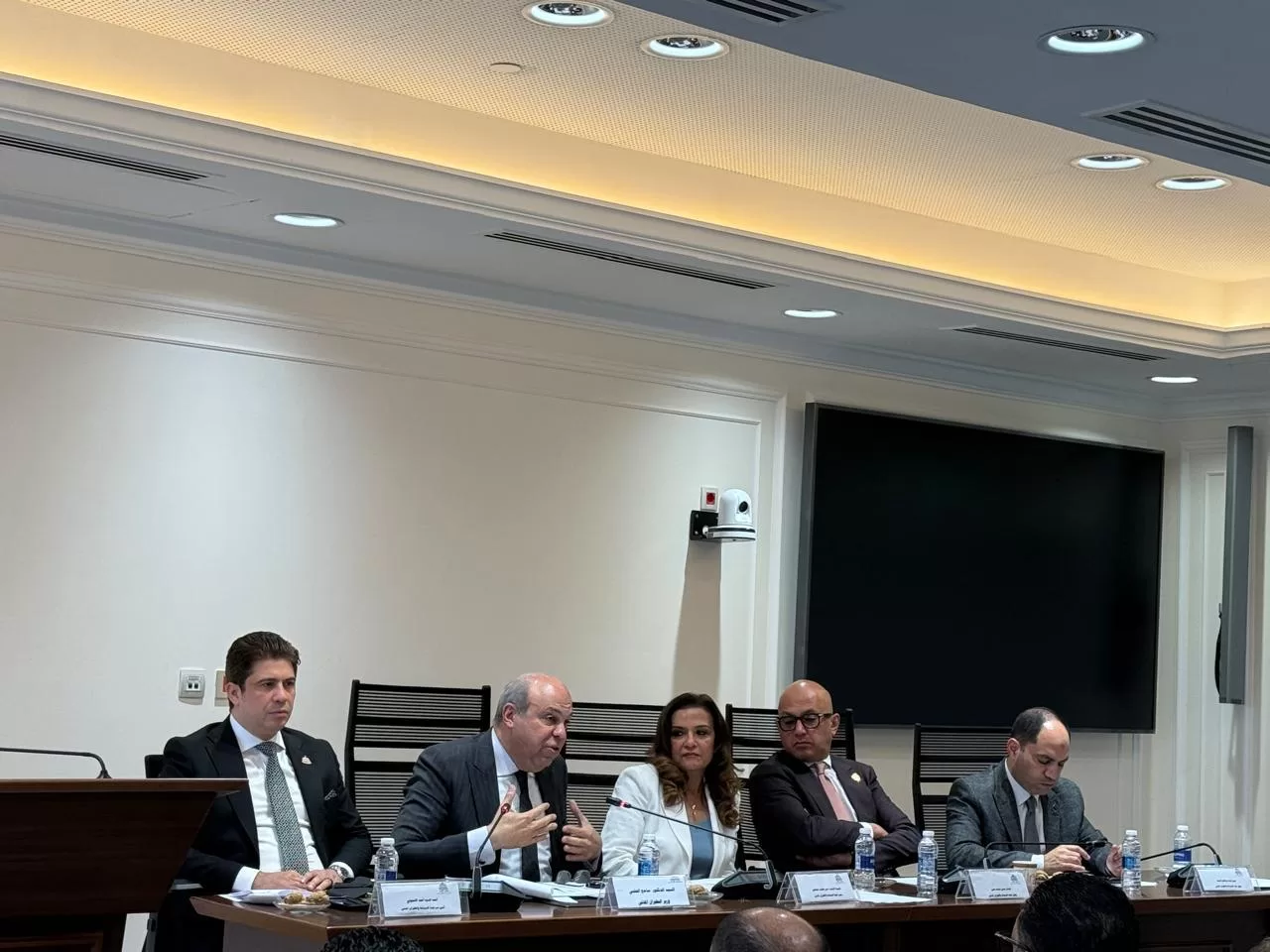
During a recent meeting with the Tourism and Aviation Committee of the House of Representatives, Minister of Civil Aviation Sameh el-Hefny outlined a comprehensive strategy to modernise Egypt’s air travel infrastructure.
A major highlight of this plan is the construction of Terminal 4 at Cairo International Airport.
This ambitious project is designed to increase the airport’s total capacity to over 60 million passengers every year.
By integrating the latest technology and operational systems, the ministry aims to solidify Cairo’s status as a primary regional hub for international travel.

Addressing recent concerns over ticket prices, particularly for flights from the Gulf region, the minister clarified that EgyptAir remains dedicated to passenger rights and contractual obligations.
He explained that recent price adjustments were necessitated by regional challenges that have increased costs for fuel, insurance, and flight rerouting.
Despite these hurdles, the national carrier is seeing a significant turnaround. EgyptAir recently climbed 20 spots in the global Skytrax rankings to reach 68th place and has launched a plan to clear all accumulated losses within the next four years.
The fleet expansion is a cornerstone of this growth strategy. EgyptAir plans to increase its fleet to 97 aircraft by 2031, while the subsidiary Air Cairo – a vital driver for tourism – aims to double its fleet to 82 aircraft over the next four years. Currently, Air Cairo handles about 20 per cent of Egypt’s inbound tourist traffic. To maximise efficiency, an international consultant is working to better integrate the flight networks of both airlines, ensuring they can reach a wider variety of global markets more effectively.
Technology and sustainability are also at the forefront of the ministry’s agenda. In a move to modernise the travel experience, paper passport cards are being phased out in favour of a digital system developed with the Ministry of Interior.
This digital shift, already beginning at Cairo International Airport, is designed to speed up processing times for travelers.
Furthermore, the sector is moving toward a green economy by expanding solar energy use at airports and studying the local production of Sustainable Air Fuel (SAF) to reduce the industry’s carbon footprint.
Finally, the Minister assured the committee that the sector is fully prepared for the upcoming Hajj season. Coordination between EgyptAir and airport authorities is being intensified to ensure that pilgrims receive high-quality service and experience smooth transitions during their travels.
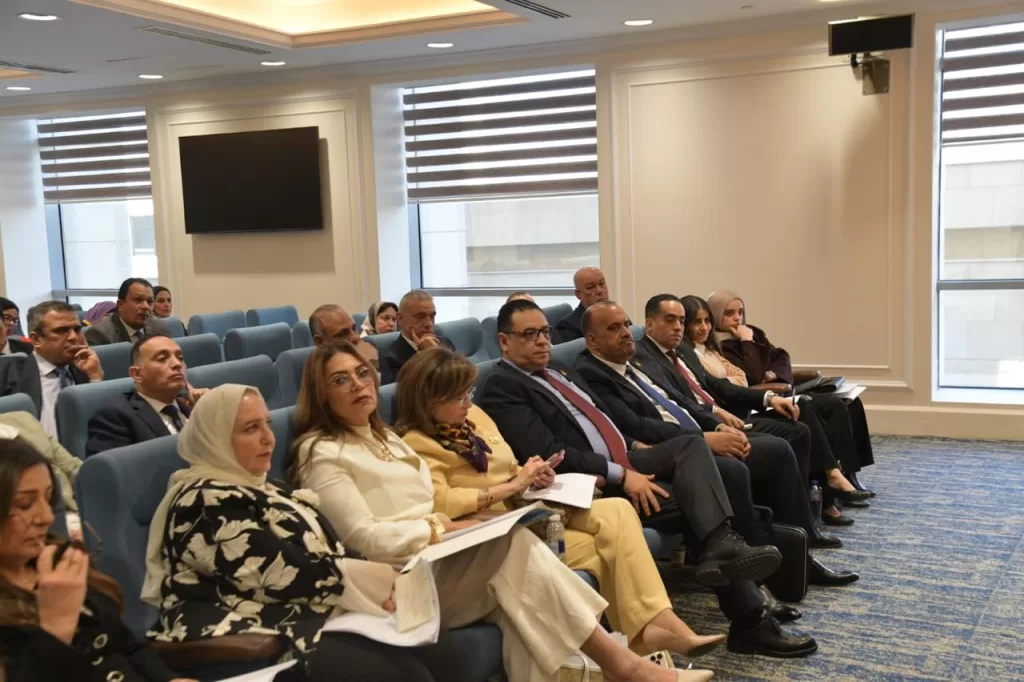
Members of Parliament expressed their support for these initiatives, noting that updated regulations and the focus on digital transformation are creating a much stronger environment for investment and growth within the Egyptian aviation industry.

