



Cooperation Frameworks Signed to Strengthen International Partnerships and Build Technical Capacity in Civil Aviation
El-Hefny: International partnerships reflect global confidence in Egypt’s civil aviation system
Egypt is committed to integration with international organizations to ensure the sustainability of the future air transport industry
Delegations: What we have witnessed confirms Egypt’s steady progress in reinforcing its regional leadership… We look forward to broader partnerships with Egypt
By Mohamed Attia
The Egyptian Ministry of Civil Aviation has hosted a high-level international delegation representing key global and regional civil aviation organizations, including the International Civil Aviation Organization (ICAO), the African Civil Aviation Commission (AFCAC), and the Latin American Civil Aviation Commission (LACAC), as part of an extensive inspection visit to Egypt’s civil aviation sector.
The visit aimed to strengthen international cooperation, enhance aviation safety, build technical and human capacities, and expand training and expertise exchange. It also included the signing of future cooperation frameworks to support sustainable development across the civil aviation ecosystem.

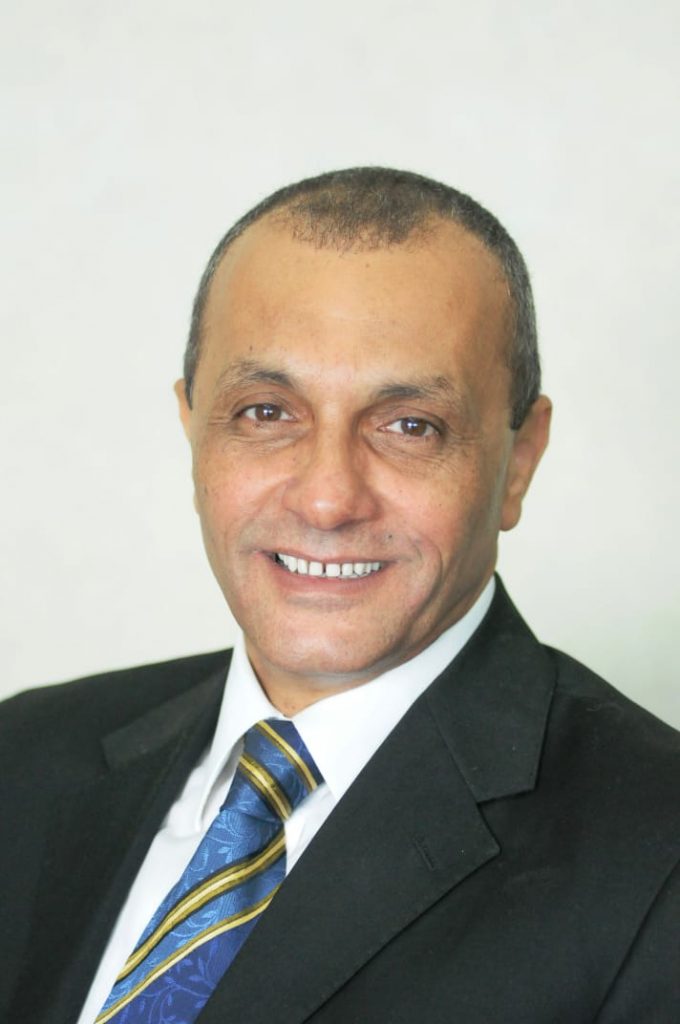
The delegation was received by Dr. Sameh El-Hefny, Minister of Civil Aviation, and included senior civil aviation and air transport officials from several African and Latin American countries, alongside Mohamed Rahma, Director of ICAO’s Air Transport Bureau, and Reem Araby, Egypt’s Alternate Representative to the ICAO Council. Discussions focused on reinforcing strategic partnerships, advancing institutional dialogue, and reviewing Egypt’s ongoing modernization and development efforts in civil aviation.
The program commenced at the headquarters of the Egyptian Civil Aviation Authority (ECAA), where Captain Amr El-Sharkawy, Chairman of the Authority, delivered a comprehensive briefing on Egypt’s regulatory and oversight framework, operational and technical capabilities, and institutional structure. The delegation toured several key departments, including airport safety performance, airspace and aeronautical information services, and international agreements.

The visit also included the ECAA Operations Center and Crisis Management Room, where officials highlighted the center’s role as a strategic control and support hub equipped with state-of-the-art systems for managing emergencies and non-routine operational situations. The delegation was briefed on real-time monitoring tools, decision-support systems, crisis response scenarios, and mechanisms ensuring operational continuity and air traffic safety nationwide.
Within the framework of Egypt’s leadership role on the ICAO Council—and in line with ICAO’s 2026–2028 strategy centered on “leaving no country behind”—Dr. El-Hefny witnessed the signing of future cooperation frameworks between the Egyptian Civil Aviation Authority, ICAO, and LACAC. The agreements were signed by Captain Amr El-Sharkawy on behalf of Egypt, in the presence of H.E. Maldonado Roman Aset, Ambassador of the Dominican Republic to Cairo.

The cooperation frameworks focus on supporting State Safety Programs (SSP), Safety Management Systems (SMS), regulatory oversight, and the development of air navigation services, including Air Traffic Management (ATM), Aeronautical Information Management (AIM), Performance-Based Navigation (PBN), aviation security, human factors, and compliance with international standards.
Dr. El-Hefny emphasized that the visit reflects growing international confidence in Egypt’s civil aviation capabilities, underscoring the Ministry’s commitment to sustainable cooperation with international and regional organizations. He noted that the agreements align with Egypt’s strategic vision to enhance knowledge transfer, build human capital, and strengthen institutional and operational infrastructure, reinforcing Egypt’s position as a key regional air transport hub.

As part of the field tour, the delegation visited the Main Operations Center of the Egyptian Airports Company, where they were received by Captain Wael El-Nashar. Officials presented the national plan for upgrading and modernizing Egyptian airports, focusing on infrastructure development, advanced operational technologies, improved passenger services, and expanded private-sector partnerships to support economic sustainability and investment optimization.
The delegation also toured the National Air Navigation Services Company, where Navigator Ihab Mohi, Chairman of the Company, showcased modern air traffic management systems and operational technologies. The visit included the Cairo Air Navigation Center (CANC), highlighting the critical role of air traffic controllers, aeronautical information specialists, systems engineers, operations, maintenance, and communications personnel in ensuring the safety and efficiency of Egyptian airspace at regional and international levels.

At EgyptAir Training Academy, Captain Walid Suleiman, Chairman of the Academy, presented the institution’s advanced training programs and facilities, including flight simulators, a B777 simulator, and specialized emergency, evacuation, and cabin crew training centers. Officials praised the Academy as a comprehensive model for human capacity building in line with the highest international standards.
The program concluded with a visit to EgyptAir Maintenance & Engineering, where the delegation reviewed advanced technical capabilities and infrastructure supporting aviation safety. The tour included Hangar 8000 for wide-body aircraft maintenance, the engine overhaul complex, and quality and technology systems that position Egypt as a leading regional hub for aircraft maintenance and engineering services.

Delegation members from ICAO, AFCAC, and LACAC expressed strong appreciation for the comprehensive progress achieved across Egypt’s civil aviation sector, commending advancements in training, maintenance, air navigation, infrastructure, and operational systems, and affirming that these achievements reflect a clear strategic vision and coordinated institutional efforts.
On the sidelines of the visit, the Ministry of Civil Aviation organized a cultural and tourism tour in coordination with the Ministry of Tourism and Antiquities, allowing delegation members to visit several of Cairo’s iconic historical and cultural landmarks.

Before continuing to Sharm El-Sheikh, the delegation inspected Sharm El-Sheikh International Airport, recognizing its strategic importance as a regional aviation hub. Officials highlighted the airport’s advanced infrastructure, operational efficiency, flexible capacity, and integrated safety and security systems, as well as its role in enhancing tourism connectivity and serving international markets efficiently year-round.
At the conclusion of the visit, delegation members called for expanding international cooperation and organizing broader field visits involving all international and regional civil aviation organizations, praising Egypt’s comprehensive development achievements and the ongoing modernization of its civil aviation sector in accordance with the highest global standards.

