


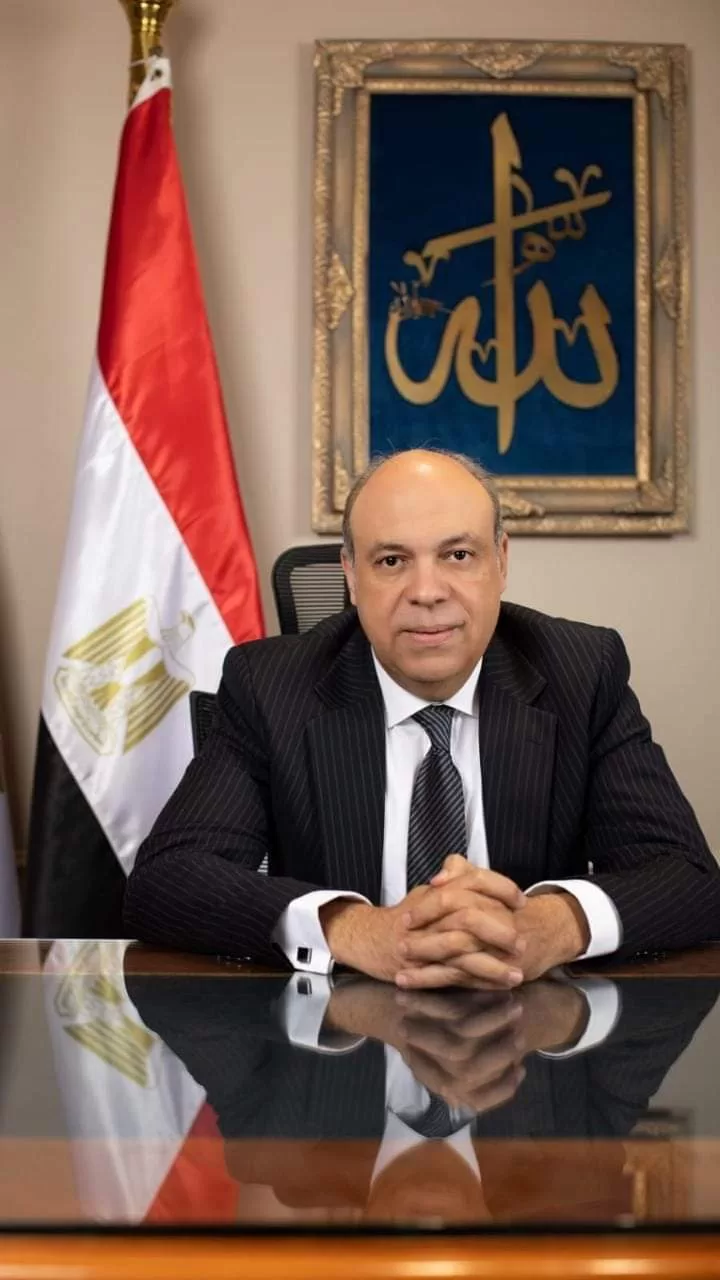

By Mohamed Attia
Egypt’s Ministry of Civil Aviation, under the guidance of Minister of Civil Aviation Sameh Al-Hefny, has started using Sustainable Aviation Fuel (SAF) to reduce carbon emissions by gradually phasing out fossil fuels, promote green investments, and ensure the sustainability of the aviation sector in line with the policies of the International Civil Aviation Organisation (ICAO), Africa is also moving towards sustainability in aviation.
In a step reflecting the African continent’s move toward promoting sustainability in the aviation sector, a continental workshop on developing and deploying sustainable aviation fuel (SAF) policies, held in Pretoria, has concluded.
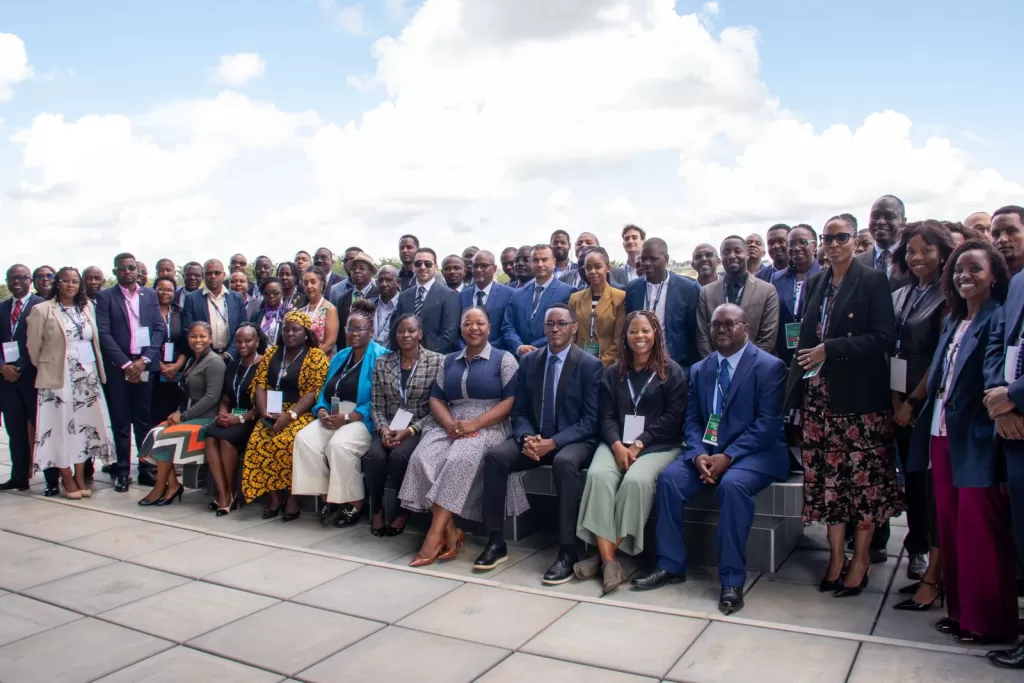
The workshop was held with high-level participation from policymakers, aviation experts, government representatives, and the private sector from various African countries. Egypt was represented by Captain Karim Gamal, Advisor to the Chairman of the Egyptian Civil Aviation Authority.
The workshop was held under the patronage of the African Union and the Common Market for Eastern and Southern Africa, as part of joint efforts to support the transition toward more sustainable aviation and to strengthen the continent’s ability to keep pace with global trends in reducing carbon emissions in the aviation sector.
The workshop included extensive discussions about the development mechanisms of the sustainable aviation fuel system in Africa, with the participants reviewing the strategic trends that aim to achieve energy security, open new economic prospects, and strengthen the local value chains in sectors related to energy and aviation.
The participants emphasised that the development of sustainable aviation fuel is a strategic opportunity for the African continent, as it offers significant potential to support economic growth and create new job opportunities, particularly in the aviation, petroleum, agriculture, industry, and transport sectors.
The discussions also stressed the importance of strengthening regional co-operation and continental integration through partnerships among African countries to pool resources and develop joint projects. This, in turn, will contribute to increasing investment in this vital sector.
The workshop, at its conclusion, recommended the need to introduce flexible and incentive policies for investment in sustainable aviation fuel, support innovation and scientific research, as well as strengthen public-private sector partnerships and work on developing unified regulatory frameworks at the continental level.
It is worth noting that this step comes at a time when the African aviation sector is witnessing rapid growth, making the transition to sustainable fuel an urgent necessity to ensure the sustainability of this growth and achieve the continent’s long-term development goals.

