


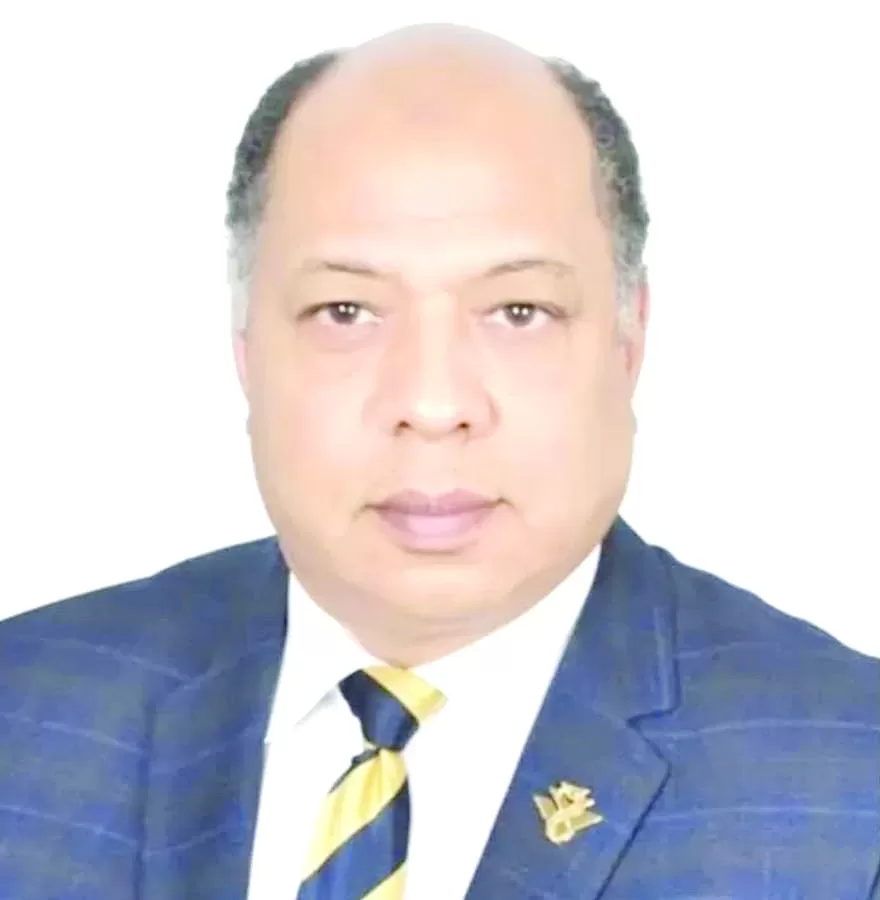
Ahmed Salam
Every year at this time, global attention shifts to the Chinese capital for the commencement of the “Two Sessions,” or Lianghui. This term refers to the concurrent annual plenary sessions of the National People’s Congress (NPC), China’s top legislature, and the National Committee of the Chinese People’s Political Consultative Conference (CPPCC), the nation’s preeminent political advisory body.
As the most significant events on China’s political calendar, these meetings outline essential economic and social policies, establish development priorities, and address international issues that shape the future of the global economy.
This year’s sessions carry exceptional weight amid rapid geopolitical shifts, most notably the military escalation between the United States and Iran. This conflict, alongside associated regional tensions and interventions by other parties in the Middle East, has cast a shadow of uncertainty over the global market, specifically regarding surging energy prices and the disruption of international supply chains.
The meetings in Beijing underscore China’s commitment to maintaining economic stability during a period of escalating political and security volatility. As the world’s second-largest economy, China recognises that any major disruption to the international economic order will directly impact global trade, investment, and production chains, with the nations of the Global South set to be significantly affected.
During the “Two Sessions,” the Chinese government presents its annual Work Report, which includes economic growth targets and future development blueprints. Crucially, these meetings mark the beginning of the implementation of China’s 15th Five-Year Plan (2026–2030). This plan focuses on transitioning towards an economy driven by innovation and advanced technology, while simultaneously boosting domestic consumption and achieving more sustainable development.
These developments highlight Beijing’s awareness that the world is undergoing a transitional phase characterised by intensifying competition between major powers and rising risks for all nations. Consequently, Beijing is moving to strengthen its economic and scientific capabilities to ensure internal stability and sustain its role in the global economy.
Beyond economics, this year’s meetings carry a potent political message regarding China’s vision for the international order. As military conflicts escalate across various regions, Beijing is advocating for the resolution of disputes through dialogue and negotiation rather than military force. China maintains that economic development and international co-operation remain the most effective paths towards global security and stability.
This Chinese stance is particularly relevant given the current tensions in the Middle East. The global economy relies heavily on the stability of energy supplies from the region, specifically through the Strait of Hormuz, a transit point for a significant portion of the world’s oil trade. Any military escalation in this area inevitably triggers widespread economic repercussions.
In this context, China seeks to present an alternative model for international relations based on economic co-operation and mutual development. This vision is embodied in initiatives such as the Belt and Road Initiative (BRI), which aims to enhance economic connectivity across Asia, Africa, and Europe.
In a world beset by successive crises from wars to economic challenges, the “Two Sessions” are more than just internal political gatherings. They serve as a vital barometer for how China views the future of the global economy and its own role in preserving international stability. Ultimately, through these sessions, Beijing is sending a clear message: in an increasingly complex world, development and international cooperation offer a genuine alternative to conflict and war.
Ahmed Salam
Member of the Egyptian council for foreign affairs and former Egyptian media counsellor in Beijing

