

•Egypt’s security and leadership have safeguarded what conflicts have destroyed elsewhere
•Egypt is viewed as the world civilisation’s safest vault
In an era marked by turmoil, wars, and the erosion of cultural identity across parts of the Middle East, Egypt stands as a beacon of stability and continuity, a nation that not only guards its own treasures but safeguards a vital chapter of humanity’s shared story.
While conflicts have reduced ancient sites in Iraq, Syria, and many other countries to rubble, Egypt has proven that stability, vision, and national will protect civilisation’s memory even amid economic hardships and regional upheavals.
For millennia, Egypt has been synonymous with civilisation itself. The temples of Luxor, Karnak, the pyramids of Giza, and the treasures of the Valley of the Kings are not merely national symbols, but global testaments to human ingenuity.
Yet what is truly remarkable is that, in the twenty-first century, Egypt has managed not only to preserve these treasures but also to revive and expand the world’s understanding of them.
At the heart of this effort lies Egypt’s political and security stability, which has provided the foundation for unprecedented cultural achievements.
While neighbouring countries have suffered from wars, looting, and the obliteration of heritage, Egypt has remained focused on conservation and discovery.
The Egyptian state’s unwavering commitment to protecting antiquities, underpinned by the professionalism of its Ministry of Tourism and Antiquities, has resulted in a renaissance of archaeological activity and museum development.
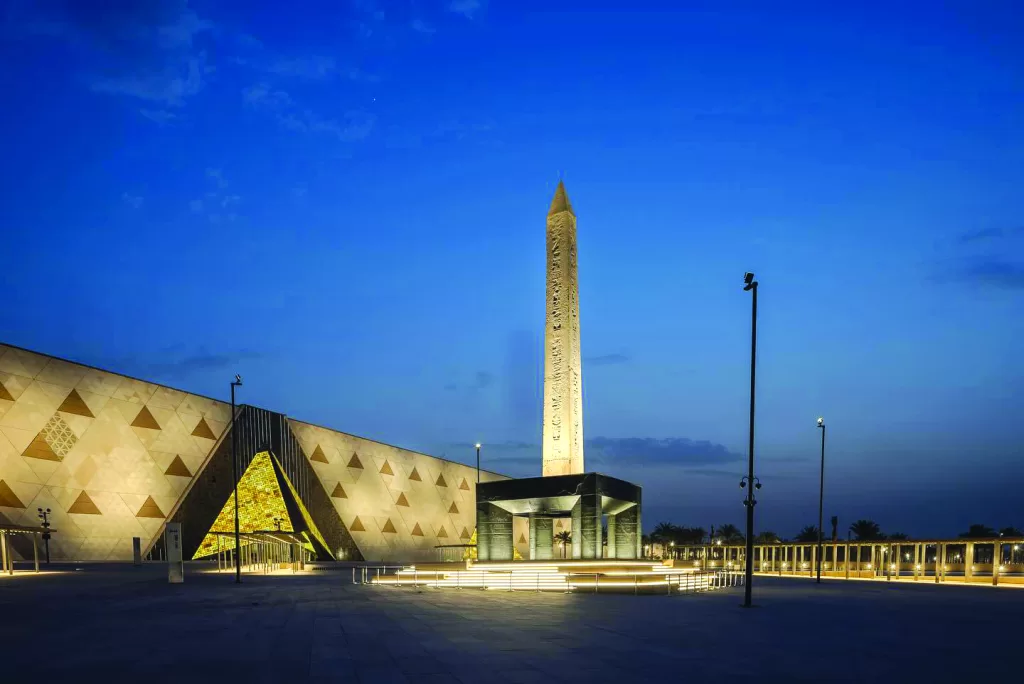
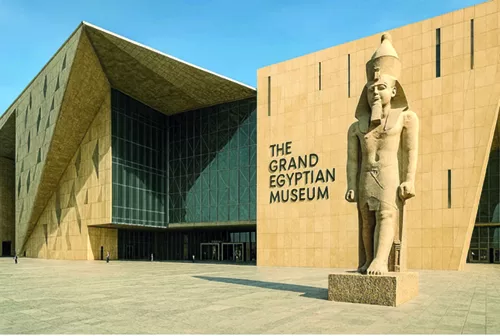
The pinnacle of this effort is the Grand Egyptian Museum (GEM), the largest archaeological museum in the world.

Perched near the Giza Plateau, overlooking the wonder of the ancient world, the GEM symbolises Egypt’s resilience and responsibility towards humanity’s cultural inheritance.
Built over two decades, amid financial strains and global crises, the museum’s completion represents not just an architectural milestone but a national statement that Egypt’s civilisation endures, adapts, and continues to inspire.
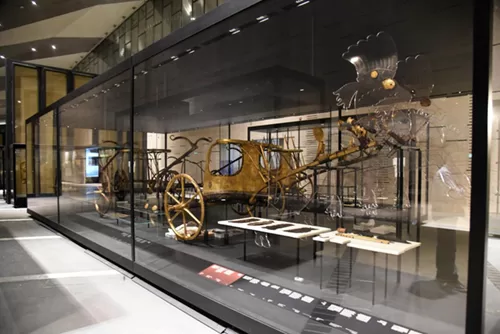
Within the walls of this monumental institution, thousands of thousands of artefacts have been restored, catalogued, and displayed with state-of-the-art preservation technology.
Many of these treasures had languished unseen in storage for decades. Today, they are presented to the world in an environment designed to protect them for generations to come.
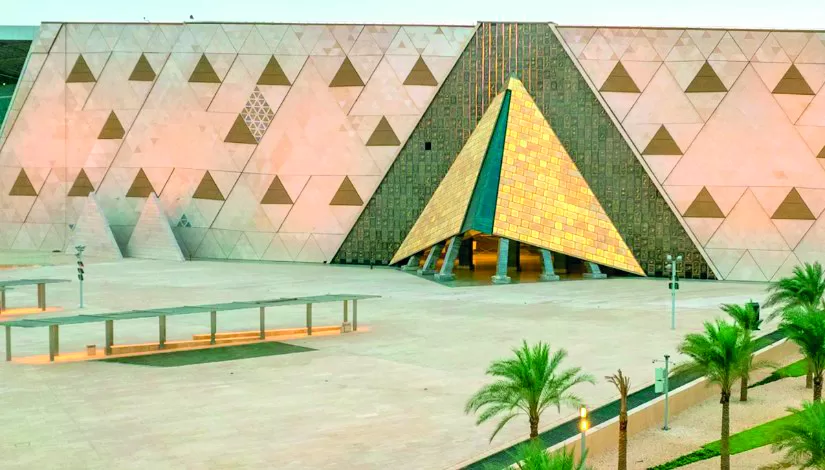
The museum’s laboratories are among the most advanced in the region, attracting international experts and solidifying Egypt’s role as a leader in heritage conservation.
Beyond the GEM, Egypt’s archaeological discoveries in recent years have astonished the world. Entire burial shafts, ancient workshops, and new tombs have been unearthed in Saqqara, Luxor, and Aswan, often through Egyptian-led missions, a testament to the country’s growing expertise and self-reliance in archaeology.
Even as the economy faced challenges, Egypt continued to invest in excavations, restorations, and tourism infrastructure, understanding that its cultural wealth is both an economic and moral asset.
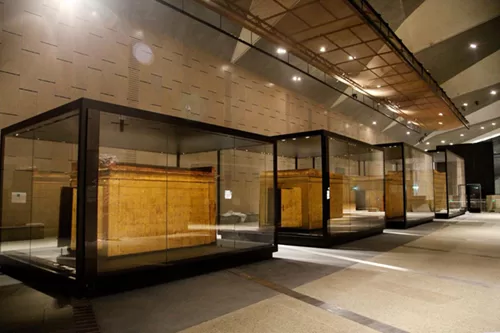
This success story stands in stark contrast to the devastation witnessed elsewhere in the region. In Iraq and Syria, ancient cities like Mosul and Palmyra, once jewels of human history, were ravaged by war and extremism.
Priceless artefacts were looted or destroyed, museums burned, and sites reduced to rubble. The difference is not only in fortune but in governance. Egypt’s enduring state institutions, its security apparatus, and its prioritisation of cultural heritage have shielded its antiquities from the chaos that consumed its neighbours.
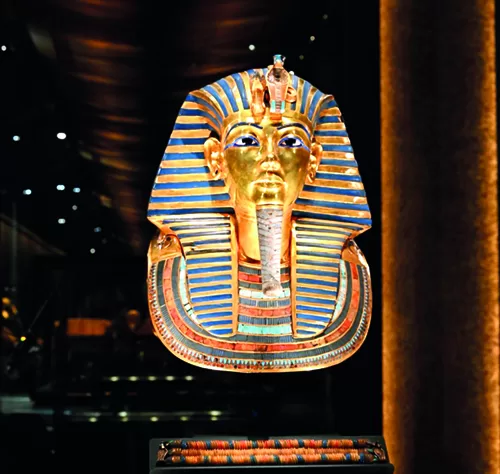
The lesson is clear: heritage cannot survive without stability, and civilisation cannot flourish without peace.
Egypt’s experience demonstrates that safeguarding history is inseparable from safeguarding the state itself. The protection of monuments, manuscripts, and museums is not merely a cultural act, but a declaration of continuity, an assertion that amid change and challenge, some legacies must endure.
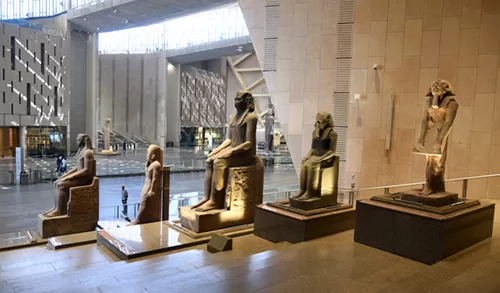
As Egypt opens the GEM to the world, it sends a powerful message: nations can preserve their soul through wisdom, resilience, and unity.
In preserving the past, Egypt has also safeguarded the future, not only for itself but for all humanity. The sands of time may shift, but Egypt’s commitment to civilisation remains steadfast, as eternal as the pyramids that watch over its people.