





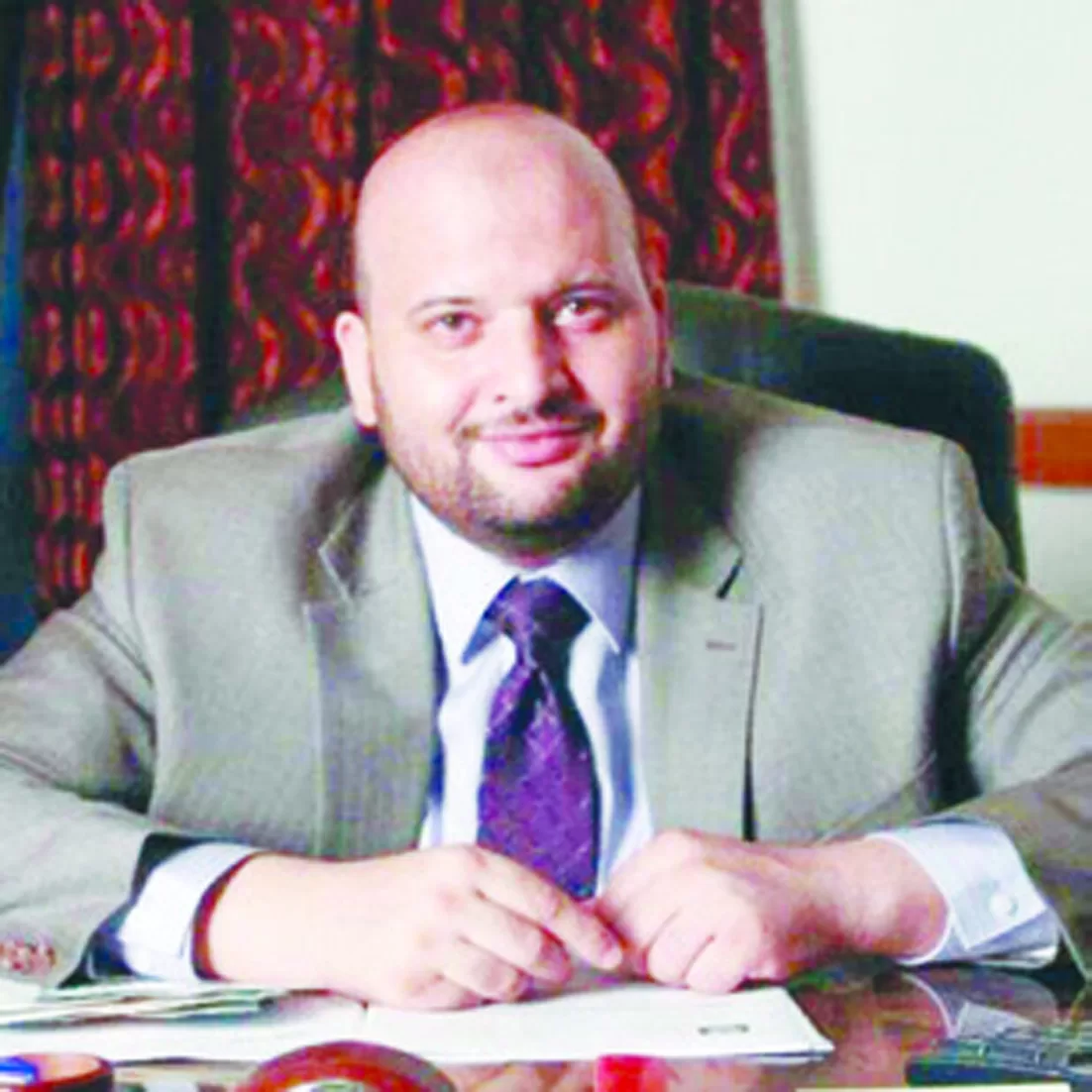
Ibrahim Negm
Senior advisor to the Grand Mufti of Egypt
When David Brooks bid farewell to The New York Times last week after 22 years, he left readers not with political prescriptions but with a haunting diagnosis: societies collapse not because of bad policies but because the underlying faith that makes collective action possible evaporates. His words should resonate powerfully in Egypt — a nation that has learned, sometimes painfully, that institutional frameworks without spiritual foundations are houses built on sand.
The lesson is simple yet profound: policy interventions address symptoms; faith addresses etiology. And by faith, I mean not religious observance alone — though that matters — but the entire architecture of shared belief: trust in neighbors, confidence in institutions, commitment to common narratives, and conviction that the future holds promise.
Across the Western world, this architecture is crumbling. Brooks cites devastating statistics: only 13 percent of young Americans believe their country is heading in the right direction; 69 percent explicitly reject the American Dream. A Harvard study found that 58 percent of college students reported no sense of purpose or meaning in the preceding month. Public discourse has become more negative than at any point since the 1850s — the decade that culminated in civil war.
What explains this paradox of objective improvement and subjective despair? Brooks answers with clarity: freedom without teleology produces paralysis, not liberation. The West expanded personal choice, identity, lifestyle — freedoms of every conceivable variety — while systematically evacuating the frameworks that help individuals direct freedom toward meaningful ends. The humanities were abandoned for technical training. Moral education was “privatized,” with each individual tasked to invent their own values from scratch. Religion was marginalized as embarrassing inheritance.
The result is what Brooks calls “naked public squares” — societies stripped of consensus about what constitutes good, beautiful, or worthy lives. Into this vacuum rushed nihilism, the conviction that altruism is illusion, power is ultimate, and cynicism is wisdom. The political manifestations—populism, strongman worship, celebration of cruelty — are symptoms, not causes.
Egypt occupies a unique position in this conversation. As the Arab world’s most populous nation, inheritor of civilizations spanning millennia, home to Al-Azhar’s scholarly tradition, and custodian of both pharaonic and Islamic heritage — Egypt understands, in ways younger nations cannot, that societies are held together by invisible bonds more than visible regulations.
The Hayat Karima initiative, the social protection reforms, the infrastructure investments—these matter. But they matter most when embedded within frameworks of meaning that help citizens understand why their sacrifices contribute to something worthy. Policy without faith produces compliance; policy animated by faith produces participation.
Egypt’s own tradition offers resources the West has abandoned. The concept of takaful — mutual responsibility and social solidarity—is not merely an insurance mechanism but a spiritual commitment rooted in understanding human beings as morally interconnected. The Islamic emphasis on maslaha — public interest — presumes shared frameworks for determining what “interest” means. The preservation of religious authority alongside state authority, however imperfect in practice, reflects intuition that societies need both material governance and moral guidance.
This is not nostalgia or triumphalism. Egypt faces genuine challenges: economic pressures, regional instability, the eternal tension between tradition and modernity, the question of how civil society relates to state power. But these challenges are navigable when citizens share faith in the nation’s purpose and in each other.
What would it mean to take seriously the primacy of faith over policy? It would mean investing in moral education alongside technical training. It would mean protecting religious institutions and humanistic inquiry as essential public goods rather than private preferences. It would mean cultivating national narratives that inspire sacrifice and solidarity. It would mean recognizing that economic development without spiritual development creates material comfort without human flourishing.
Brooks concluded his farewell by asking where he might join the humanistic project—the effort to rebuild what nihilism destroys. Egypt’s answer might be that we never fully abandoned it. The call to prayer still sounds five times daily. Families still gather. Scholars still debate the requirements of faith in modern circumstances. The “Great Conversation” that Brooks discovered in Western philosophy and literature has its counterpart in our own tradition — one that has addressed questions of meaning, justice, and human dignity for fourteen centuries.
The West may be learning, through bitter experience, what Egypt has long known: that policy without faith is engineering without architecture, motion without direction, freedom without purpose. The question is not whether we will rebuild the foundations of belief — the question is whether we will do so wisely, drawing on the best of our inheritance while addressing the genuine challenges of our moment.
That task requires not better technocrats but better souls. And forming souls is the work not of ministries but of communities, families, mosques, and schools animated by conviction that human beings are made for more than consumption and survival.
This is the primacy of faith over policy. Egypt, of all nations, should understand it.

