



• Latest
  • Trending
  • All
  • Egypt
  • Business
  • Local
  • World
Why global powers race back to Africa’s resource riches (2-2)

How US manages its interests in the Middle East (1 – 3)

March 29, 2026
Mexico beats South Africa in World Cup opener

Mexico beats South Africa in World Cup opener

June 11, 2026
Argentina call up Senesi for World Cup after Balerdi injury

Argentina call up Senesi for World Cup after Balerdi injury

June 11, 2026
Mexico opens World Cup with passion, parties

Mexico opens World Cup with passion, parties

June 11, 2026

Egypt calls for stronger global transport networks to support tourism 

June 11, 2026
What makes a World Cup anthem unforgettable

What makes a World Cup anthem unforgettable

June 11, 2026
Israel releases Hamas co-founder after over two years in detention

Israel releases Hamas co-founder after over two years in detention

June 11, 2026
UK defence secretary resigns

UK defence secretary resigns

June 11, 2026
Egypt clears $6.1b oil debt, restoring confidence in energy sector

Egypt clears $6.1b oil debt, restoring confidence in energy sector

June 11, 2026
Trump cancels Iran strikes as mediators claim deal close

Trump cancels Iran strikes as mediators claim deal close

June 11, 2026
UN Council

Egypt calls for stronger global transport networks to support tourism 

June 11, 2026
  • Advertise
  • Privacy & Policy
  • Contact
Friday, June 12, 2026
  • Login

Editor-in-Chief

Mohamed Fahmy

Board Chairman

Tarek Lotfy

Egyptian Gazette
No Result
View All Result
  • HOME
  • EGYPT
    • Local
    • Features
  • World
    • National Day
  • Technology
  • BUSINESS
    • Real Estate
    • Automotive
  • SPORTS
  • ENTERTAINMENT
    • Arts
    • Health
    • Lifestyle
    • Travel
  • Skyward
    • Snippets from EgyptAir history
  • MORE
    • Multimedia
      • Video
      • Podcast
      • Gallery
    • OP-ED
  • HOME
  • EGYPT
    • Local
    • Features
  • World
    • National Day
  • Technology
  • BUSINESS
    • Real Estate
    • Automotive
  • SPORTS
  • ENTERTAINMENT
    • Arts
    • Health
    • Lifestyle
    • Travel
  • Skyward
    • Snippets from EgyptAir history
  • MORE
    • Multimedia
      • Video
      • Podcast
      • Gallery
    • OP-ED
No Result
View All Result
Egyptian Gazette
No Result
View All Result
Home OP-ED

How US manages its interests in the Middle East (1 – 3)

by Gazette Staff
March 29, 2026
in OP-ED
How US manages its interests in the Middle East (1 – 3) 11 - Egyptian Gazette
Share on FacebookWhatsapp

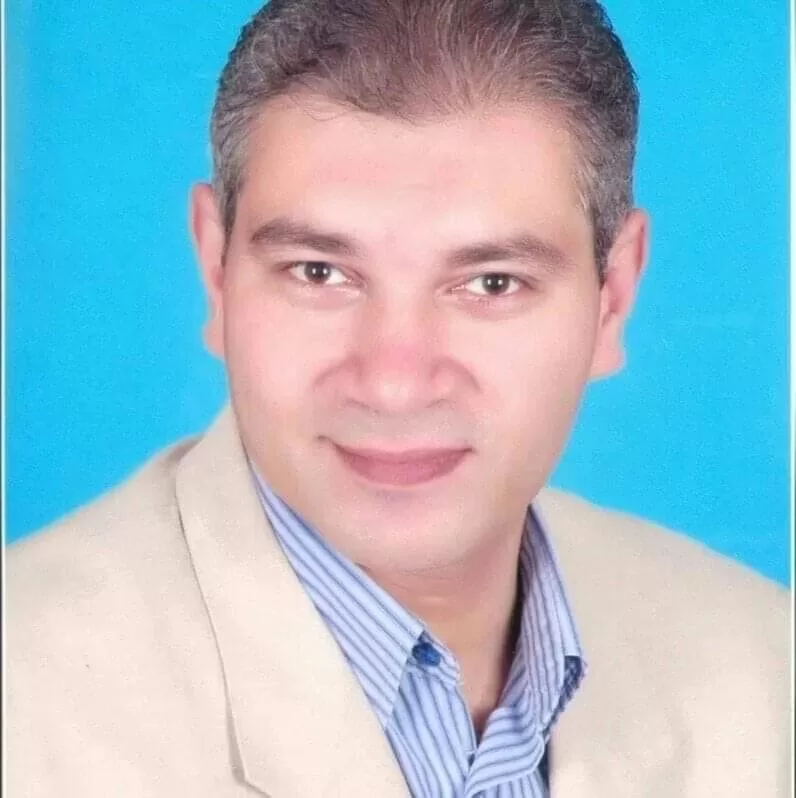
Dr Ashraf Abul Saud

The concept of “creative chaos” (also called constructive chaos or creative destruction) has long been linked to US foreign policy in the Middle East, particularly during the George W. Bush era.

Neoconservative scholar Michael Ledeen, affiliated with the American Enterprise Institute, popularised ideas of “creative destruction” as a core American trait, tearing down old orders to foster renewal and advance democratic ideals.

In writings from the early 2000s, Ledeen described the US as a revolutionary force that naturally engages in such processes, both domestically and abroad, to counter tyrannies and promote change.

This thinking influenced broader neoconservative strategies post-9/11, including the push for regime change and regional transformation.

The Bush administration’s “Greater Middle East Initiative” (launched around 2004) aimed at promoting democracy, economic reform, and political liberalisation across the region, from Morocco to Pakistan.

It built on the post-9/11 “forward strategy of freedom,” framing US interventions as necessary to combat terrorism, spread human rights, and eliminate weapons of mass destruction.

Critics, however, interpret these policies as deliberate “creative chaos”, using instability as a tool to reshape the region in ways that serve American (and allied) interests, such as securing energy resources, supporting Israel, and weakening adversarial regimes.

The 2003 Iraq invasion exemplified this approach, toppling Saddam Hussein, then dealing with the ensuing sectarian and ethnic divisions (e.g., empowering Kurdish autonomy while fuelling Sunni-Shiite tensions).

Similar dynamics appeared in Sudan’s division into North and South (2011), Somalia’s fragmentation since 1991, and Lebanon’s prolonged civil strife (1975–1990), where prolonged insecurity allegedly created dependency on external support.

Proponents of this view argue that US actions exploit ethnic, sectarian, and tribal fractures to prevent unified opposition, disrupt economies through capital flight and institutional collapse, and use media to shape public perceptions.

Bush’s post-9/11 declaration – “Whoever is not with us is against us” – helped garner international legitimacy for interventions, even as they bypassed sovereignty norms.

The underlying rationale, per critics, views the Middle East as a resource-rich, but mismanaged region whose inhabitants fail to harness its potential.

Chaos becomes a means to dismantle resistant structures and install more compliant orders, ensuring long-term US dominance.

However, this narrative remains contested. Ledeen clarified that his “creative destruction” comments referred to societal innovation, not military devastation, and official US policy emphasized democratisation, not engineered anarchy.

The Greater Middle East project sought genuine reform amid real threats, though outcomes often bred instability.

Ultimately, US Middle East strategy blends idealism (democracy promotion) with realism (power projection).

Whether “creative chaos” is an intentional doctrine or an unintended consequence, it highlights how Washington navigates a volatile region: through selective intervention, alliances, and adaptation to shifting threats, often at high human and regional cost.

Dr Ashraf Abul Saud

is a writer and an international 

relations scholar.

Tags: foreign policyMiddle EastUS
ADVERTISEMENT
egyptian-gazette-logo

The Egyptian Gazette is the oldest English-language daily newspaper in the Middle East.
It was first published on January 26, 1880 and it is part of El Tahrir Printing and Publishing House.

Follow Us

Gazette Notifications

Would you like to receive notifications on our latest news ?

  • Advertise
  • Privacy & Policy
  • Contact

Copyrights for © Egyptian Gazette - Administered by Digital Transformation Management.

Welcome Back!

Login to your account below

Forgotten Password?

Retrieve your password

Please enter your username or email address to reset your password.

Log In
No Result
View All Result
  • HOME
  • EGYPT
    • Local
    • Features
  • World
    • National Day
  • Technology
  • BUSINESS
    • Real Estate
    • Automotive
  • SPORTS
  • ENTERTAINMENT
    • Arts
    • Health
    • Lifestyle
    • Travel
  • Skyward
    • Snippets from EgyptAir history
  • MORE
    • Multimedia
      • Video
      • Podcast
      • Gallery
    • OP-ED

Copyrights for © Egyptian Gazette - Administered by Digital Transformation Management.

This website uses cookies. By continuing to use this website you are giving consent to cookies being used. Visit our Privacy and Cookie Policy.
