


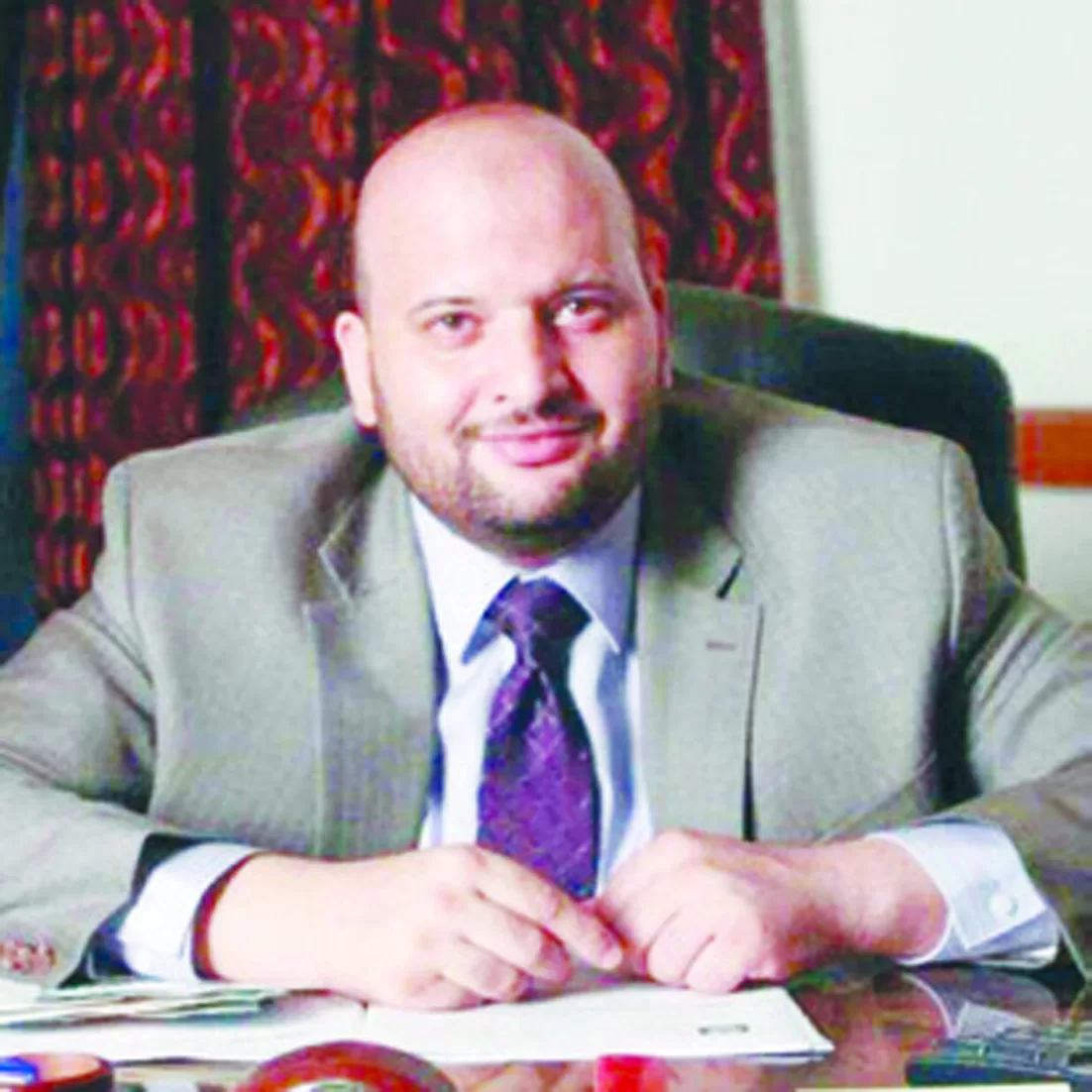
By Dr Ibrahim Negm
Senior advisor to the Grand Mufti of Egypt
In Gaza, winter is no longer a season. It has become an added emergency placed on top of a human one. Rain does not merely inconvenience. It floods fragile shelters, spoils food, and turns already unsafe ground into cold mud and contamination. When a displaced family cannot keep a child warm through the night, it is a warning that survival has been reduced to bare chance.
The UN’s International Organisation for Migration has warned that nearly 795,000 displaced people are at heightened risk of dangerous flooding, many living in low-lying areas filled with rubble. Recent torrential rains have flooded large numbers of tents, and local health officials reported the death of a baby girl due to exposure. Critical materials to reinforce shelters, such as timber, sandbags and pumps, remain delayed from entering Gaza under access restrictions.
Winter misery is not only about wet blankets. It is the breakdown of minimum safety. OCHA has described displacement sites that lack drainage and flood-mitigation measures, leaving evacuation as a last resort once rain sets in. As of 10 December, OCHA reported that 1.28 million people remained in need of urgent shelter assistance, while fewer than 50,000 tents had entered Gaza. At the current pace, existing efforts cannot meet the scale of need.
When shelter fails, health fails. UNICEF has warned that winter weather accelerates disease transmission and increases the risk of death among the most vulnerable children. In October, nutrition screenings by UNICEF and partners identified almost 9,300 children under five with acute malnutrition. UNICEF also found that two in three young children had eaten two or fewer food groups out of the recommended eight in the preceding week. Cold increases the body’s energy needs, so malnutrition and exposure reinforce each other. A child who is undernourished is more vulnerable to infection and hypothermia. Illness then reduces appetite and absorption, and families cannot maintain warmth without proper shelter and fuel.
The health system is in no position to absorb another surge. WHO has reported that acute watery diarrhoea and acute respiratory infections accounted for 17.5 percent of all consultations in Gaza as of October 2025, and that only 18 of Gaza’s 36 hospitals were functional, all partially. The World Food Programme has also described how rains can drive sewage into living areas and how gaps in water and sanitation worsen the impact of storms.
What should follow is practical, not rhetorical. Winterisation is life-saving assistance. Timber, pumps, waterproofing, fuel, and medical supplies are the minimum tools needed to keep families alive through storms. International humanitarian law is equally direct. Parties to conflict must allow and facilitate rapid and unimpeded passage of humanitarian relief for civilians in need.
Faith adds clarity without replacing law. The Qur’an teaches that saving a single life is as if one has saved all humanity. This principle should guide all who hold power, on every side, when they decide whether aid moves or stalls.
There is a responsibility on voices, not only on borders. Religious leaders, educators, and media professionals in our region should refuse the language that turns families into numbers or into enemies by default. Winter does not choose sides, and cold water does not discriminate. A sober public discourse protects humanitarian work and protects the possibility of a political solution, because it keeps the idea of shared human dignity alive.
The urgent agenda is straightforward. For Egypt, this is not a distant headline. It is at our border, and it shapes our region. Increase and speed the entry of shelter and winter items. Enable flood-mitigation work, including drainage clearance and safe sanitation. Protect and fuel medical facilities, and expand medical evacuations through all available routes. Move, as quickly as possible, from tents to safer and more durable shelter. These steps do not settle the political question, but they prevent rain and cold from deciding who lives long enough to see a political horizon

