





As it prepares for its 10th International Conference, to be held under the umbrella of the General Secretariat for Fatwa Authorities Worldwide, Egypt’s Dar Al-Ifta is not just marking a milestone—it is championing a legal and theological principle that lies at the heart of Islamic jurisprudence: “Fatwa changes with the change of time, place, people, and circumstances.”
This maxim, articulated by classical scholars such as Imam al-Qarafi and Ibn al-Qayyim, affirms a central truth of the Islamic tradition—while the sacred sources remain unchanged, the application of their rulings must respond to the evolving realities of those seeking guidance. Today, this responsiveness is not a theoretical ideal; it is a lived necessity for millions of Muslims navigating unprecedented personal, social, and legal terrains.
Launched in June 2022, FatwaPro is a smart mobile application that enables Muslims—particularly those living in non-Muslim-majority societies—to receive authoritative and context-sensitive fatwas from qualified scholars. With a clean interface, multilingual accessibility, and a focus on real-world concerns, the app reflects a bold reimagining of how Islamic legal advice is delivered.
Historically, the process of seeking a fatwa was rooted in direct personal contact between the mufti and the questioner, typically within a shared cultural and legal framework. Questions were local, social norms were familiar, and the answers were usually tailored to a relatively homogenous context.
Today, that landscape has dramatically changed. The rise of globalization, international migration, and virtual communication means that Muslims are now asking questions from vastly different contexts. The complexity of these environments demands more than textual familiarity—it requires an ability to understand divergent worldviews, navigate local legal frameworks, and offer spiritually grounded yet practically viable solutions.
One of the primary goals of this year’s conference is to explore how digital tools can serve timeless values, especially in the field of religious consultation. The FatwaPro app stands as a case study in how tradition and innovation are not opposites but allies.
Real Questions, Real Lives
More than 60% of recent inquiries through the app pertain to family matters—marriage, divorce, parenting, gender roles—indicating the highly personal and often emotionally charged nature of the issues at hand. These are not abstract questions; they are reflections of lived tension: how to raise children with Islamic values in secular societies, how to manage interfaith family dynamics, or how to interpret religious obligations in pluralistic legal systems.
In this way, the app does more than answer questions—it accompanies people on their journeys of faith. As the Prophet (peace be upon him) taught, “Make things easy and do not make them difficult; give glad tidings and do not repel people” (Sahih al-Bukhari and Muslim). FatwaPro embodies this Prophetic ethic, offering guidance that is rigorous yet compassionate, rooted yet relevant.
A Human-Centered Vision
At its core, FatwaPro is part of a broader vision for a human-centered, digitally enabled fatwa culture—one that speaks to people’s doubts without judgment, honors diversity within Islamic norms, and restores confidence in the relevance of religious scholarship. In doing so, it revitalizes a core role of the mufti: not only to issue legal rulings, but to provide moral companionship, spiritual insight, and community reassurance.
This year’s conference is expected to convene scholars, tech experts, community leaders, and government representatives from across the Muslim world to discuss how to advance this model further—by integrating AI responsibly, improving digital literacy among religious leaders, and reinforcing collaborative frameworks between fatwa authorities worldwide.
Egypt’s Dar al-Ifta has shown that when Islamic scholarship is grounded in tradition and guided by reason, it can travel across borders, languages, and worldviews—not only surviving the pressures of modern life but actively shaping its moral landscape.
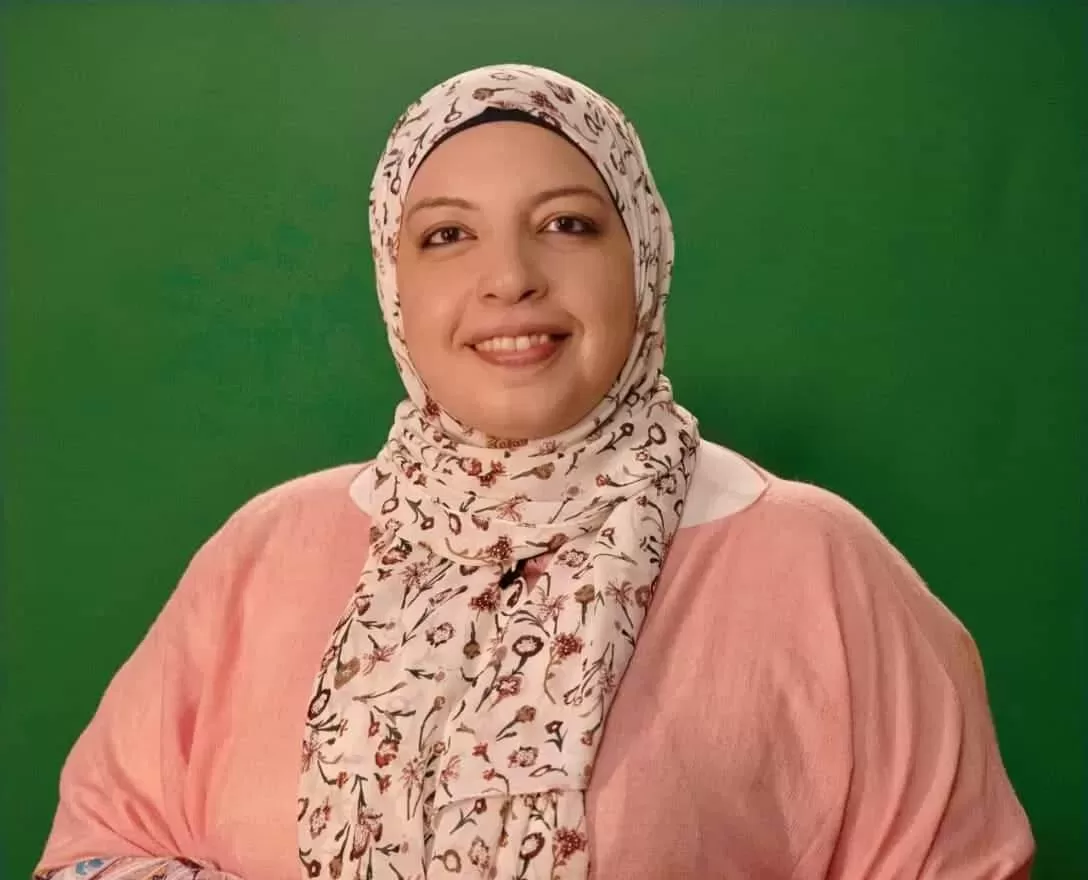
Dr. Heba Salah
Senior Researcher & Interpreter

