


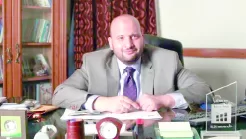
Ibrahim Negm
Senior Advisor to the Grand Mufti of Egypt
In recent weeks, Egyptians living abroad have shown inspiring patriotism and unity by standing up for Egypt’s cause on the world stage. From New York to The Hague and Milan, they have pushed back against misleading campaigns that seek to tarnish Egypt’s image amid the turmoil in Gaza. Rather than allowing their homeland to be unfairly maligned, these expatriate Egyptians have become the frontline defenders of their nation’s honour overseas. Their actions underscore a simple truth: every Egyptian abroad carries a piece of Egypt with them, and many are determined to protect it.
Egyptians abroad have literally stood guard to defend their country’s dignity. In The Hague, for example, members of the Egyptian community held a peaceful rally in front of the embassy – with permission from Dutch authorities – to reaffirm their unwavering support for Egypt and President Abdel Fattah El Sisi. Similarly, in Milan, dozens of expats gathered under the banner “Watanak Amanah” (“Your Nation Is Your Responsibility”) to voice full support for Egypt’s leadership and reject any attempts to undermine the country’s stability. At these rallies, patriotic Egyptians made it clear that their embassies and consulates abroad are like a second home – symbols of national sovereignty that they will not allow to be attacked. As one statement from the community put it, any attack on an Egyptian embassy “constitutes an attack on Egypt itself”.
These displays of loyalty were not merely symbolic. In some cases, Egyptians abroad physically intervened to protect their homeland’s honour. Earlier in August, an Egyptian national even filmed himself “guarding” the embassy in The Hague – standing at the gates to shield it from fellow protesters who were railing against Egypt’s Gaza policies. “I will protect my embassy,” he declared, facing off against demonstrators across the street. Such courage embodies what Egypt’s Prime Minister recently told an expat conference in Cairo: that each Egyptian abroad is an ambassador for Egypt, carrying the nation’s values and truths to foreign lands. Indeed, our diaspora can be considered an essential extension of the nation itself, showcasing Egyptian resilience and speaking up for the homeland when it matters most.
The backdrop to these patriotic rallies has been a wave of anti-Egypt demonstrations outside Egyptian embassies in various countries. These protests, which erupted in July across more than 16 capitals, claim to champion the people of Gaza – but their aims are deeply misguided. Protesters have accused Cairo of complicity in the humanitarian crisis in Gaza, even as they acknowledge that Israel’s siege is what created the dire conditions in the first place. Under slogans like “End complicity, open the border,” activists chained shut embassy gates, spray-painted walls, and even banged pots to dramatise what they called famine in Gaza. Their demand has been for Egypt to immediately open the Rafah crossing and let aid pour through – implying that Egypt alone holds the keys to Gaza’s salvation.
What these agitators ignore is that the true culprits behind Gaza’s tragedy are those who inflicted the siege and war on its people. By the protesters’ own admission, the Israeli army has been “using hunger as a weapon” against Gaza’s civilians, with dozens of people (including children) dying from malnutrition due to the blockade. It is Israel that sealed off all other crossings into Gaza years ago and, during the recent conflict, even closed the Gaza side of Rafah after occupying it, effectively stranding aid convoys at the border. As one Palestinian official put it, “Egypt does everything possible to increase the amounts of aid entering Gaza, but it is the Israelis who are preventing the entry of this aid.” Cairo has established a major logistics hub in North Sinai to channel international relief supplies toward Gaza , and it maintains that its side of the Rafah crossing is open for aid at all times. The unfortunate reality is that aid stops where Israeli control begins.
Knowing this, one must question: What purpose do the anti-Egypt protests really serve? By pinning the blame on Egypt for Gaza’s suffering, these demonstrations risk letting the real perpetrators off the hook. Rather than pressuring the occupiers who have bombarded Gaza and choked its lifelines, the protesters target the one Arab nation facilitating what aid can get through. The ill intent becomes apparent when we consider who benefits from exonerating Israel and sowing division between Egypt and the Palestinian cause. As Egyptian expats in Europe noted, such provocative attacks on our embassies “do not represent the Egyptian diaspora, but rather serve known external agendas.” They bear the fingerprints of the same extremist and opportunist groups that have long sought to manipulate our communities abroad with misinformation and ideological agendas. By distorting Egypt’s image and alienating younger expatriates from their roots, these groups hope to weaken Egypt’s unity and deflect scrutiny from those truly responsible for the crisis in Gaza.
The recent mobilisation of patriotic Egyptians abroad is a wake-up call and an opportunity. It reminds us that Egypt’s global family is a vital national asset – one that we must actively reconnect with and support. We cannot take for granted that future generations born and raised abroad will automatically feel the same devotion to their homeland. Many second – and third-generation Egyptians grapple with a diluted sense of identity, influenced by foreign media narratives that often reduce Egypt to political turmoil or crisis. These youths may never have experienced the warmth of a Cairo street or the pride of our ancient heritage except through a skewed lens. Unless we bridge this gap, we risk losing them to apathy or, worse, to hostile propaganda.
It is imperative that we carve out a comprehensive strategy to engage our expats and nurture their Egyptian identity. Such a strategy, as experts have suggested, should help diaspora youth delve into Egypt’s remarkable history, vibrant culture, and rich religious fabric, giving them tools to understand and embrace their heritage with pride. Practical steps could include expanded Arabic language programmes, cultural exchanges, and youth trips to Egypt that let them form real connections with their ancestral land. The Egyptian government has already begun moving in this direction – for example, by hosting annual “Egyptians Abroad” conferences and launching initiatives to make expats feel more included in national life. Prime Minister Moustafa Madbouli recently affirmed that Egyptians overseas are treated with the same care and importance as those at home, calling on them to take pride in representing their country and share Egypt’s true story with the world. This kind of high-level support needs to be matched with grassroots outreach: mentorship networks, diaspora youth clubs, and digital platforms that connect expats to Egyptian news and community projects could all foster a stronger bond.
Ultimately, strengthening our ties with the diaspora is not just about instilling nostalgia – it is about enlisting them in Egypt’s present and future. The Egyptian expats who defended their embassies against unfair attacks exemplify how connected and empowered diaspora members can counter false narratives on the international stage. They are our first line of defence in global public opinion, our informal ambassadors in every city they reside in. We should encourage and equip more of them to play this role. As Egyptians, we all share the responsibility of safeguarding our nation’s image and interests, no matter where we live. In the words of a recent call to action, expatriates should celebrate their heritage and contribute to the global appreciation of Egypt’s legacy, building a bridge between past and present. By reaching out to our brothers and sisters abroad and reaffirming that “Your Nation Is Your Responsibility,” we ensure that the spirit of Egypt continues to thrive in every corner of the globe – defended and upheld by Egyptians united in purpose, at home and overseas.

