



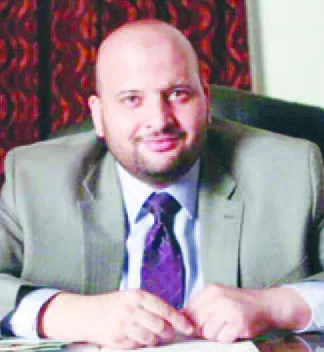
Ibrahim Negm
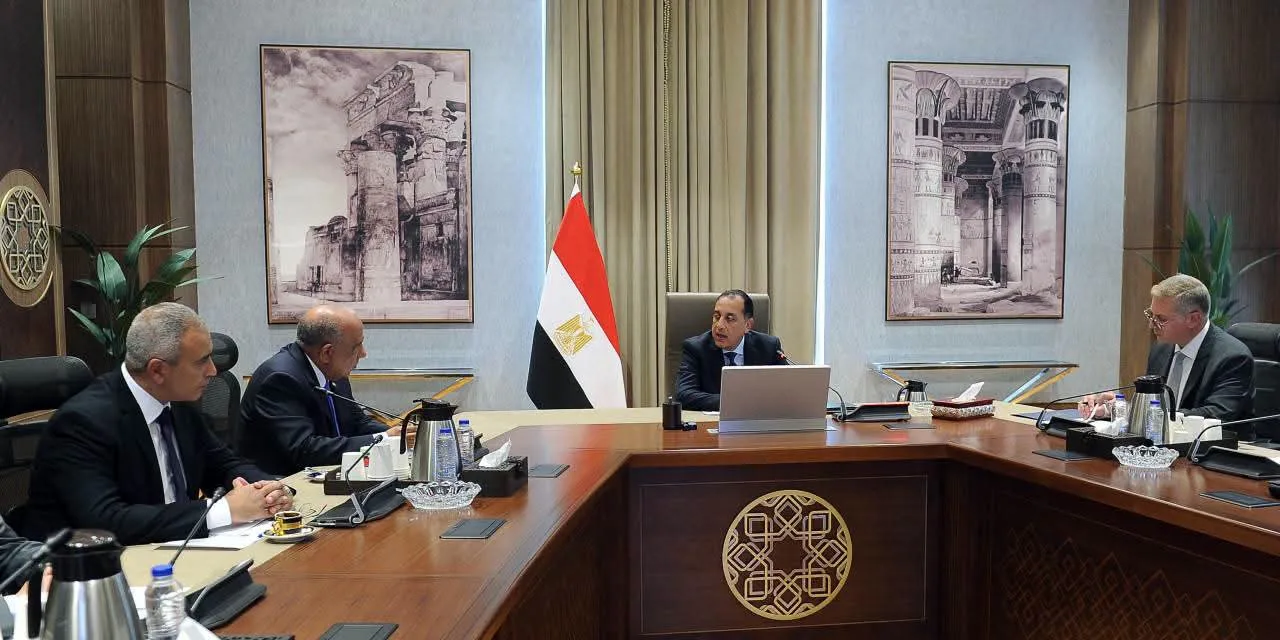
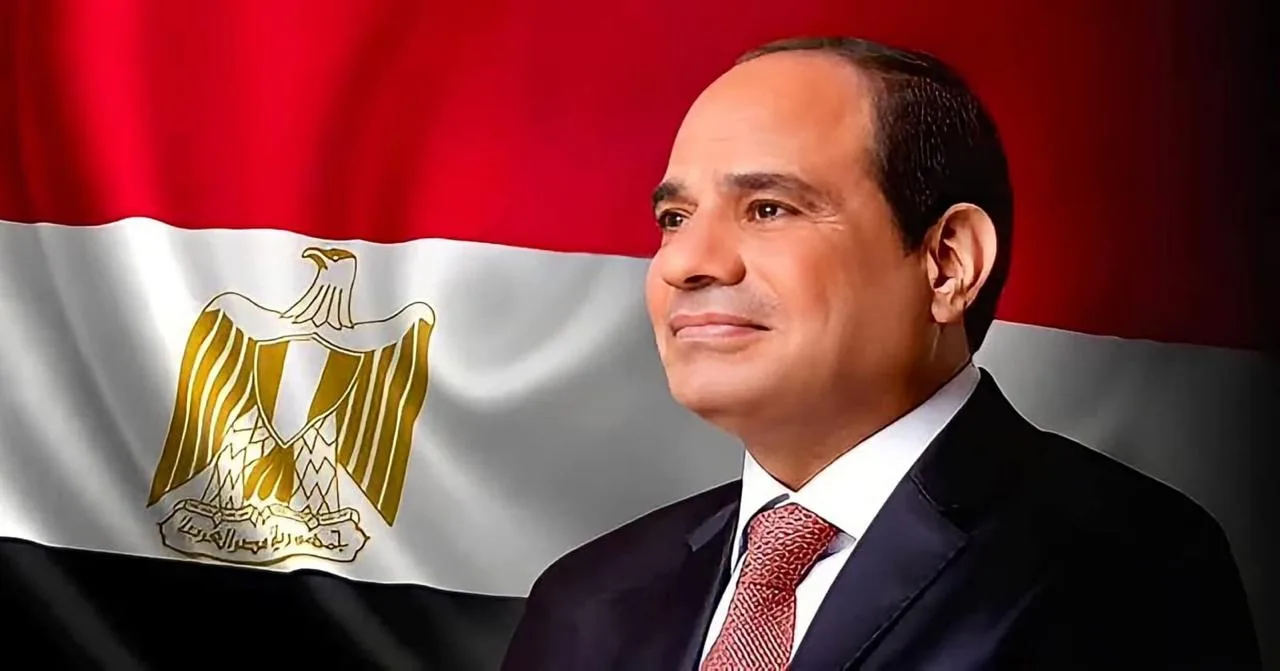
In a recent meeting with the Minister of Higher Education, President Abdel Fattah El Sisi did something important: he moved the conversation about foreign students from the level of technical detail to the level of national strategy. The message was clear enough: Egypt must become a serious destination for international higher education, not just for a few thousand students from neighbouring countries, but for hundreds of thousands from across Africa, Asia and beyond.
This is not a luxury project. It is a strategic wager in which economics, soft power and national identity are tightly intertwined.
Today, international higher education is one of the fastest‑growing service industries in the world, with millions of students crossing borders every year and tens of billions of dollars flowing with them. At a time when our region is hungry for hard currency and sustainable, knowledge‑based income, turning Egypt into a hub for “educational tourism” is not a marginal idea; it is a potential pillar of the new Egyptian economy.
The foreign student is not just a seat filled in a lecture hall. He or she is an entire micro‑economy: tuition fees paid in foreign currency, rent in the local housing market, daily spending on food, transport and leisure, and often family visits that feed into the tourism sector. Countries that understood this early – from the United States and Britain to Australia and Malaysia – now treat international students as a strategic export, and plan accordingly.
But the economic argument, strong as it is, is only part of the story. For a century at least, Cairo, Al‑Azhar and Egyptian universities were a magnet for generations of Arab and African elites. Graduates of our institutions went on to become ministers, judges, authors and opinion‑makers across the region. This is the essence of soft power: a young man or woman who spends four years in Egypt does not leave with a certificate only, but with an emotional and cultural attachment that no embassy campaign can buy.
The good news is that we are not starting from scratch. Egypt already hosts tens of thousands of foreign students, and some of our universities are steadily improving their positions in global rankings. We have a unique ecosystem of international branch campuses – German, British, French, Canadian and others – offering dual degrees at a fraction of the cost of studying in Europe. Our cost of living is still, despite inflation, considerably lower than that of Western destinations. And above all, we sit on a civilisational treasure house: the pyramids, the Nile, the museums, and the daily texture of Egyptian life, which for many young people is itself a reason to come.
Yet it would be self‑deception to stop there. The gaps are real and cannot be papered over by slogans.
Quality is uneven. A handful of flagship universities are pulling ahead, while others struggle with overcrowded classrooms, outdated labs and thin libraries. Recognition of Egyptian degrees is still not guaranteed in many labour markets, which makes parents and students hesitate. Our language policy is confused: too little English or French in some programmes, and too little serious Arabic teaching for non‑native speakers where we actually have a natural advantage. Add to this a familiar mix of bureaucracy, slow visas, opaque procedures and weak student support services, and the picture becomes clearer.
If we are serious about President Sisi’s call, then the sequence matters. We cannot put marketing ahead of substance. The first condition is a sustained upgrade of quality: clear national standards, transparent internal rankings, and real incentives – financial and reputational – for universities that improve teaching, research and student services. Teachers need support and training, not just pressure, to teach to international standards and in international languages.
Finally, we must treat the foreign student as a guest of the state, not as a file number. One‑stop offices for international students, decent and safe housing, clear and quick residence procedures, basic healthcare and psychological support – these are not luxuries, but minimum conditions if we expect a young person to leave his or her country and trust us with some of the most formative years of life.
The president has thrown the ball into the court of the higher education system. The question now is not whether the goal is worthy – it undeniably is – but whether we have the institutional will to match the ambition with action.
Negm is Senior Advisor to the Grand Mufti of Egypt

