




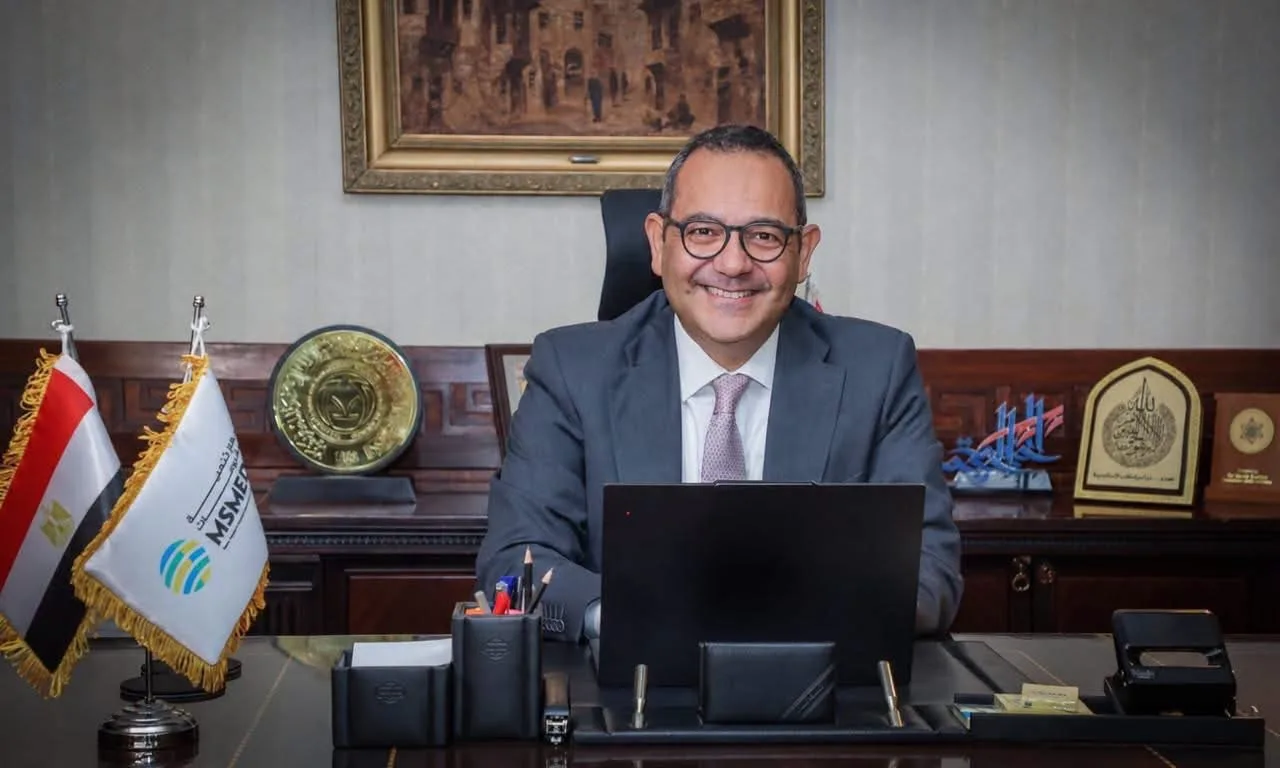





Dr Ashraf Abul Saud
For generations, farmers in developing countries depended on local seeds carefully preserved and passed down through families.
These seeds, shaped by centuries of accumulated knowledge and finely tuned to local climates, supported a rich diversity of crops.
But the arrival of the Green Revolution’s high-yielding varieties changed that.
Thousands of traditional varieties began to disappear, and the cultivation of many longstanding crops declined sharply.
The UN’s Food and Agriculture Organisation has estimated the scale of this loss as one of the largest erosions of agricultural heritage in the 20th century.
Scientific literature often describes it as a profound, long-term strategic setback.
In the Middle East, the Green Revolution carried additional weight. The region was never merely farmland as it sat at the heart of global geopolitical rivalries.
Over decades, the Middle East and North Africa became one of the world’s most food-dependent regions.
Food security across the area grew increasingly tied to volatile global grain markets, energy prices, international supply chains, and the political choices of major food-exporting countries.
Iraq illustrated the darker side of this shift. Before 2003, the country maintained a vital seed bank, especially for wheat, containing nearly all historically known strains.
After the US invasion, the situation deteriorated rapidly. A year later, the American administrator issued a series of executive orders known as the “Hundred Orders”.
Among them was Order 81, which carried the formal title “Patents, Industrial Design, Information Confidentiality, Integrated Circuits, and Crop Diversity”.
Marketed as a measure to protect new plant varieties, it effectively prohibited Iraqi farmers from saving, sharing, or replanting their own seeds.
Instead, they were forced to purchase new seeds, often genetically modified, from foreign companies every year.
This move handed much of Iraq’s food future to powerful agribusiness firms, such as Monsanto and Syngenta, which saw the country as a prime testing ground.
By 2005, Iraq was producing only about 4 per cent of its own seed requirements, unravelling thousands of years of Mesopotamian seed heritage.
Facing this reality, a group of Iraqi scientists salvaged what seeds they could and smuggled them to the International Centre for Agricultural Research in the Dry Areas in Aleppo, Syria, one of the region’s oldest seed banks.
When war later engulfed Syria, the centre’s collection of over 150,000 samples came under threat. Staff evacuated nearly 80 per cent of the seeds to the Svalbard Global Seed Vault in Norway, with other portions moved to Lebanon and Morocco.
In Yemen, once known as the “Happy Yemen”, farmers faced subtler pressures. Traditional seeds were collected and replanted in mismatched environments – Tihama seeds sent to Saada, Al-Jouf seeds moved to Tihama – often resulting in poor yields.
Farmers turned to imported pesticides to save their shrinking harvests. In some areas, thorn seeds were introduced to degrade the soil and suppress wheat growth, further undermining local production.
On July 31, 2025, Israeli forces destroyed the seed propagation unit at a facility in Hebron managed by the Union of Agricultural Labour Committees. It was the only seed bank in the West Bank and had preserved over 70 original local varieties, many of which no longer exist elsewhere in Palestine.
This action fit into a wider pattern that included the destruction of farmland, restricted access to fields, systematic uprooting of olive groves, and the bombing of the “Baladi” seed bank in Gaza’s Al-Qarara neighbourhood, which wiped out stocks of local wheat, spinach, and barley, displacing thousands of farming families.
UN experts have characterised the targeting of seed systems as part of a broader strategy of cultural, environmental, and cognitive erasure aimed at gradually undermining Palestinian presence.
Over 50 years after the Green Revolution began, the discussion has moved beyond yields and averted famines.
The central question now is what happens when control over seeds slips from the hands of farmers and governments into those of a small number of transnational corporations.
It is a question that reaches far beyond agriculture, touching the core of national sovereignty in an era when seeds, like oil, water, and energy, have become strategic tools of influence.
Dr Ashraf Abul Saud is a writer and an international relations scholar.

