


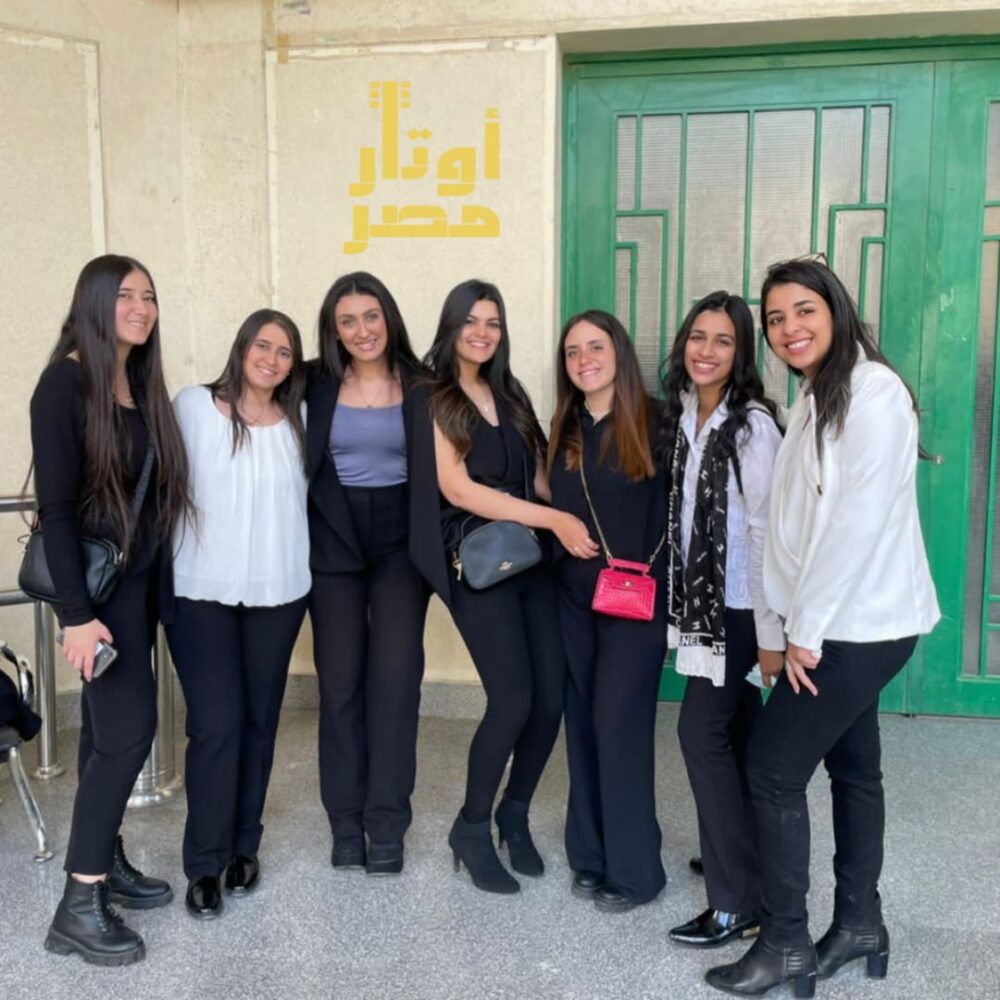
Eight university students have decided to buck a general trend among youth of interest in modern musical traditions.
They will do this by bringing to focus Egyptian musical heritage in their university graduation project.
“We found after much research that most people, especially youth, are interested in listening to modern music,” Farida Hesham, one of the eight students, told the Egyptian Mail.
Hesham and her colleagues, students of Misr International University, are bound together by their love for music.
They capitalise on this love in finalising a project about the history of Egyptian music through the ages, hoping that the project will help them graduate with distinction.
The eight students call the project ‘Chords of Egypt’. It aims to revive Egyptian musical heritage by putting the oldest and most novel Egyptian musical forms in one melting pot.
They started the project by dividing themselves into groups and distributing questionnaires to youth, in which they asked them about old musical instruments, old songs and old singers.
Surprisingly enough, most of the people answering the questionnaires were into modern music only, with little information about old music and old singers.
“This was why we decided to launch a media campaign to craft content that educates youth the evolution of Egyptian music,” Hesham said.
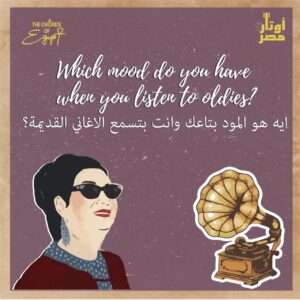
The eight students launched a campaign on different social media platforms, such as Instagram, Facebook and Tiktok, to show up the greatness of old Egyptian music.
Hesham and her colleagues will also mock an online musical festival that will combine ancient music, including one belonging to the ancient Egyptian civilisation, moving to classical music and then all types of modern music.
Hesham said – apart from wanting to graduate with distinction – she and her colleagues want to enlighten people, especially youth, about Egyptian musical heritage and its value.
“The festival will showcase all types of Egyptian music,” Hesham said. “We want to teach people about the history of this music.”
The festival is also expected to contain interactive museums, ones that aim to exhibit the musical heritage of each historical era. The museum will parade different musical instruments. The same event will contain workshops, VR rooms, hologram figures, in one bid by Hesham and the other students to make visitors experience the real atmosphere of a musical festival.
Those visiting the festival will also be able to hear the sound of musical instruments as they touch them virtually.
She said this feature of the festival also aims to simplify music learning.
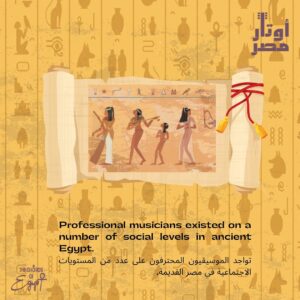
“We want people to know about the different phases of Egyptian music, highlighting the clear distinctions between old and modern music,” Hesham said.
She and her colleagues have rules for the selection of the music that will feature in the festival.
Most importantly, this music has to be popular.
The eight students are also in search of old musical instruments that people can know, even if by sound only.
“We have different musical tastes in all the eras,” Hesham said. “We start by telling people about the origins of each musical genre and how it began in Egypt.”
Hesham and her colleagues dream of holding the festival in reality.
“As students, we need support from the state and sponsors who are be able to make our dream come true,” she said.


Discussion about this post