






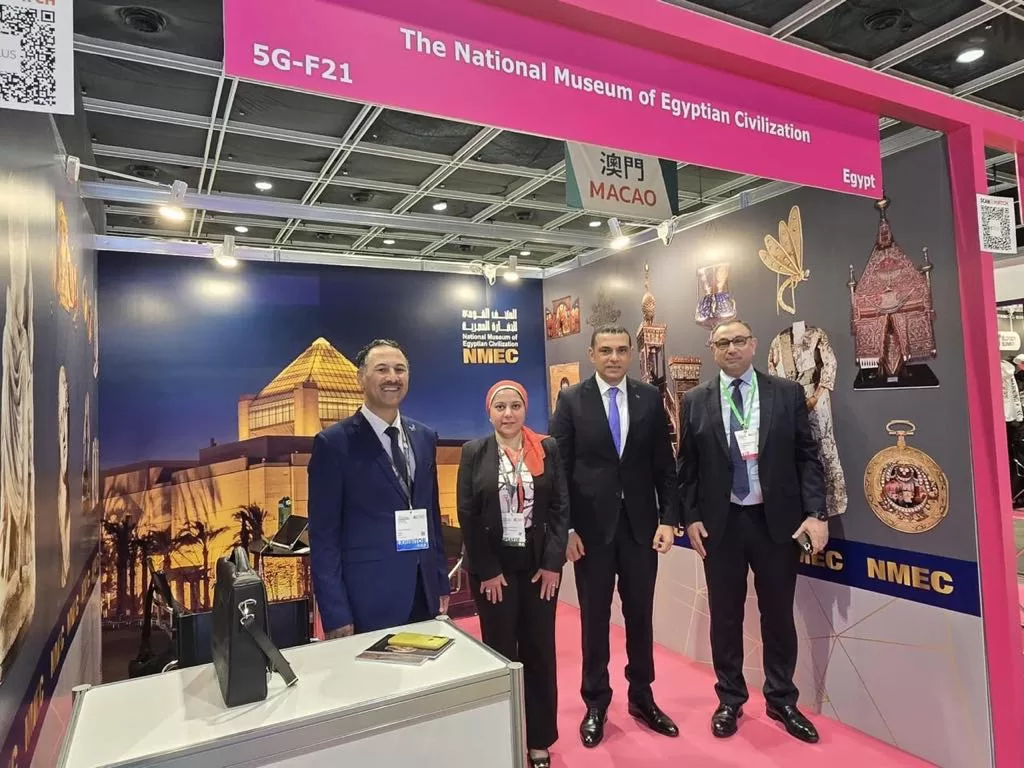
In a remarkable initiative to showcase Egypt’s rich cultural heritage and strengthen its presence in the global creative economy, the Egyptian Museum in Tahrir and the National Museum of Egyptian Civilisation participated, for the first time, in the 14th Asian Licensing Conference. The conference was held alongside the 22nd edition of the Hong Kong International Licensing Show (HKILS) at the renowned Hong Kong Convention and Exhibition Centre, welcoming over 330 exhibitors from across the globe.
Representing a turning point in Egypt’s cultural diplomacy, the museums’ participation highlighted new commercial licensing opportunities for Egyptian artifacts and cultural products. By tapping into the worldwide licensing industry, Egyptian institutions are seeking to support cultural tourism and unlock new revenue streams that benefit both the country’s museums and its vibrant heritage sector.
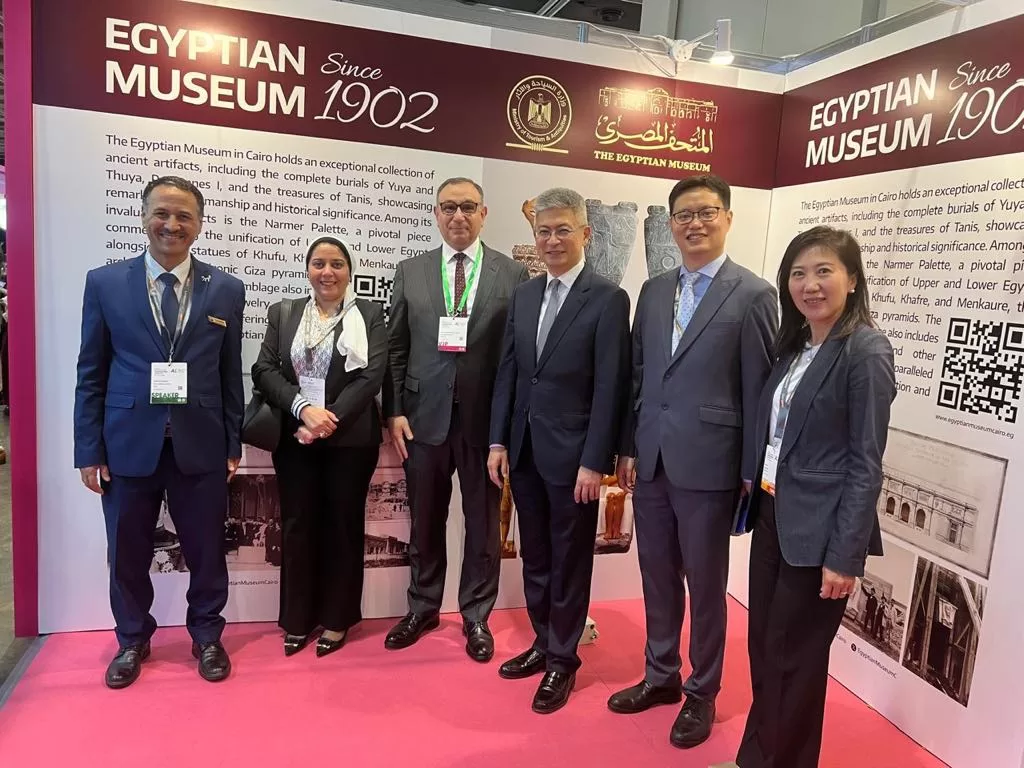
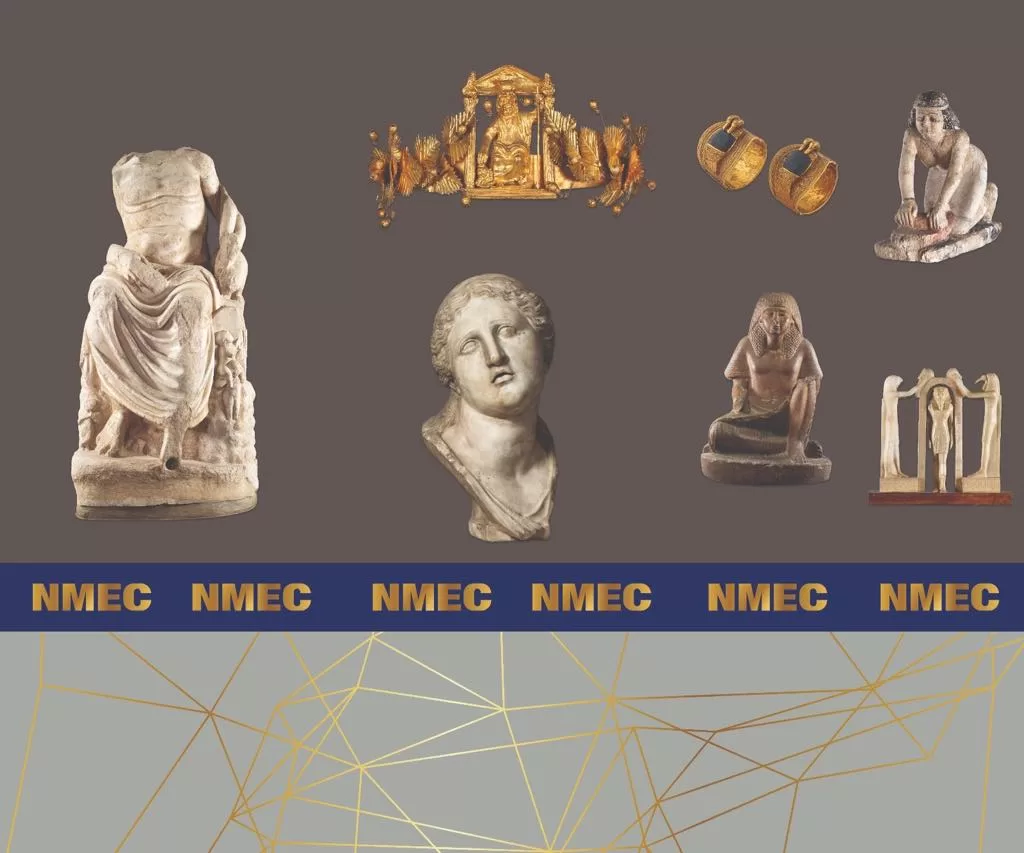
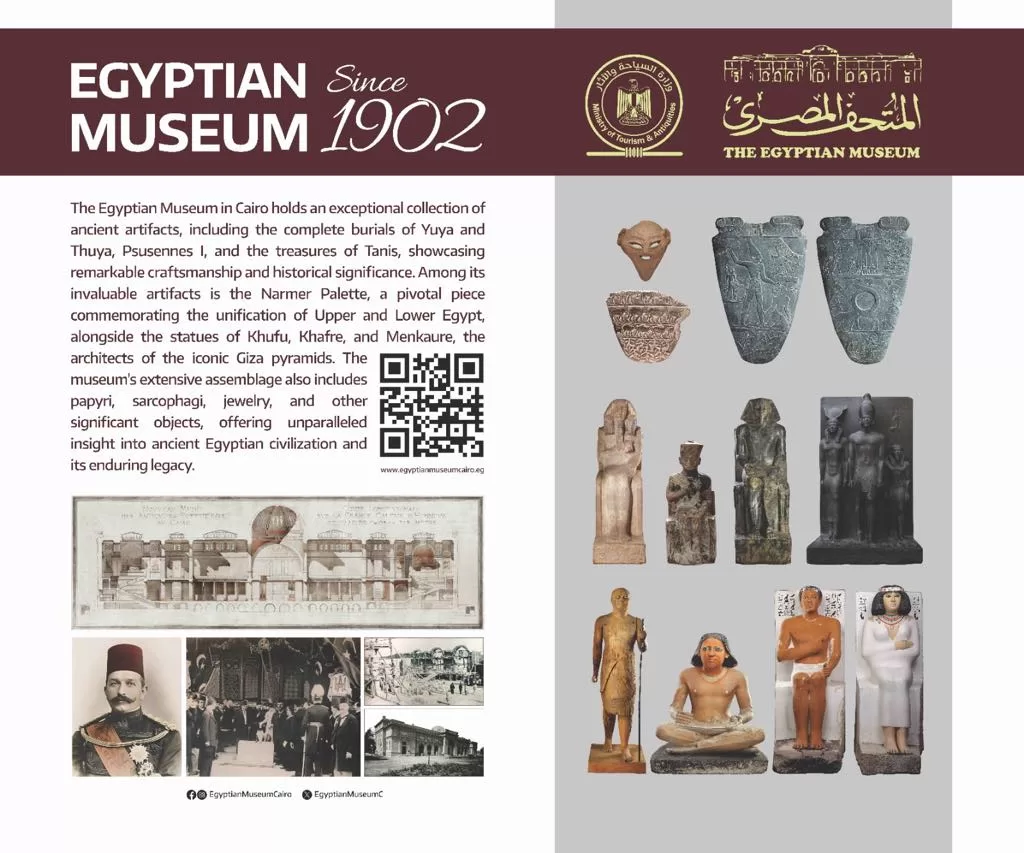
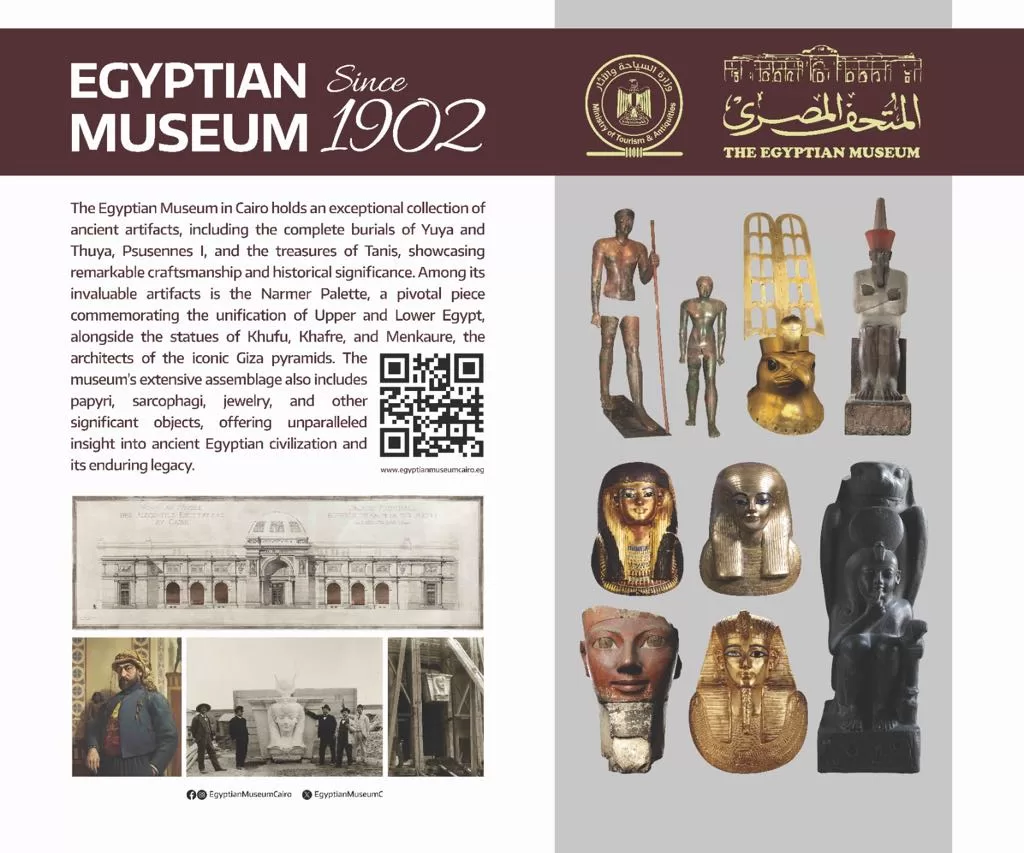
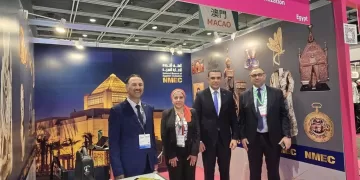
Both the Egyptian Museum and the National Museum of Egyptian Civilisation established dedicated pavilions at the conference, drawing interest with striking visual displays and innovative technology. Visitors were captivated by large posters featuring signature artifacts from the museums’ world-famous collections, complete with interactive QR codes offering instant access to detailed information. These features provided a fresh and engaging promotional approach, helping to bridge history and technology for an international audience.
The Egyptian pavilions became a focal point for representatives from global companies interested in licensing and producing sculptures and products inspired by ancient Egyptian artifacts, according to a statement from the Ministry of Tourism and Antiquities.
These partnerships are poised to bring Egyptian-inspired products to new audiences, leveraging intellectual property in support of cultural preservation and international tourism.
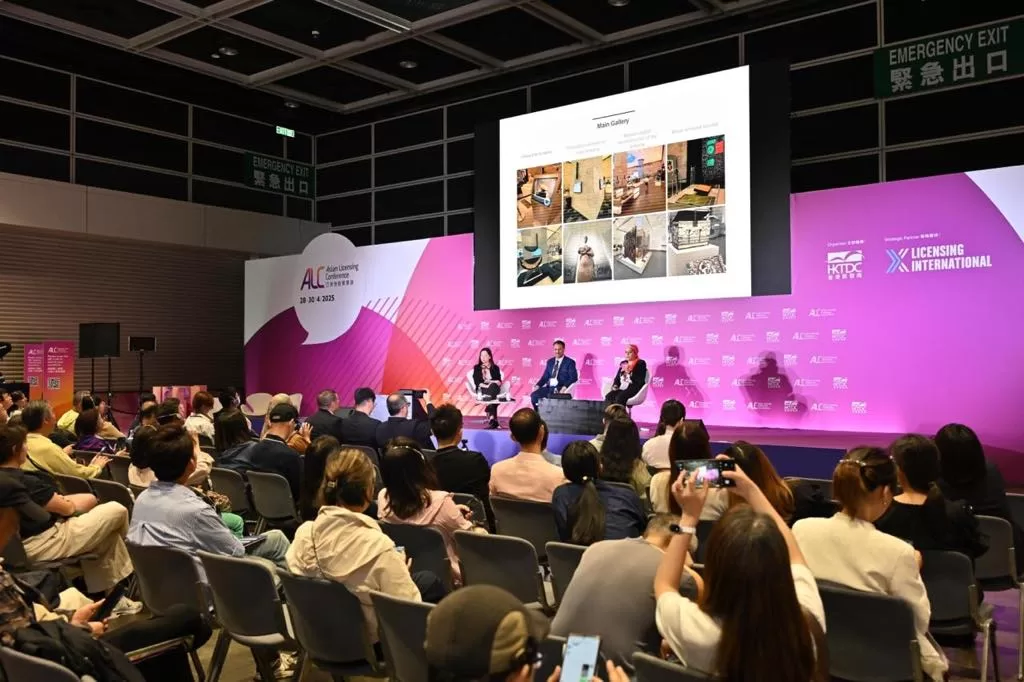
A highlight of the conference was a keynote session titled “Benefiting from the Eternal Magic of Ancient Egypt: Licensing Opportunities with Museums.”
Ali Abdel Halim Ali, Director General of the Egyptian Museum in Tahrir, and Nashwa Gaber, Deputy Executive Director of Archaeological Affairs at the National Museum of Egyptian Civilisation, took part in dynamic panel discussions.
They presented some of the most license-ready museum pieces and discussed innovative ways to transform archaeological models into high-quality commemorative products, initiatives that not only promote Egyptian museums, but also broaden the economic impact of Egyptian heritage.
Panelists emphasised the importance of licensing in sparking creativity and fostering sustainable partnerships between museums and private enterprises. Such collaborations, they said, enrich international marketing opportunities for Egypt’s cultural treasures and strengthen the country’s profile as a destination for cultural tourism. In particular, they noted that authentic products inspired by Egyptian artifacts can engage new audiences and deepen connections with Egyptian civilisation.
Margaret Fong, Executive Director of the Hong Kong Trade Development Council, commended the Egyptian presence at the event, affirming that this year’s conference shines a spotlight on the heritage of both China and Egypt, two of humanity’s most storied civilisations. She underscored how cultural intellectual property can serve as a bridge, fostering new relationships and contemporary cultural experiences.
This landmark Egyptian participation was made possible through close cooperation between the Ministry of Tourism and Antiquities and the Consulate General of Egypt in Hong Kong. Their combined efforts, from seamless logistical planning to steadfast support of the delegation, helped deliver a successful and memorable event.