


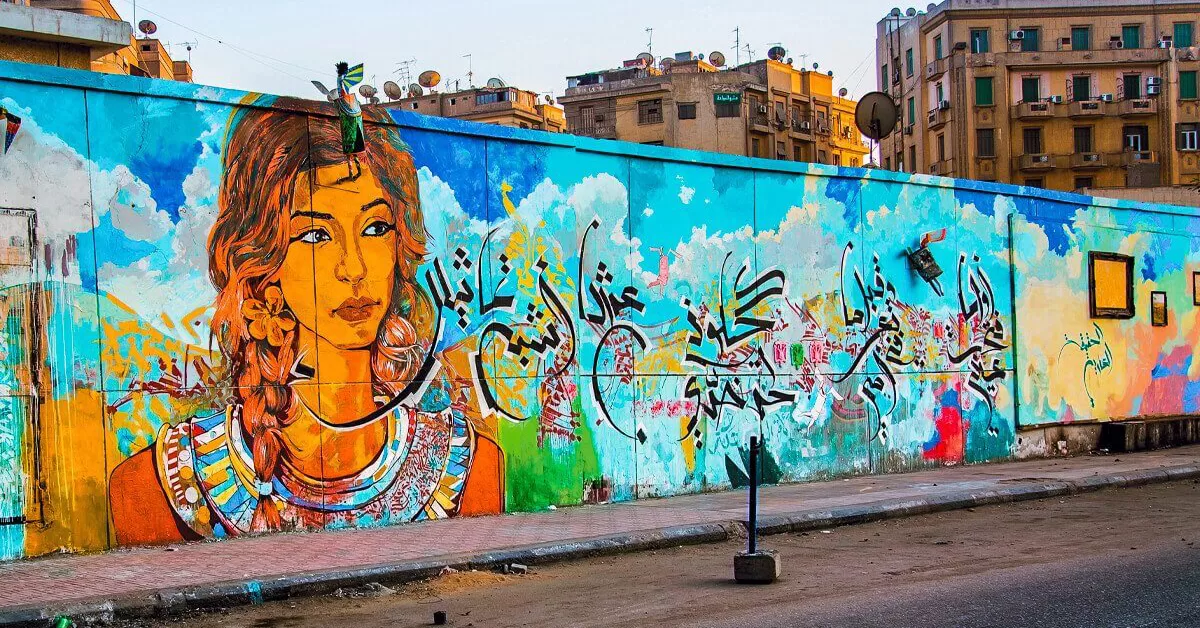
In an age dominated by social media feeds, instant messaging, and algorithm-driven content, it’s easy to assume that traditional visual communication tools have lost their relevance. Yet across Egypt from Cairo’s bustling avenues to Alexandria’s seaside districts posters continue to play a powerful role in public messaging, cultural expression, and community engagement.
Posters are more than simple pieces of paper on a wall. They are visual storytellers. They announce concerts, promote social causes, advertise businesses, and energize political and community campaigns. Their visual impact captures attention instantly, often communicating a message faster than a full article or advertisement ever could.
But today’s poster culture is evolving. With digital design tools and modern printing technology, individuals, businesses, and organizations can now create professional-quality visuals in minutes. The result is a fascinating blend of traditional street-level communication and modern creative technology.
The Enduring Power of Posters
Walk through any busy Egyptian neighborhood and you’ll notice the colorful layers of posters covering walls, bulletin boards, and shop windows. These designs represent everything from university events to cultural festivals and small business promotions.
The reason posters remain so effective lies in their simplicity. They deliver a clear message in a visual format that anyone can understand within seconds. In cities where foot traffic is constant and attention spans are short, that kind of clarity matters.
Modern creators are also benefiting from accessible design platforms that make it easier than ever to create a professional printable poster without needing formal graphic design training. This democratization of design has allowed entrepreneurs, students, and community organizers to communicate their ideas visually with greater impact.
In fact, many young Egyptian creatives now design posters digitally before distributing them both physically and online. A poster might appear on a café wall in downtown Cairo while simultaneously circulating on Instagram or WhatsApp, expanding its reach far beyond a single location.
Posters as Tools for Local Business Growth
For small businesses, posters remain one of the most cost-effective marketing tools available.
Consider a local bakery opening in a neighborhood market. While digital ads can reach large audiences, a well-designed poster placed near bus stops or grocery stores can attract nearby customers who are already in the area and ready to buy.
Restaurants often use posters to promote seasonal menus or special events. Gyms highlight new membership offers. Language schools announce registration periods. In each case, the poster acts as a direct invitation to the surrounding community.
A key advantage of posters is their flexibility. Businesses can quickly update promotions, adjust messaging, or experiment with different visual styles. This agility is particularly valuable for small enterprises operating with limited marketing budgets.
Posters and Cultural Expression
Beyond commerce, posters also hold a special place in Egypt’s cultural landscape.
Art exhibitions, music festivals, and university events frequently rely on visually striking posters to generate excitement and anticipation. Designers often blend modern graphics with traditional Egyptian patterns, typography, and colors, creating visuals that feel both contemporary and culturally rooted.
Street art and poster culture have also intersected in recent years. Some artists use posters as a medium for creative expression, sharing social commentary, poetry, or artistic experimentation in public spaces.
In this way, posters function as both communication tools and cultural artifacts small windows into the artistic energy of a city.
What Makes a Great Poster?
While technology has made poster creation easier, effective design still requires thoughtful planning. Successful posters typically follow a few core principles.
1. Clear messaging
A viewer should understand the main message within seconds. Whether it’s an event announcement or a product promotion, simplicity is essential.
2. Strong visual hierarchy
Important details like the event name, date, or offer should stand out immediately. Strategic use of font sizes and colors helps guide the viewer’s eye.
3. Eye-catching design
Bold colors, high-quality images, and balanced layouts can transform an ordinary poster into something memorable.
4. Strategic placement
Even the most beautifully designed poster won’t succeed if placed where no one sees it. High-traffic areas near universities, cafés, markets, and public transport are often the most effective locations.
The Digital Evolution of a Classic Medium
Perhaps the most interesting aspect of poster culture today is how seamlessly it bridges physical and digital worlds.
A poster might begin as a digital design, get printed for street-level visibility, and then return to the digital space through social media sharing. This cycle allows a single design to reach audiences both offline and online.
For media outlets, educational institutions, and cultural organizations, posters remain a versatile communication channel that complements articles, announcements, and social media campaigns.
Conclusion
Despite rapid technological change, posters continue to thrive as one of the most accessible and impactful forms of visual communication. Their ability to combine creativity, clarity, and public visibility ensures that they remain relevant in cities across Egypt and around the world.
As design tools become more accessible and audiences increasingly appreciate strong visuals, the humble poster is experiencing something of a renaissance. Whether promoting a neighborhood café, announcing a cultural festival, or supporting a social cause, posters still prove that sometimes the simplest forms of communication are the most powerful.

