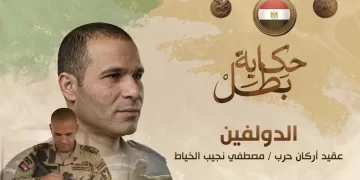





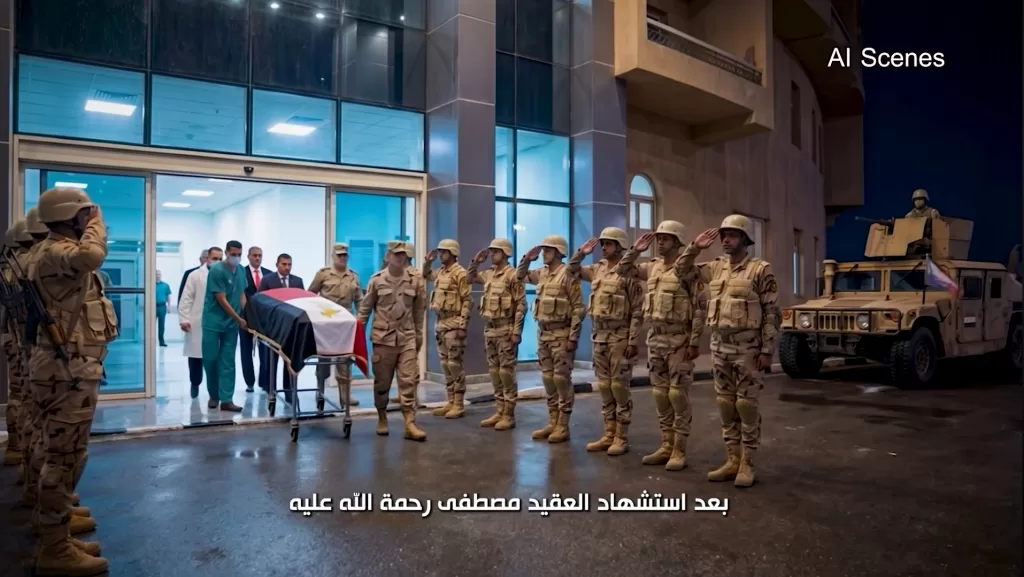
Egypt’s Armed Forces have released a new episode of the documentary series “Hekayat Batal” (A Hero’s Story), chronicling the life and death of Colonel Mostafa Naguib el-Khayat, a decorated special forces commander remembered by comrades as both a fearless fighter and a deeply compassionate leader.
The film, titled “The Dolphin”, was published by military spokesperson Brigadier General Staff Gharib Abdel Hafez as part of an ongoing effort to document the stories of soldiers martyred during Egypt’s counter-terrorists campaign in North Sinai.

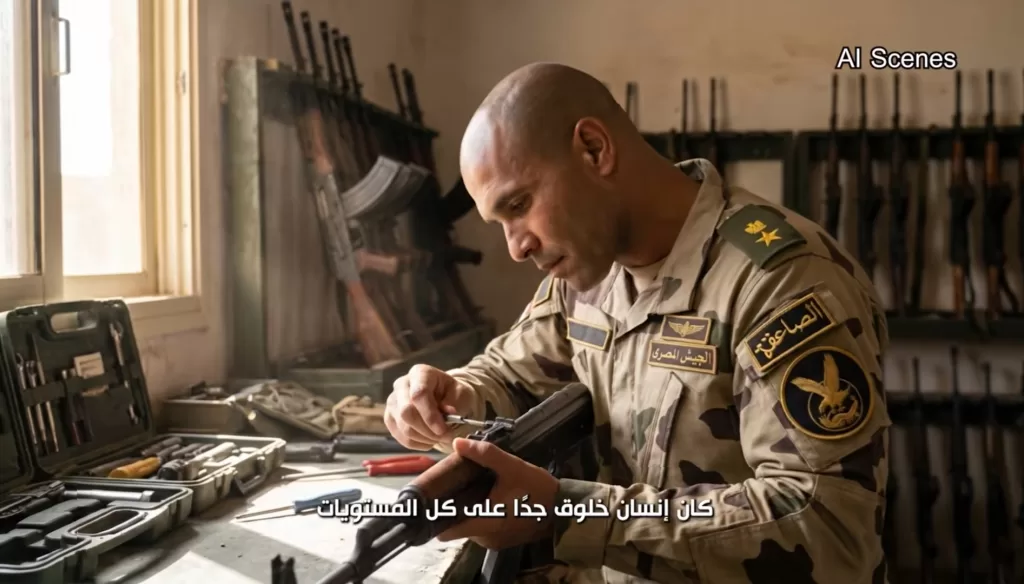
Among fellow officers and troops, El-Khayat was widely known by his nickname “Mostafa Dolphin” — a reference to his exceptional swimming and diving abilities. Colleagues also recall his expertise with weapons and his leadership during complex field operations, qualities that earned him lasting respect inside Egypt’s elite Thunderbolt Forces. But the documentary places equal weight on the man behind the rank.
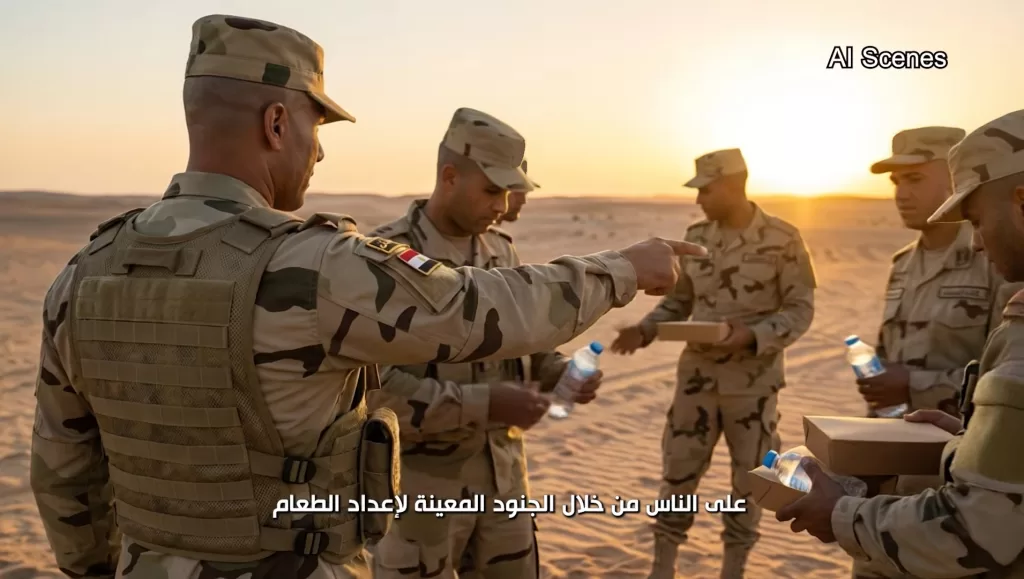
One soldier describes him as “a commander with the heart of a father”, saying he treated members of his battalion as family rather than subordinates. He routinely checked on their welfare himself, shared meals with them, and personally supervised preparations before raids — from distributing supplies to inspecting weapons before deployment. That closeness, comrades say, defined his command style.
Always at the front
The documentary revisits the operation in which El-Khayat was martyred near south-west Sheikh Zuweid.
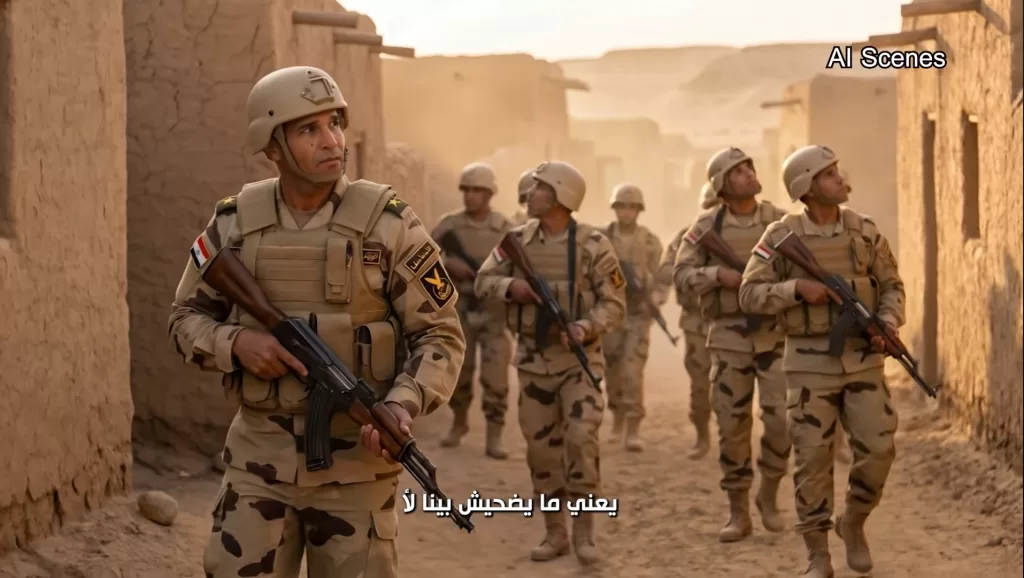
According to testimonies featured in the film, the officer consistently insisted on entering dangerous areas first, unwilling to let younger soldiers face risks alone.
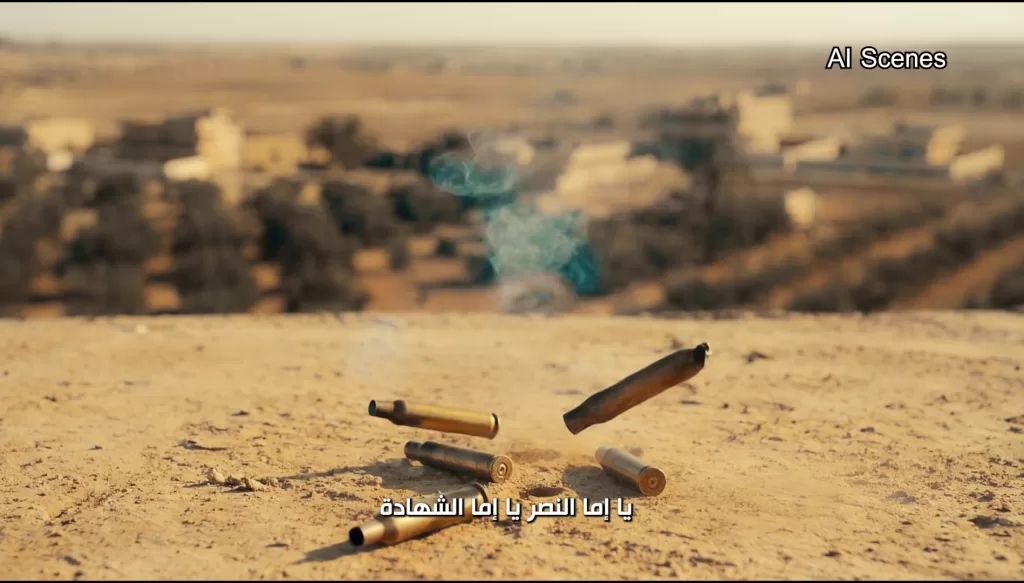
During a raid on a suspected terrorists hideout, El-Khayat personally entered a building to ensure it had been fully cleared. Military engineers successfully dismantled one explosive device inside the property, but as troops continued the search, a second bomb detonated. He was martyred in the blast.
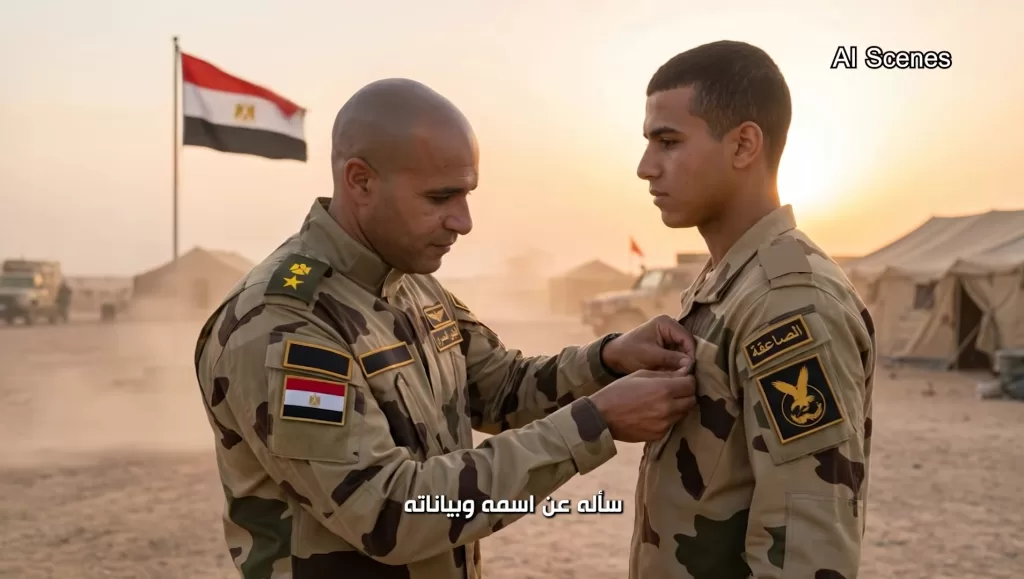
Fellow soldiers stress that, as deputy battalion commander, El-Khayat was not required to participate directly in frontline assaults. Yet he repeatedly chose to remain at the centre of operations, overseeing combat preparations himself and ensuring his men were ready for any sudden confrontation. For many who served under him, his humanity left the deepest mark.
One soldier recalled an emotional moment before a ceremony honouring troops. When another serviceman attempted to complete paperwork himself, El-Khayat interrupted him and said: “Be quiet, Ibrahim. He is my son before he is my soldier. You are all my sons.”
The film closes with a message that Egypt’s fallen servicemen were driven not by personal glory or ambition, but by a belief in duty and sacrifice.
For those who knew Mostafa Naguib El-Khayat, “The Dolphin” is more than a codename. It is a reminder of a commander who chose to stand at the front line until the very end — embodying what the Armed Forces as their enduring creed “victory or martyrdom”.

