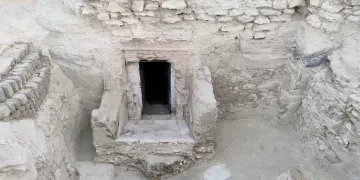




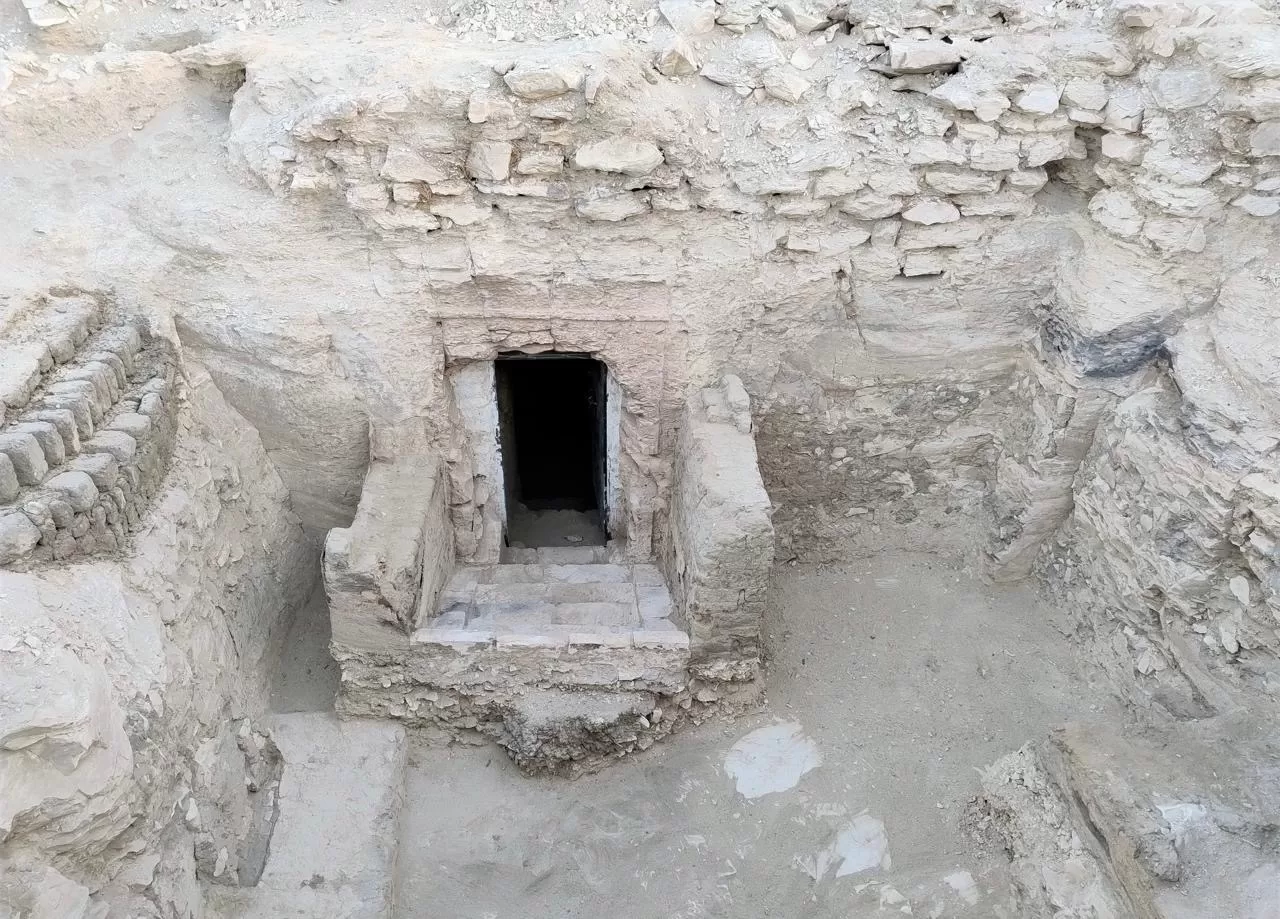
A Dutch archaeological mission working in the ancient Theban necropolis has uncovered a tomb in the lower Sheikh Abdel Qurna area on Luxor’s west bank.
The team, led by Leiden University’s Carina van den Hoven, made the discovery during its current excavation season.
The mission has been conducting fieldwork in the area since 2018, in co-operation with the ministry, as part of a long‑term project focused on preventive conservation, risk management and the first comprehensive archaeological study of the site.
Tourism and Antiquities Minister Sherif Fathy praised the work of foreign and local missions, saying their discoveries continue to reveal new dimensions of ancient Egyptian civilisation and strengthen Egypt’s standing as a global destination.
According to Hisham El-Leithy, secretary-general of the Supreme Council of Antiquities, the newly found tomb lies east of Theban Tomb 45. Initial studies of its inscriptions suggest it belonged to a man named Paser and likely dates to the Ramesside period, based on the artistic style of the reliefs.
El-Leithy said researchers will now work to determine the identities of those buried within and reconstruct their personal histories.
He added that a fuller understanding of the tomb’s historical and archaeological context could shed new light on how the burial landscape of lower Sheikh Abdel Qurna evolved over time.
The tomb’s layout corresponds to typical private burials of the New Kingdom. It features an open courtyard, a T‑shaped rock‑cut chapel and underground burial chambers.
The courtyard preserves several architectural elements in good condition, including a mudbrick mastaba with a central recess for a funerary stela and a stairway flanked by ramps leading into the tomb.
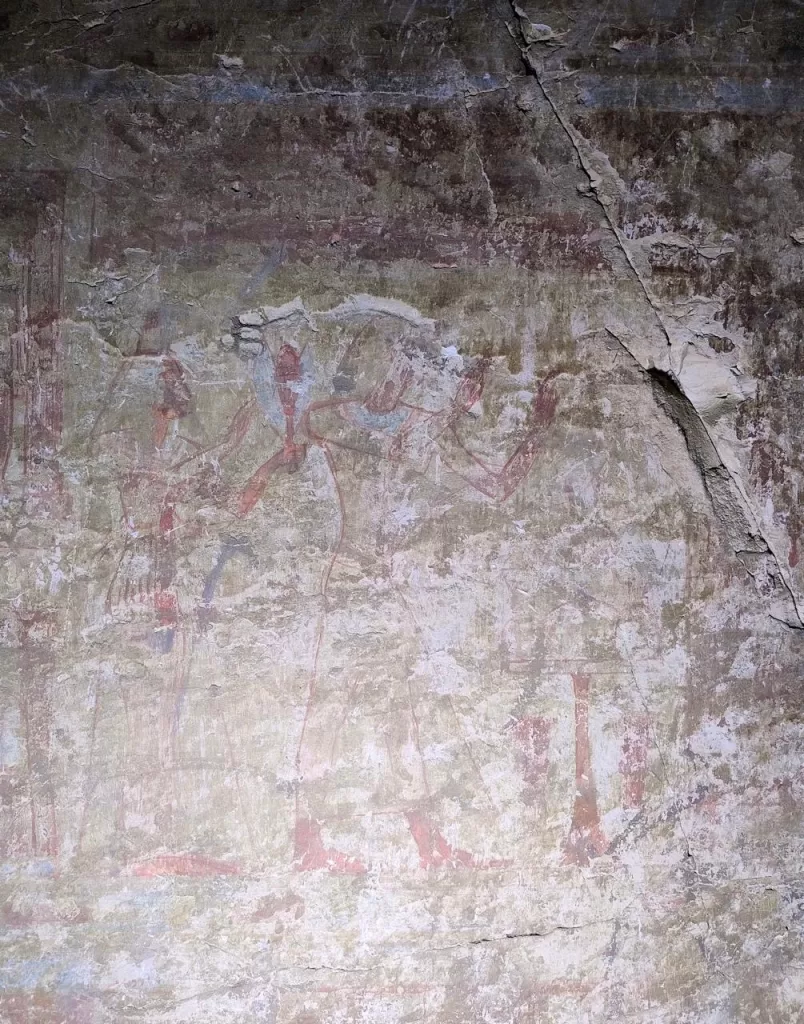
Inside, wall scenes showing Paser’s name remain visible, though some painted decorations lie under a thin layer of dust. Among the surviving images are depictions of Paser worshipping deities in shrines and standing with his wife before an offering table.
The mission plans to begin structural reinforcement and conservation of the painted decorations in upcoming seasons.

