By Dina Yehia
As part of Egypt’s growing commitment to human development and safeguarding future generations from emerging risks, President Abdel Fattah El Sisi has stressed the importance of drawing on the experiences of advanced nations to address contemporary social challenges. Most notably, he has called for protecting children from the unsafe use of mobile phones and modern digital technologies. President El-Sisi also emphasized the necessity of establishing clear regulations and effective mechanisms to ensure that children are raised with a conscious, balanced, and age-appropriate approach to technology.
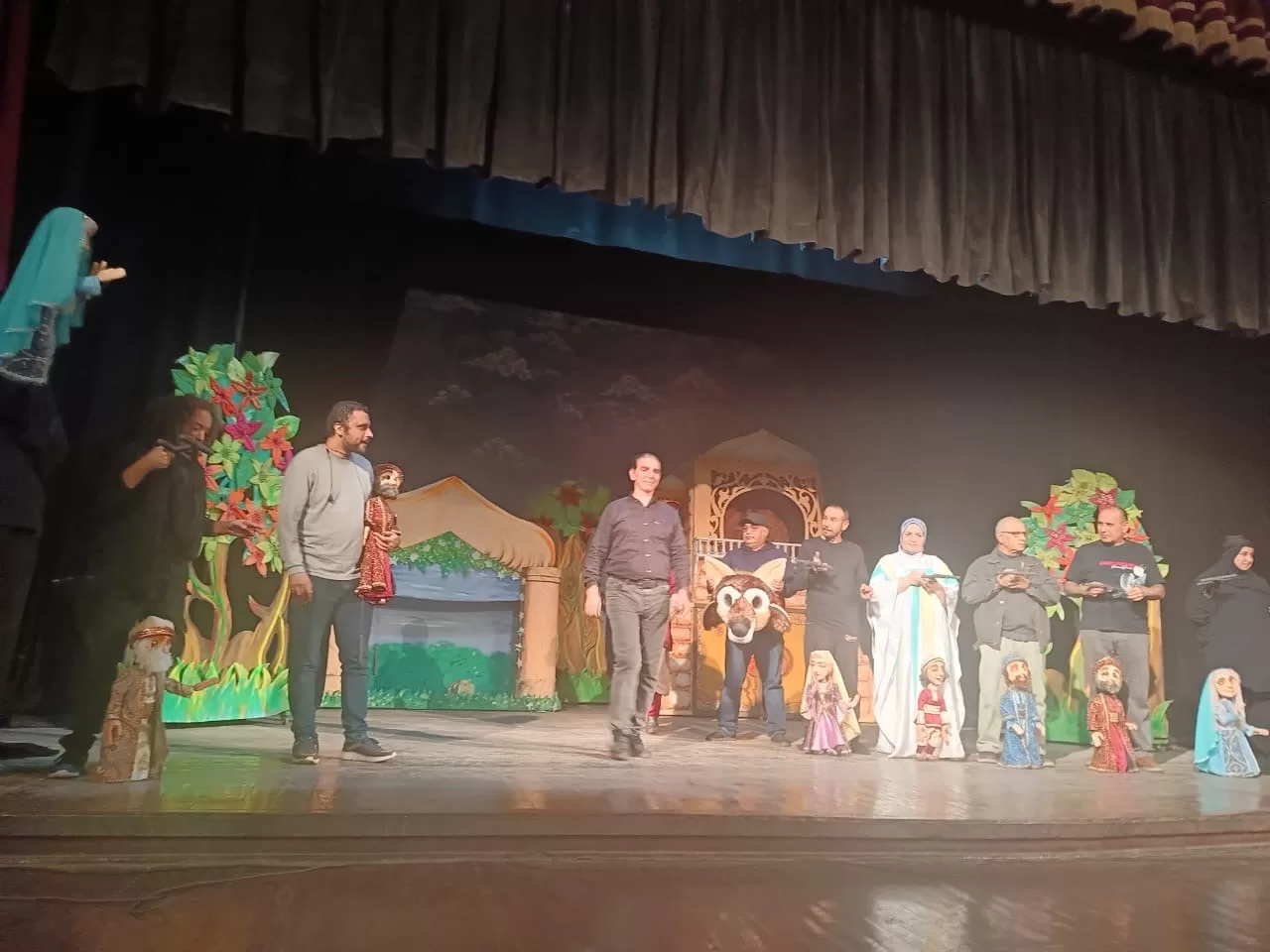
Cultural, educational, and media experts agree that children’s theatre has become one of the most effective “soft power” tools in protecting young minds from digital distortion, cyber risks, and the uncontrolled influence of online content. According to specialists in child culture and media studies, theatre is no longer confined to entertainment; instead, it functions as an interactive educational platform that strengthens children’s digital literacy, critical thinking, and cultural immunity against misleading electronic narratives, extremist ideologies, and inappropriate online values.
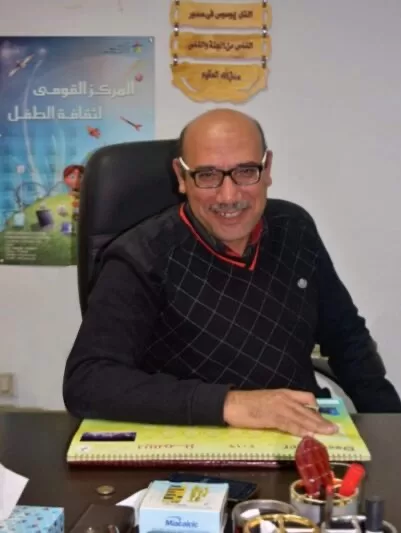
Dr. Mohamed Nassef, Director of the National Center for Child Culture, emphasized that children’s theatre is uniquely capable of integrating multiple art forms—acting, music, movement, visual design, and storytelling—into a unified educational experience. This integration enables children to distinguish between reality and virtual manipulation, reinforcing ethical values and national identity in the face of digital misinformation and cultural invasion.

From a media and child protection perspective, Dr. Sameh Awadallah—a member of the National Council for Childhood and Motherhood and Professor of Media Studies—asserted that children’s theatre represents a resilient form of soft power that contributes directly to safeguarding Egypt’s cultural and cyber security. He explained that theatre plays a preventive role in countering electronic distortion and intellectual extremism by presenting authentic cultural narratives that empower children to question, analyze, and resist harmful online influences.
Critical Thinking and Creative Safety.
Meanwhile, Dr. Amr Mohamed Abdallah Nahlah, Professor of Children’s Theatre Literature at Ain Shams University, points out that theatrical activities—especially school theatre and curriculum-based dramatization—enhance children’s creative and critical thinking skills. These skills are essential for navigating digital spaces safely, enabling children to identify cyber threats, reject violent or extremist online content, and maintain a balanced digital identity rooted in cultural awareness.

In the same context, Dr. Ahmed Hindi, Professor of Media for Children with Special Needs, highlights the therapeutic and protective dimensions of theatre, particularly for children with disabilities. He explains that interactive theatre and drama therapy help vulnerable children develop communication skills, emotional resilience, and digital self-protection, reducing their susceptibility to cyberbullying, online exploitation, and psychological harm.
Experts conclude that investing in children’s theatre is a strategic necessity, not a cultural luxury. By combining artistic expression with digital literacy and ethical awareness, theatre helps build a generation capable of confronting electronic distortion, maintaining cyber security awareness, and preserving cultural identity in an increasingly virtual world.