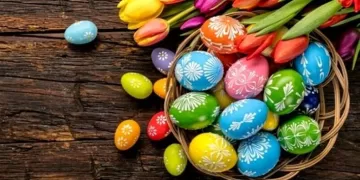












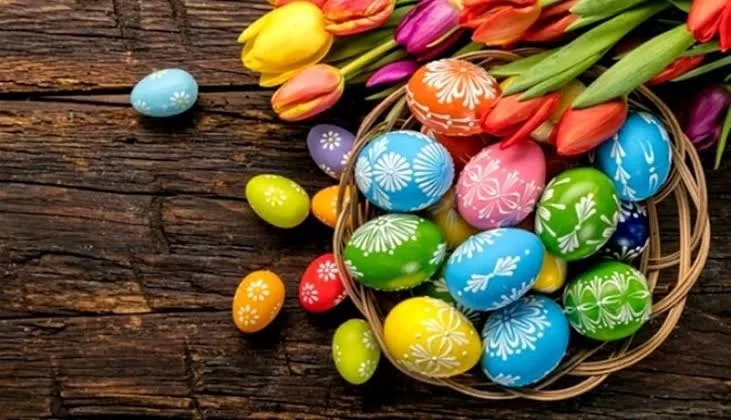
As the vibrant hues of spring paint the Egyptian landscape, the much-anticipated Sham El-Nessim arrives today, carrying with it centuries of tradition and the promise of renewal.
Rooted deeply in our Pharaonic past, this cherished holiday has always been a celebration of life and the blossoming of nature.
While certain culinary customs have become synonymous with Sham El-Nessim, it is imperative that we, as informed Egyptian citizens, approach these traditions with a focus on health and well-being.
Dr Mai Tag El-Din, a food safety consultant, emphasised the importance of making informed choices this Sham El-Nessim.
While the tradition of consuming feseekh is deeply ingrained, it is crucial to avoid the significant health risks associated with it.
Reports from the Egyptian Ministry of Health and the World Health Organisation consistently highlight feseekh, particularly when improperly prepared or stored, as a potential source of serious illness.
The historical context of feseekh, dating back to the Fifth Dynasty where dried mullet was offered in temples, speaks to ancient preservation techniques. However, the very process of its preparation – the decomposition of fish muscles and internal tissues through salting, drying, and sometimes smoking – creates an environment conducive to the growth of dangerous bacteria.
The most alarming threat posed by feseekh is the potential presence of botulinum toxin, a neurotoxin produced by the anaerobic bacterium Clostridium botulinum.
This toxin is one of the most potent known to humankind, and its effects can be devastating.
Symptoms range from blurred vision, dry throat, and difficulty swallowing and speaking to muscle weakness, potentially culminating in respiratory failure requiring intensive care and, tragically, even death within hours.
Sadly, annual reports in Egypt confirm that cases of poisoning and death due to feseekh are a recurring reality.
We must collectively decide that this year will be different.
Fortunately, the spirit of Sham El-Nessim – the celebration of spring and new life – can be embraced with delicious and safe alternatives.
Herring presents itself as a viable and healthier option, allowing us to partake in the traditional fish element of the holiday without jeopardizlsing our well-being. For those choosing to enjoy herring this Sham El-Nessim, Tag El-Din offers to The Egyptian Gazette readers crucial guidelines to ensure its safety and quality. Purchase herring from reputable vendors, ideally opting for packaged products to ensure proper handling and storage. Examine the fish carefully: the body should exhibit a shiny, golden appearance, free from swelling, and the skin should be intact, without any cracks.
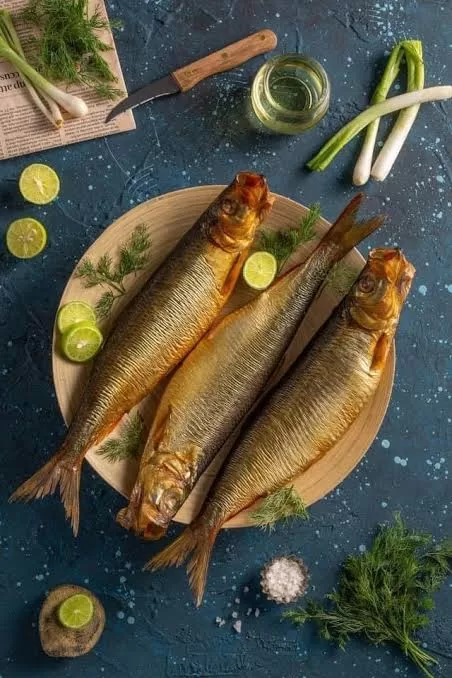
The smell should be fresh and characteristic of fish, devoid of any unpleasant, rotten, or rancid odors.
The flesh should be firm to the touch, not appear worn, and display a healthy pink color, not brown.
Ensure the body is free of any black spots or white mold.
It is advisable to expose the herring to heat before consumption as a precautionary measure.
The most vital step is to thoroughly examine the fish from the inside.
Be vigilant for any signs of parasites. This last point is particularly important due to the potential presence of the Anisakis worm.
This parasite has a complex life cycle and can infect humans who consume raw or undercooked fish like herring and sushi. Anisakiasis can trigger allergic reactions and damage the intestinal wall, potentially necessitating surgical intervention or endoscopy.
Symptoms often include severe stomach pain, vomiting, and nausea.
To effectively eliminate this risk, the World Health Organization recommends heating fish to an internal temperature of 63°C, freezing it at -35°C for 15 hours, or at -20°C for 7 days.
In conclusion, Sham El-Nessim is a time for joy, togetherness, and the celebration of life’s renewal. Let us honor this ancient tradition by prioritizing our health and the well-being of our loved ones.
By choosing safe and nutritious alternatives like carefully selected herring, and by heeding the expert advice of Dr Mai Tag El-Din, we can ensure a happy and healthy Sham El-Nessim for all.
Moreover, in these times, maintaining good health through nutritious food strengthens our immunity, offering an added layer of protection.
Let this Sham El-Nessim be a testament to our wisdom and our commitment to a healthy future.

