


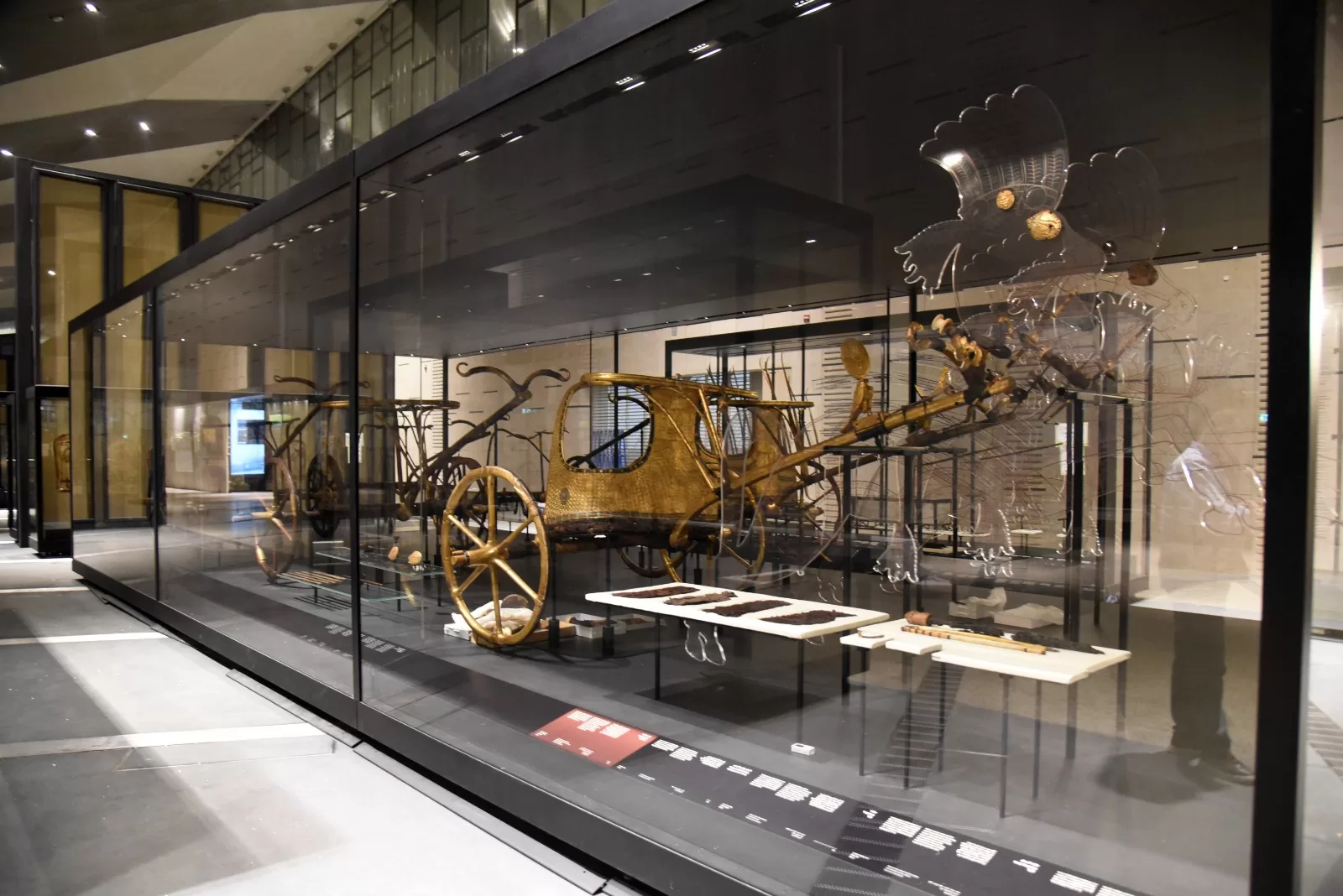
For the first time since its discovery over a century ago, the full collection of treasures from Pharaoh Tutankhamun’s tomb will be displayed together under one roof at the Grand Egyptian Museum (GEM), beginning November 4.
The occasion aligns poetically with the anniversary of the tomb’s 1922 unveiling in the Valley of the Kings, an event that reshaped archaeology and captivated the world.
A century in the making
Maj. Gen. Atef Moftah, the engineering supervisor of the GEM project, shared insights with the Egyptian Mail ahead of the hotly anticipated gallery opening.
This is the very first time, he said, the complete collection of Tutankhamun’s treasures is being displayed together since their discovery in 1922.
“That moment was the archaeological discovery of the twentieth century, as Tutankhamun’s tomb was the first royal tomb found fully intact. It was sealed since the pharaoh’s death,” he added.
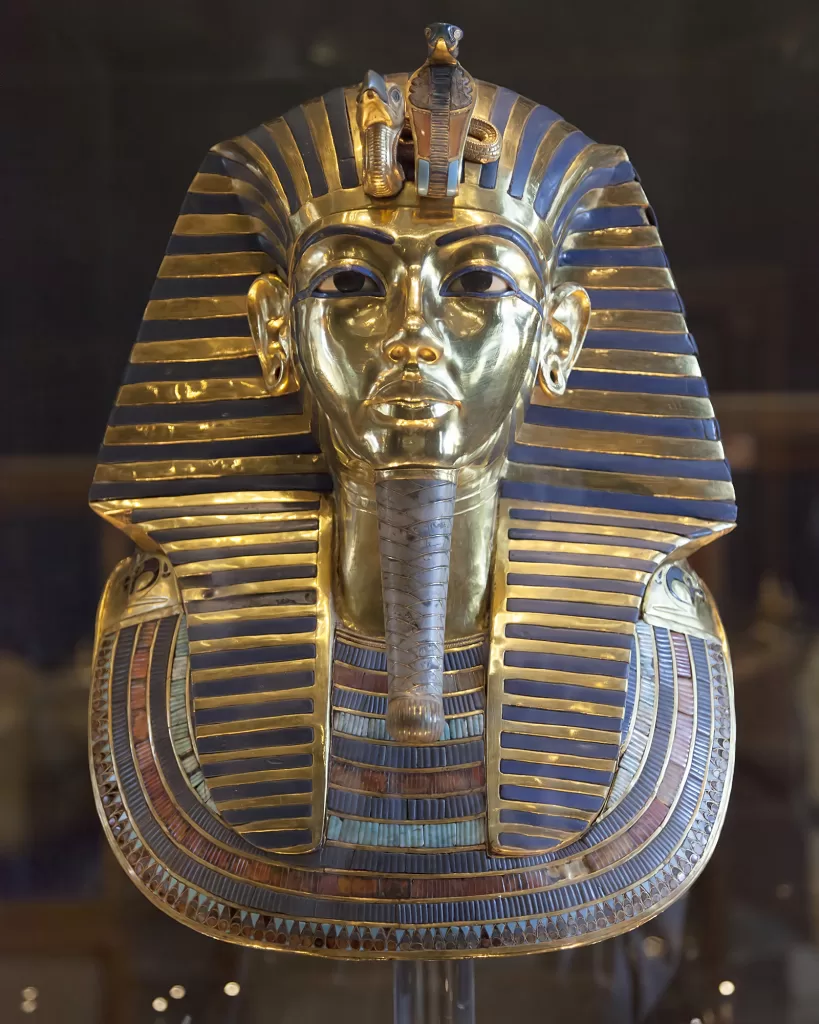
The trove, comprising over 5,000 artefacts, showcases ancient Egyptian artistry at its most opulent, from gilded chariots and ornate jewellery to personal effects and extravagant funerary furniture.
While many pieces were exhibited at the Egyptian Museum in Tahrir Square over decades, more than half – some 2,500 items – have remained in storage and will be seen by the public, for the first time at the GEM.
Rescuing the legacy
Over the last century, some fragile items, delicate textiles and wooden objects in particular, have succumbed to the ravages of time.
Maj. Gen. Moftah said the GEM has established its own unique approach to artefact restoration to revive these precious items once more.
This, he added, promises to give visitors a glimpse not only of treasures but of the meticulous work that has preserved them.
Inclusive, immersive experience
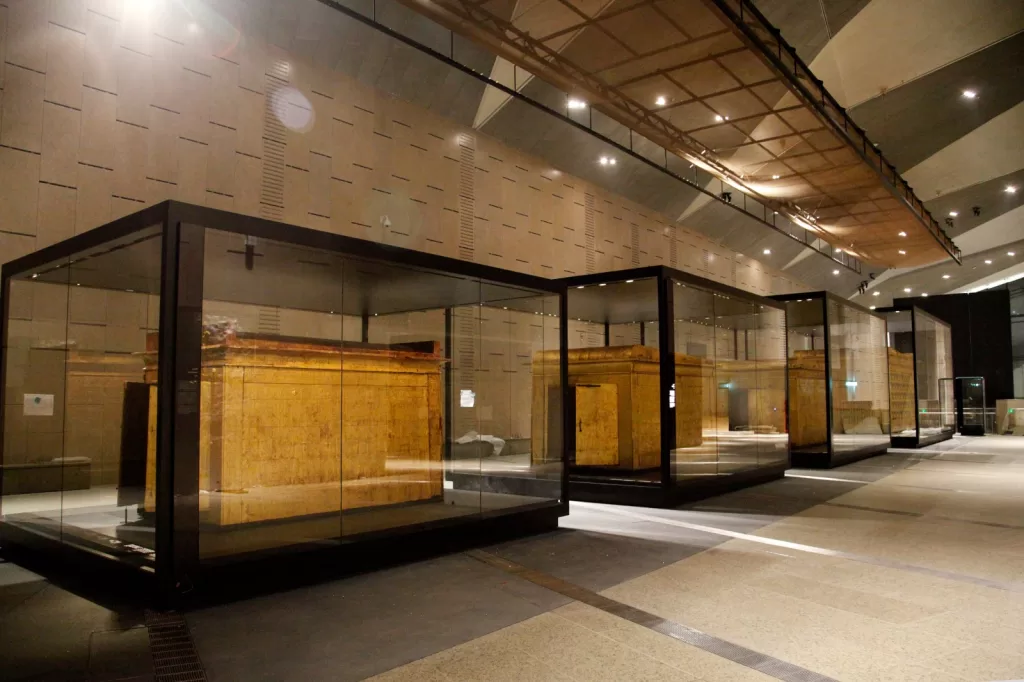
Encompassing a vast 7,500 square metres, the newly revealed Tutankhamun galleries are the heart of a collaborative architectural and curatorial endeavour.
Designed by an award-winning Irish firm, constructed in partnership with Egypt’s Orascom, and staged by Germany’s Atelier Brückner, the galleries blend aesthetic harmony with cutting-edge museology.
Egyptian archaeologists and craftsmen have been instrumental in bringing this vision to life.
The exhibit is not limited to static displays. Interactive tables and tactile models ensure engagement for visitors of all ages and abilities.
Accessibility features include audio guides, tactile artefact replicas, and visual aids for the visually impaired, ensuring what Maj. Gen. Moftah calls “an inclusive experience for every visitor”.
A new centre within the gallery uses digital reconstructions and projections of the Valley of the Kings, offering visitors a vivid sense of place and history.
Alongside these innovations, the exhibition gives special attention to Tutankhamun’s personal effects, daily life objects, chariots, and even remnants of his food and clothing, shedding new light on the young king’s short but eventful reign.
Window into ancient afterlife beliefs
Another highlight is the presentation of funerary objects – shabti figures, shrines, coffins, and the iconic golden mask – amid dramatic pharaonic and hieroglyphic murals.
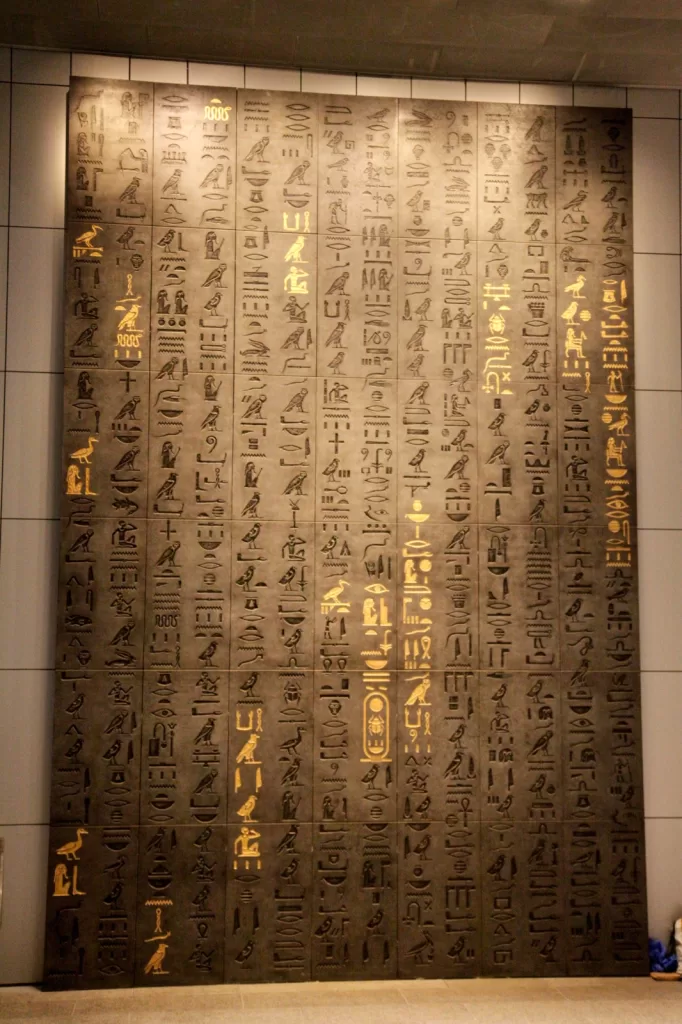
Portions of the hieroglyphic inscriptions from Tutankhamun’s golden shrines have been replicated on the gallery walls, offering an immersive look at burial spells and ancient beliefs in rebirth and immortality.
With this milestone, Egypt not only celebrates its rich heritage, but ushers in a new era for archaeology and visitors from around the world.
As Maj. Gen. Moftah concludes, “We have tried as much as possible to present the hall in its full glory, sharing the secrets of Tutankhamun, not as relics of the past, but as living history for all to experience”.
The GEM’s Tutankhamun galleries open to the public on November 4, marking a new chapter in the story of one of the world’s most famous pharaohs and his immortal legacy.

