


In the heart of Cairo, a unique initiative has been steadily weaving together the intricate threads of Egypt’s culinary, artistic, and social history.
Now in its fourth season, Tabliyet Masr, led by the National Museum of Egyptian Civilisation (NMEC) in Fustat, is a dynamic exploration of food as a living heritage and as art, and as the fabric of memory, and as the connective tissue of community.
This year’s season, which concluded last week, offered a powerful lens through which to view Egypt’s culinary landscape, positioning food as a vibrant tapestry of storytelling, research, and creative expression.
At its core, the initiative explores the role food plays in the archives of culture, family memory, and artistic heritage.
“We see food as a binding force,” said Malak Elkhadem, one of the initiative coordinators. “It is documentation, an art, and a community,” she added.
By foregrounding the culinary traditions, oral histories, and creative reinterpretations that define Egypt’s food ways, she noted, Tabliyet Masrforges vital links between the past and the present, ensuring that future generations inherit more than recipes.
“They inherit a living, breathing heritage,” she told the Egyptian Mail.
The fourth season adopted the theme “Food as an Artistic Expression”.
It dedicated its programming to examining how food and art intermingle, from the visual poetry of street food carts to the richly personal stories of Egypt’s celebrated chefs.
Participants experienced food as both subject and medium, discovering how its aesthetics, rituals, and rhythms have shaped everything from visual arts and photography to the ever-evolving urban culture of Cairo.
“Within the museum, expertly curated mock-ups and exhibits recreated the vivid tableau of the Cairo street cart, with their distinctive colours, sounds, and scents,” Elkhadem said.
The installation was anchored by deep research, drawn from the AUC Rare Books and Special Collections Library, highlighting how these mobile kitchens have become both cultural icons and artistic canvases in the city’s bustling landscape.
One of the most anticipated events this season was a guided walking tour of downtown Cairo.
Guests explored not just the flavours but the stories and artistic contexts that animate the city’s legendary street food spots.
“Each stop revealed new layers: a falafel stall nestled beside vibrant urban murals, a kosharyvendor with tales to tell of family recipes and local lore,” Elkhadem said.
“This tour was a genuine immersion into how food, art, and urban geography intertwine in the daily lives of Egyptians,” she added.
The fourth season also hosted the Dishes and Memories: Stories behind the Chefs event.
With expert speakers, the gathering delved deeply into the ways food is entwined with personal memory and Egypt’s intangible cultural heritage.
Chefs, researchers, and enthusiasts came together for workshops and discussions on the roots of Egyptian food identity, exploring how recipes and culinary rituals are passed down through generations not just in ingredients and methods, but in the stories and emotions that accompany every meal.
Understanding that heritage is most powerful when shared across generations, Tabliyet Masr’s fourth season offered several engaging family events.
Children also enjoyed the activities of the initiative. There were workshops on “What Will We Eat Today?” where children and parents explored the origins and artistry of Egypt’s national dish, koshary.
“Through hands-on activities with dry ingredients, young participants mapped out the historic journey of koshary’s components, some tracing back to Ancient Egypt, while learning about nutrition, creativity, and curiosity around food,” Elkhademsaid.
In another workshop focused on sustainability, mothers and children discovered the enduring charm and practicality of clay cookware.
The activities, she said, combined practical demonstrations with artistic creation, encouraging sustainable culinary practices while deepening love for tradition.
Extending Tabliyet Masr’s reach beyond the museum, a special event at the Mamluk-Ottoman Bayt El Razzaz in medieval Cairo highlighted how Egyptian literature preserves culinary customs and rituals.
Experts discussed the depiction of food in novels and memoirs, revealing the power of literature as both recipe book and memory archive.
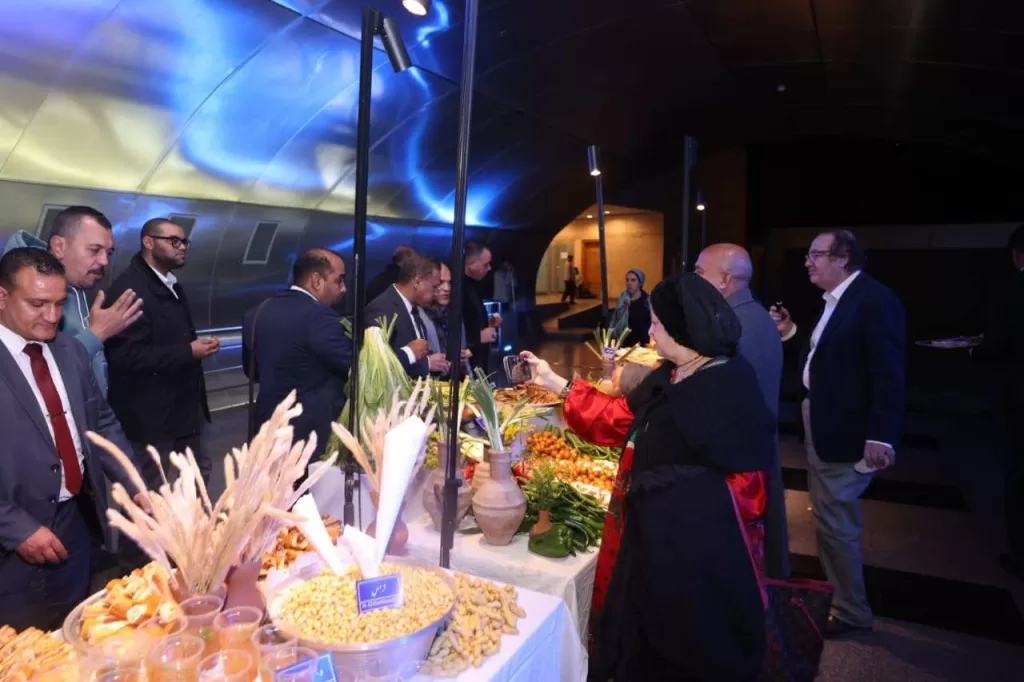
Afterwards, attendees shared a meal, featuring dishes straight from the pages of Egypt’s literary treasures: sharkaseya, mahshi, mombar, molokheya, besara, and more.
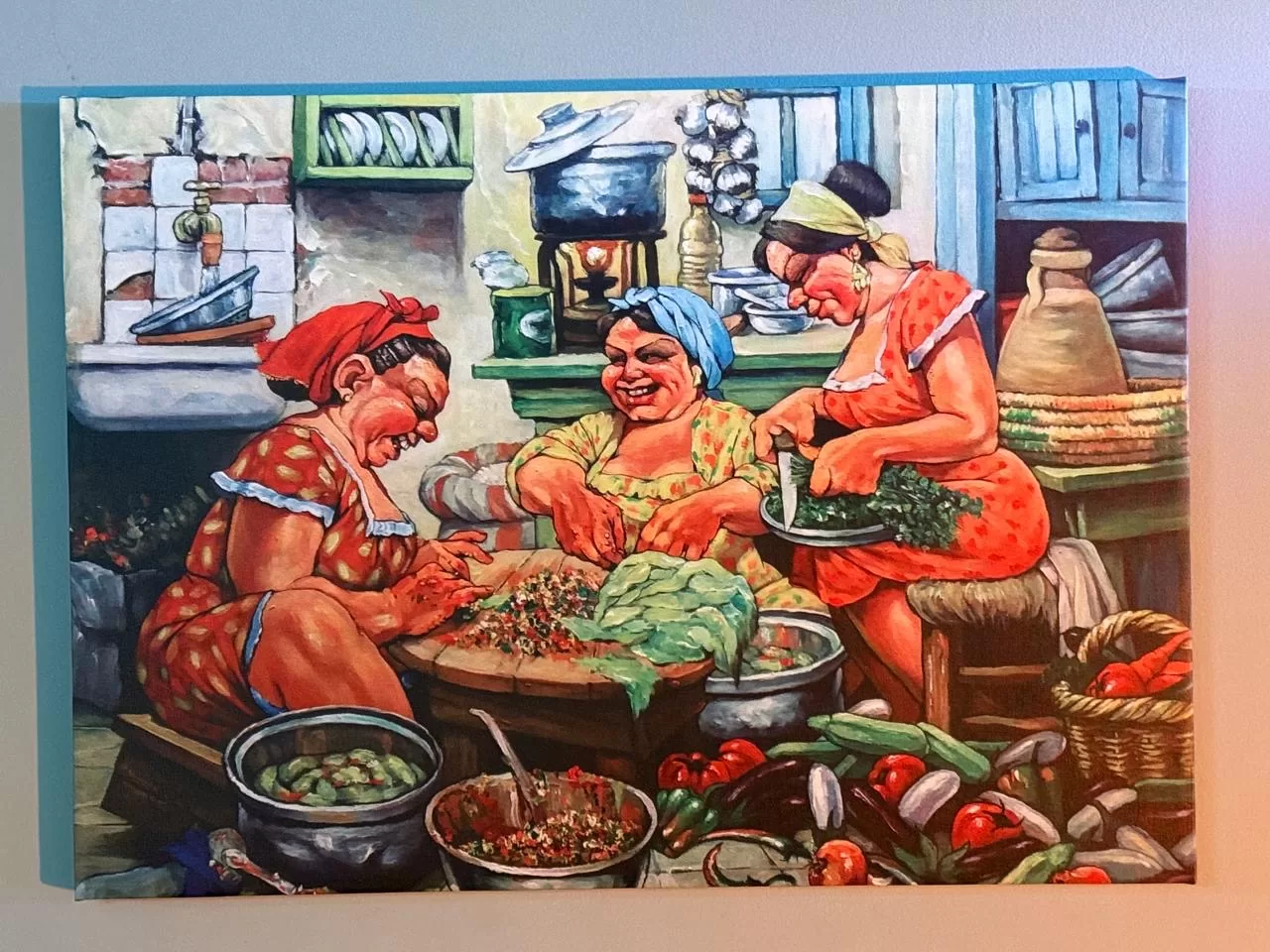
The curtain fell on Season 4 with a vibrant closing ceremony and an art exhibition by Mohsen AboulAzm, whose evocative works celebrated the gathering of family around the communal tabliya, a simple, circular tray symbolizing unity and everyday beauty.
As Tabliyet Masr looks forward to Season five, dedicated to “Food and Its Role in the Community,” the project continues to reaffirm the enduring importance of food as Egypt’s oldest art form, its richest archive, and its warmest invitation to the future.
“When we gather around the table, we gather history, memory, and hope,” Elkhadem said.
“Tabliyet Masr ensures none of it is ever lost,” she concluded.

