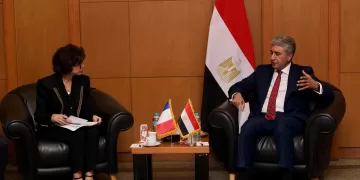










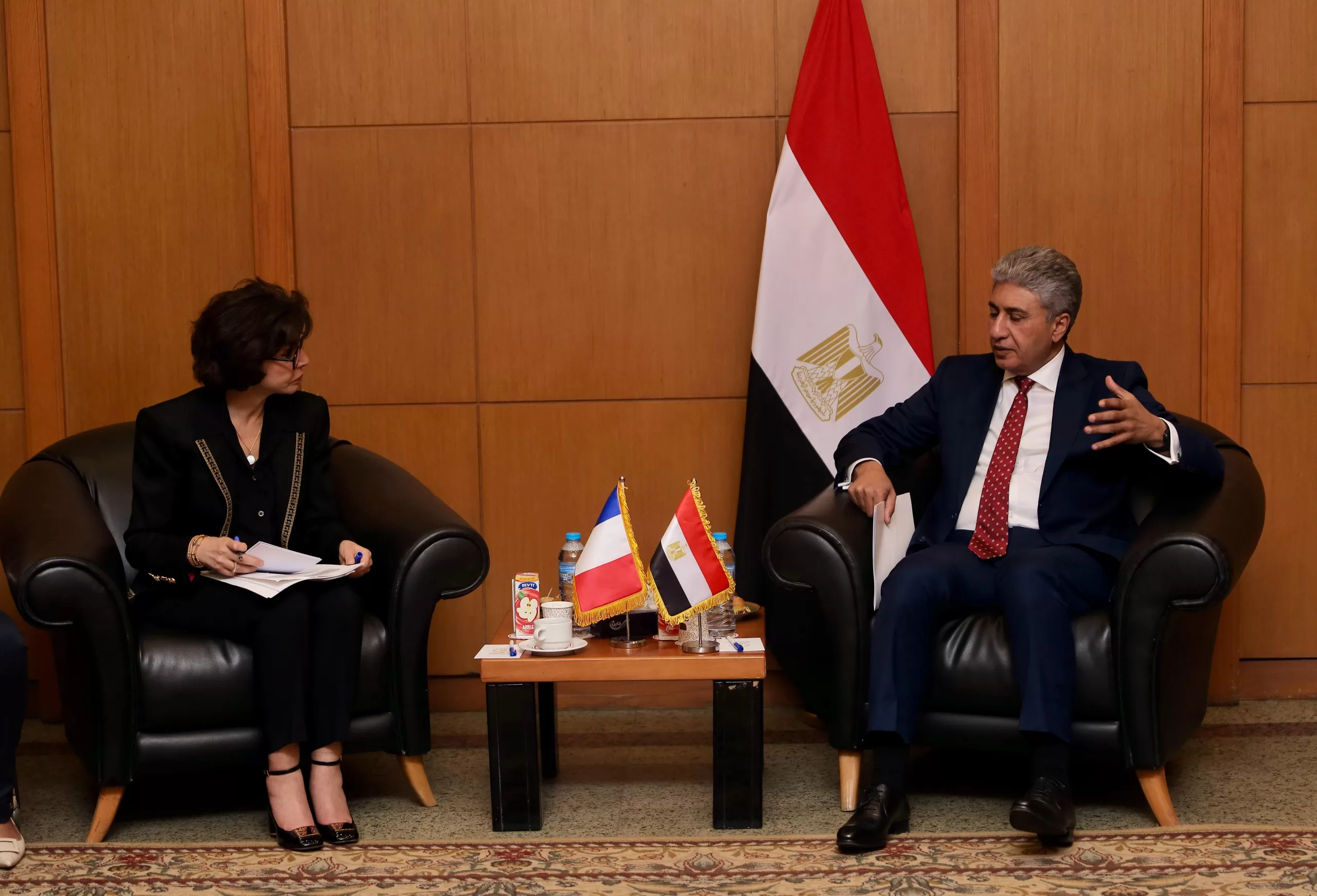
Egypt and France have reaffirmed their commitment to cultural and archaeological collaboration. Minister of Tourism and Antiquities, Sherif Fathy, hosted French Minister of Culture, Rachida Dati, and her accompanying delegation at the National Museum of Egyptian Civilisation in Fustat.
The high-level meeting coincided with French President Emmanuel Macron’s official visit to Egypt, further cementing bilateral ties. During their discussions, the ministers explored creative avenues to strengthen cooperation in antiquities, cultural heritage, and tourism.
Fathy highlighted the significance of Macron’s visit, which included a tour of the Grand Egyptian Museum (GEM) and a pivotal meeting with President Abdel Fattah ElSisi. The leaders’ discussions culminated in a joint declaration elevating Egyptian-French relations to the level of a strategic partnership.
He noted that Macron has a deep appreciation for Egyptian civilization and, during his visit to the GEM, he paused to admire each artifact, eagerly inquiring about its history and significance.
“Egypt and France share a remarkable history of collaboration across fields like culture and antiquities, and this relationship continues to grow,” Fathy said, adding that the Ministry of Tourism and Antiquities seeks to broaden cooperation into new and meaningful initiatives.
Echoing these sentiments, Dati expressed her gratitude for Egypt’s hospitality while underlining France’s deep dedication to its ties with Egypt. Reflecting on her visit to the GEM, Dati praised its portrayal of Egypt’s legacy as a cradle of civilization, describing the experience as truly inspiring.
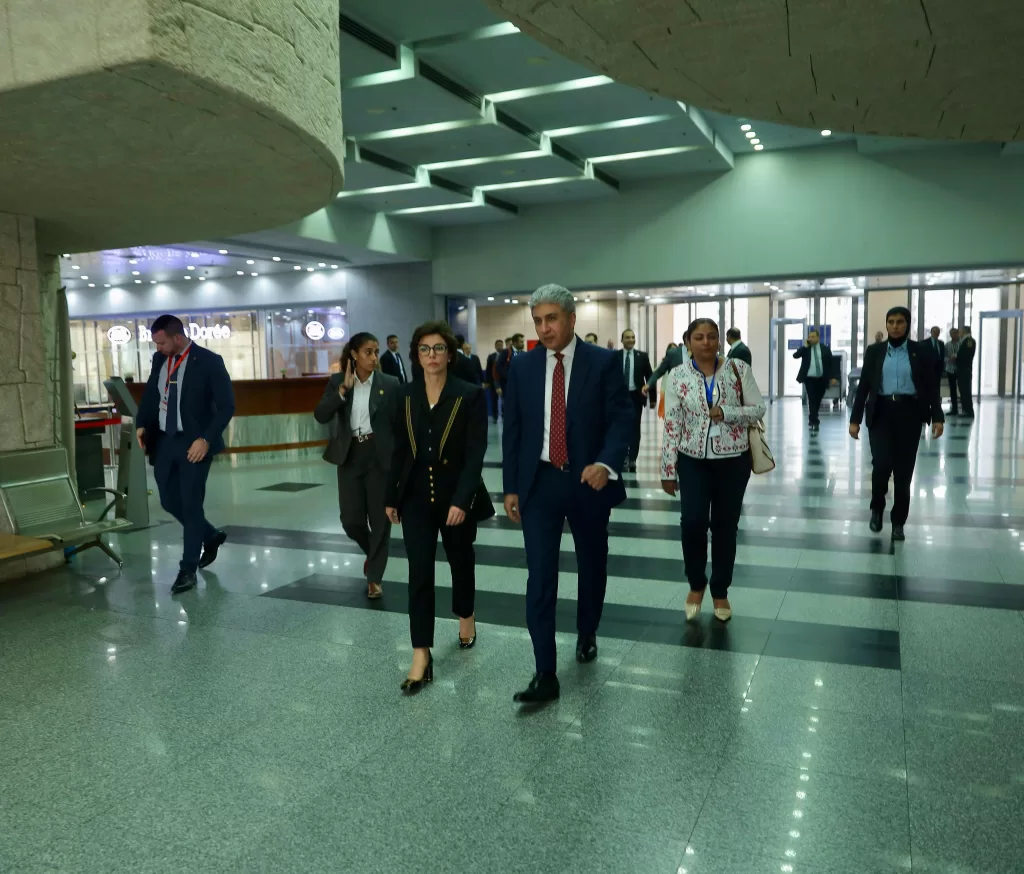
During the meeting, both ministers proposed new initiatives to enhance collaboration. These included the exchange of expertise in archaeological restoration, professional training programs in heritage preservation, and joint forums to connect archaeologists and restoration experts from both countries.
Dati also emphasised France’s eagerness to expand its archaeological projects in Egypt, where 55 French missions are already actively operating across various historical sites. She expressed France’s commitment to fostering more research, expeditions, and restoration efforts, ultimately preserving the shared cultural heritage of humanity.
Another important topic of discussion was language education. Building on an existing agreement between the French Institute for Oriental Archaeology in Cairo, the French Institute in Cairo, and Egypt’s Supreme Council of Antiquities, plans are underway to train Egyptian curators, archaeologists, and museum staff in specialised French terms related to archaeological work. Furthermore, educational exchange programmes between Egypt and France aim to create opportunities for archaeology students to collaborate on key restoration projects.
Both ministers announced the creation of a roadmap with a clear timeline to implement these action points. This collaborative framework showcases their shared vision for cultural exchange, preservation of history, and expanding ties between Egypt and France.

