




A previously unknown ancient site has been uncovered on Jabal Umm Arak in South Sinai, shedding light on over 10,000 years of rock art and cultural history.
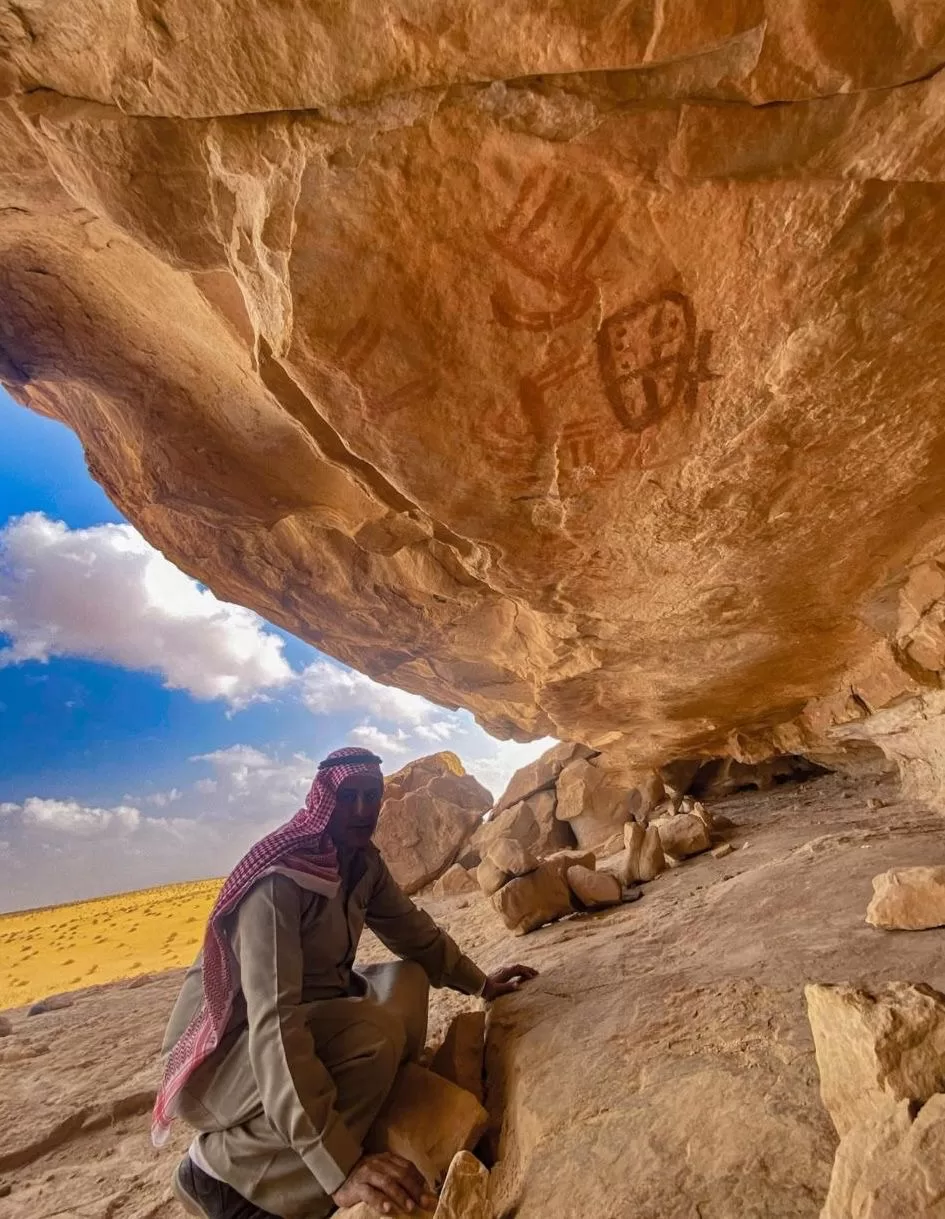
The Umm Arak site is located in a remote sandy area, about 5 kilometres northeast of the ancient Temple of Serabit el-Khadim. It boasts a natural sandstone shelter over 100 metres long.
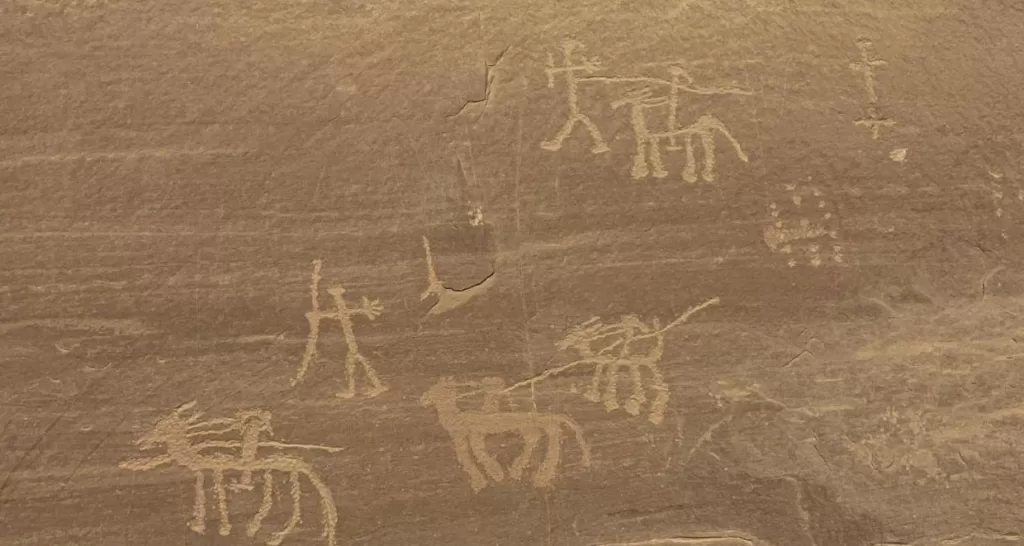
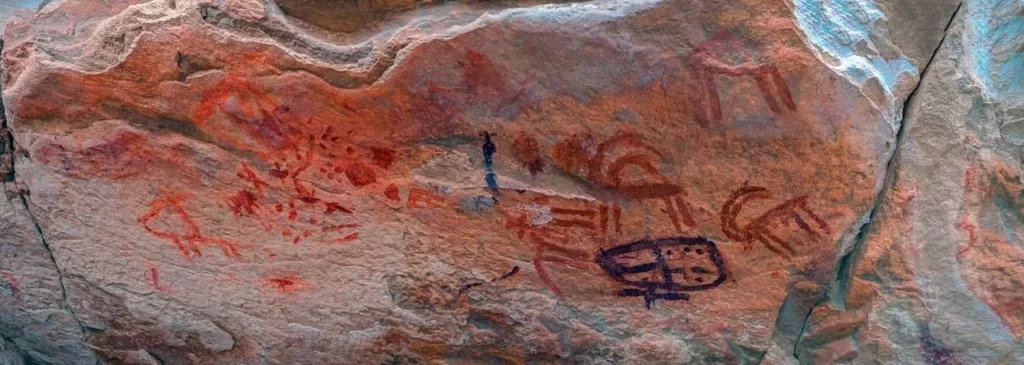
Made by archaeologists from the Supreme Council of Antiquities (SCA), the new site has ceilings adorned with vivid red and grey paintings. They depict animals, symbolic figures, and scenes of daily life from different periods, some dating back to between 10,000 and 5,500 BC.
Archaeologists were able to identify multiple layers of artwork, including engravings, showing hunters with bows and dogs, camel and horse riders, as well as Nabataean and early Arabic inscriptions.
The Nabataeans were an ancient Arab people of northern Arabia and the southern Levant.
Minister of Tourism and Antiquities, Sherif Fathy, described the site as a “major addition” to Egyptian antiquities.
It reflects the unique cultural and human richness of the Sinai Peninsula, offering new evidence of the many civilizations that have flourished in Sinai over millennia, the minister said in a statement.
SCA Secretary General, Hesham el-Leithy, said this rich diversity makes Umm Arak a natural open-air museum, documenting humanity’s artistic and symbolic development from prehistory up to early Islamic times.
Evidence found at the shelter, such as animal remains and living units, suggests the site was used for thousands of years as both a refuge from the elements and a gathering place for people and livestock.
The discovery was made possible with guidance from local Bedouin communities.
The SCA team found stone tools and pottery shards from ancient Egyptian, Roman, and medieval periods in the site, confirming it was in use through countless generations.