




The Egyptian archaeological mission working in the Manqabad area of the Assiut Antiquities region, in Upper Egypt, has uncovered a significant brick building dating back to the 6th and 7th centuries AD.
The discovery has been hailed as a major addition to the understanding of early Christian architecture and Coptic art in Upper Egypt.
According to Secretary-General of the Supreme Council of Antiquities, Mohamed Ismail Khaled, the structure is distinguished by its white-mortared walls and two-level design.
Inside the building, archaeologists found several remarkable wall paintings, including a unique mural depicting a multitude of eyes centered around a single face. Experts believe this composition symbolises spiritual insight, wisdom, and vigilance, key themes in Coptic religious life and pastoral care.
Another notable fresco discovered shows a bearded man holding a small child, likely identified as St. Joseph the Carpenter and the infant Jesus, flanked by the disciples and accompanied by Coptic inscriptions. These rare representations offer a fascinating glimpse into the symbolism and theological messages prevalent in early Egyptian Christianity, a statement by Tourism and Antiquities Ministry said.
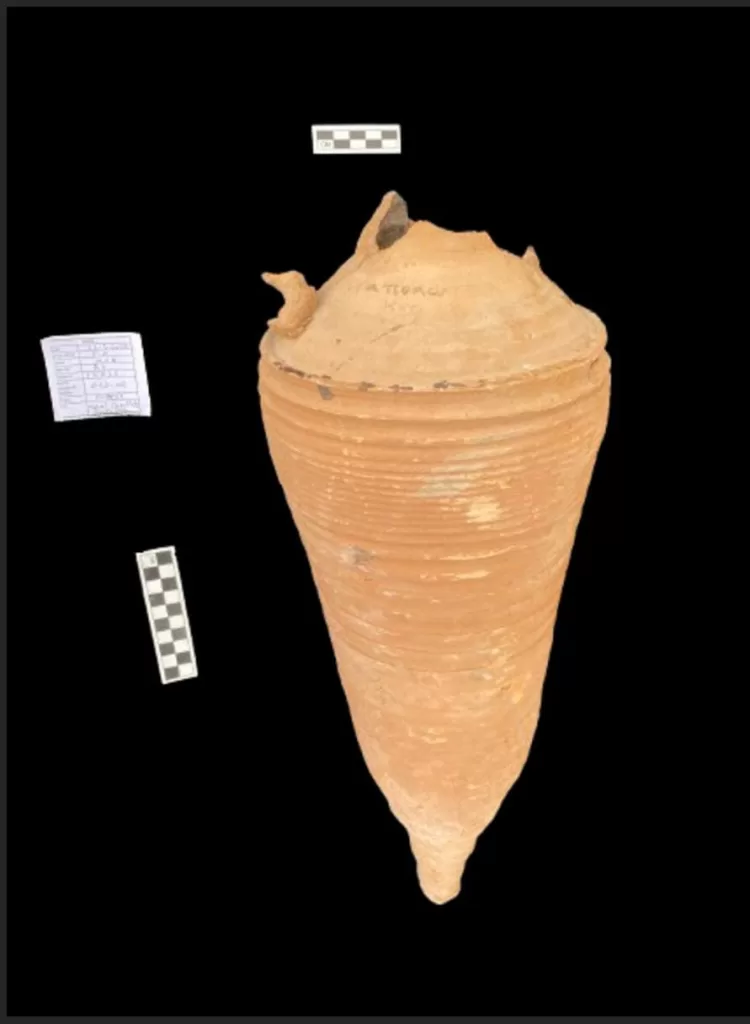
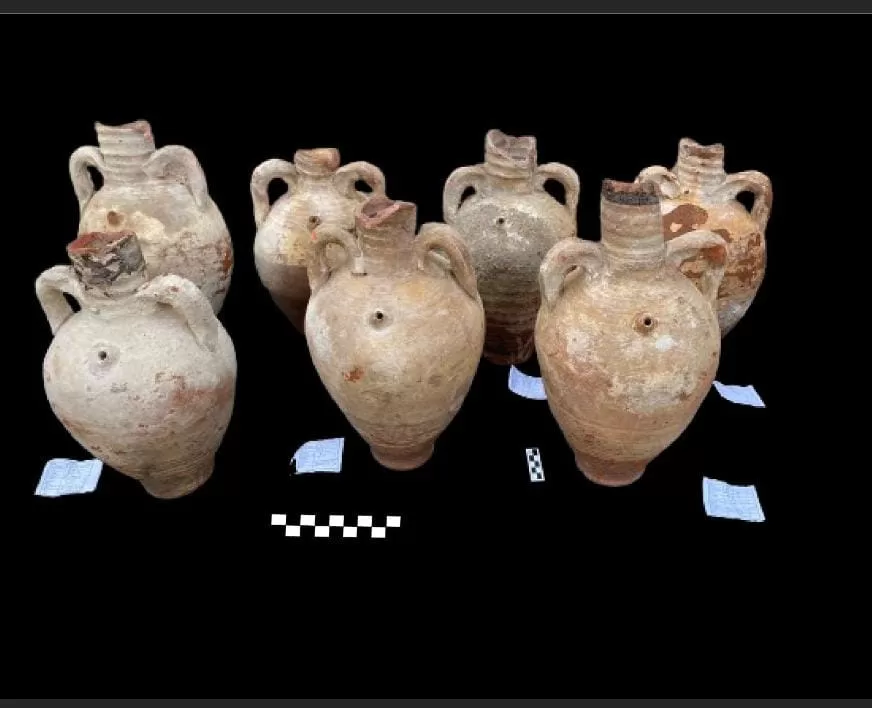
The building’s upper level comprises three parallel halls leading into two rooms, while a staircase descends to the lower floor, which features three elongated rooms (frayers) followed by two more rooms. These lower spaces contained a variety of artifacts, including pottery pieces, worked stones, and other remnants of material culture.
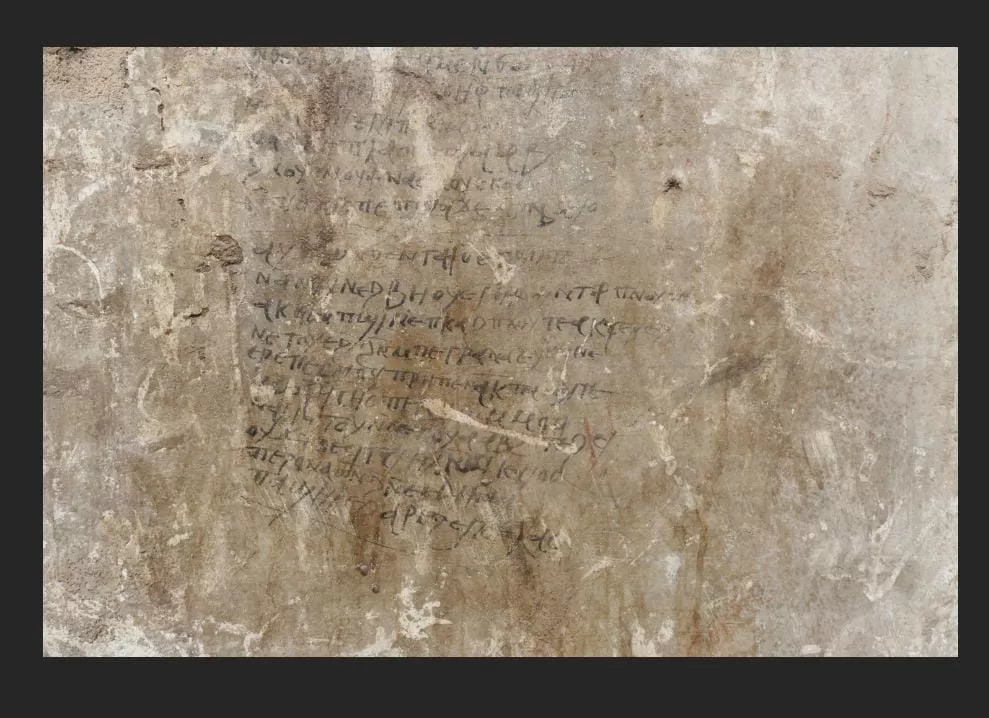
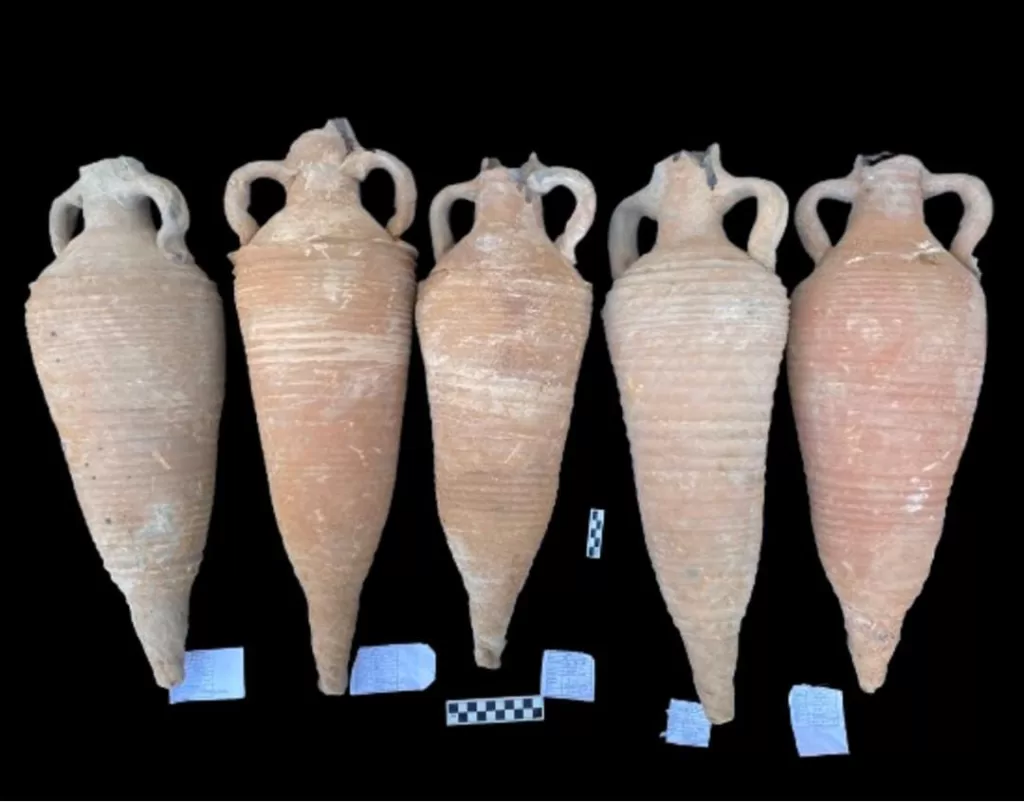
One of the most significant finds is a tombstone inscribed in Coptic, revealing the name and date of death of a venerated local saint. In addition, fragments of pottery with Coptic letters, a stone frieze decorated with images of a deer and lion, and other utilitarian vessels were uncovered. These discoveries shed new light on daily life, religious practices, and artistic expression in early Christian communities of the region.
The archaeological team carries on with their excavations and documentation of the murals, hopeful that further research will reveal even more about the building’s function and place in Coptic heritage.
The Manqabad ruins lie northwest of Assiut city, about 22 kilometres from Assiut International Airport. The site first came to the attention of scholars in 1965, with intervallic excavations from 1976 until 2010 and renewed major archaeological activity resuming in the 2024 season.