




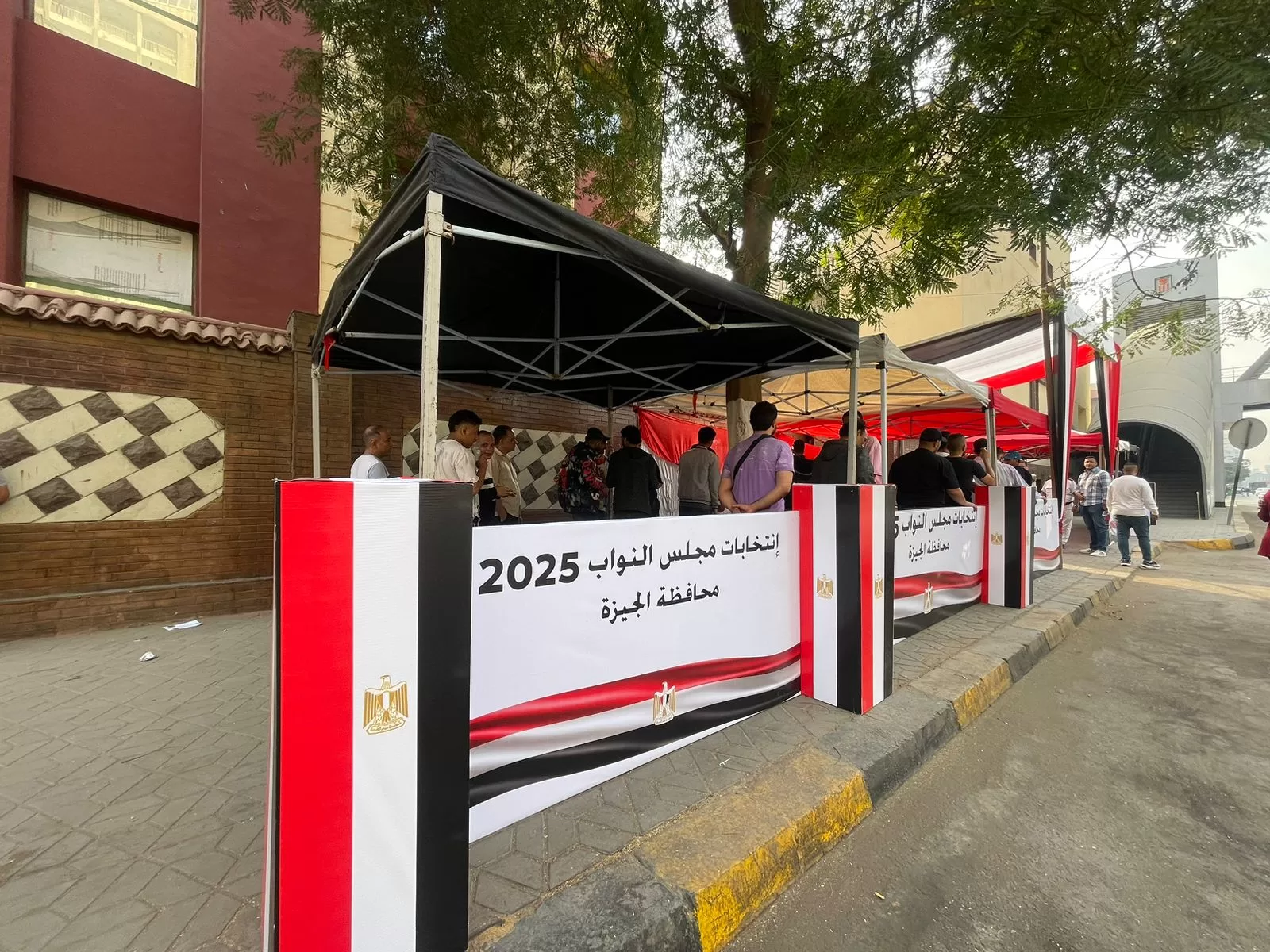
Polling stations opened their doors at nine o’clock, Monday morning, to receive voters wishing to cast their ballots in the first phase of the House of Representatives election.
The voting is being held under the supervision of judges from the judicial authorities and will continue over two consecutive days, with monitoring by various civil society organizations and both local and international media outlets.
The first phase of the electoral process covers 14 governorates: Giza, Fayoum, Beni Suef, Minya, Assiut, New Valley, Sohag, Qena, Luxor, Aswan, Red Sea, Alexandria, Beheira, and Marsa Matrouh.
A total of 35,279,922 voters are eligible to cast their ballots in this phase, distributed across 5,606 subcommittees within 70 electoral districts. The contests feature 1,281 candidates running for individual seats, in addition to one electoral list contesting the list-based seats in the West Delta and Central, Southern, and Northern Upper Egypt constituencies.
Judges from the State Lawsuits Authority and the Administrative Prosecution Authority, serving as heads of the subcommittees (polling stations), received their assigned polling locations early in the morning.
They conducted on-site inspections to ensure that all necessary materials for the electoral process were available—particularly ballot papers, voter rolls, and procedural forms. The judges also verified that ballot boxes were completely empty before sealing them with special coded plastic locks.
Police forces were deployed around all polling centers to ensure their security and to provide protection, so that voters could cast their ballots in a safe and calm environment.
The National Election Authority has taken several measures to facilitate voter participation, especially for the elderly and persons with disabilities, ensuring their ability to exercise their constitutional right to vote. These measures include designating most polling stations on the ground floors of electoral centers and equipping them with guidance boards featuring QR codes that voters can scan to access additional information about voting rules and procedures, as well as educational materials explaining how to cast their votes correctly.
The Authority has also issued ballot papers in sign language alphabet to assist voters with hearing disabilities, as well as Braille ballots for visually impaired voters, which contain electoral instructions to help them participate effectively.
Each ballot paper also includes a clear note specifying the number of seats to be selected in each constituency, to help voters cast valid votes and avoid ballot invalidation due to selecting fewer or more candidates than required.
The electoral process is being observed by numerous international and regional organizations, including the League of Arab States, the African Union, the Organization of Islamic Cooperation, the Arab Organization for Electoral Management Bodies, and the Parliamentary Assembly of the Mediterranean, in addition to local civil society organizations and local, Arab, and international media outlets.

