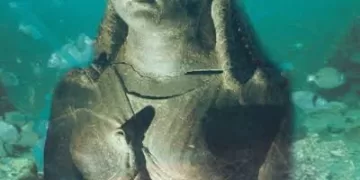







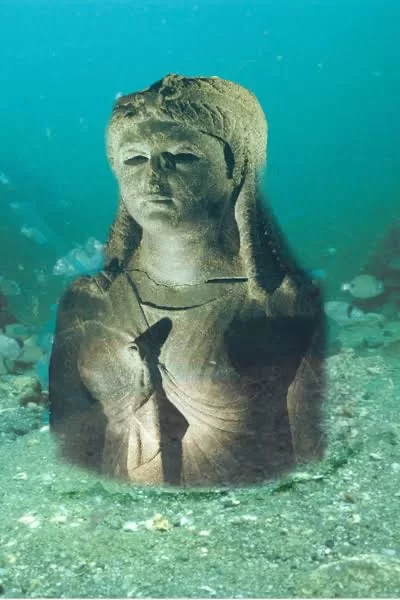
Just off the coast of Alexandria, beneath the dazzling blue waters of Abu Qir Bay, lie secrets that have slumbered for centuries. Here, ancient columns, statues, and forgotten temples rest silently, a mesmerising testament to Egypt’s enduring legacy.
Now, Egypt is setting sights on transforming these submerged wonders into a living museum, an adventure that promises to unveil the past and set a course towards a brighter economic future.
Earlier this week, Prime Minister Mostafa Madbouly discussed with senior officials and experts an initiative to make Abu Qir Bay a world-class destination for underwater archaeological tourism. He said that Egypt’s sunken treasures should not remain hidden. Madbouly envisions drawing on the world’s best examples, from underwater museums with illuminated trails to guided diving tours, in order to share this rare heritage with the world.
“It’s a promising pillar of our national economy,” he emphasised, calling formaking a thorough inventory of the submerged artefacts and a smart, careful plan that values both accessibility and preservation, in keeping with global best practices. The Prime Minister requested that relevant agencies provide a comprehensive vision within one month.
Hussein Bassir, director of the Antiquities Museum at the Bibliotheca Alexandrina, said the establishment of a comprehensive museum for underwater antiquities in the Abu Qir area represents a major strategic step, opening new horizons for understanding and showcasing a remarkable part of Egypt’s submerged history beneath the waters of the Mediterranean Sea.
“They are about storytelling, about bringing to light the sunken cities that were once vibrant centres of civilisation,” he told The Egyptian Gazette.
The remains of Heracleion and Canopus are some of the most poignant examples, he said. Once lively Pharaonic and Ptolemaic centres, they now rest beneath emerald waves: temples where priests once offered prayers, colossi that greeted sailors, artworks and granaries, witness to an era teeming with life and trade.
“It’s now time to invest in these submerged treasures and transform them into a source of cultural and economic value, especially in light of the growing global interest,” Bassir added.
This vision is ambitious, requiring government commitment, private partnerships, specialised archaeological teams, and international support from organisations such as UNESCO, he said.
“Creating this underwater museum is not a luxury, but a national necessity,” Bassir said.
“The museum would help preserve endangered heritage, create new jobs in tourism and research, attract new segments of tourists, and contribute to Alexandria’s urban and touristic development along the coast.”

