


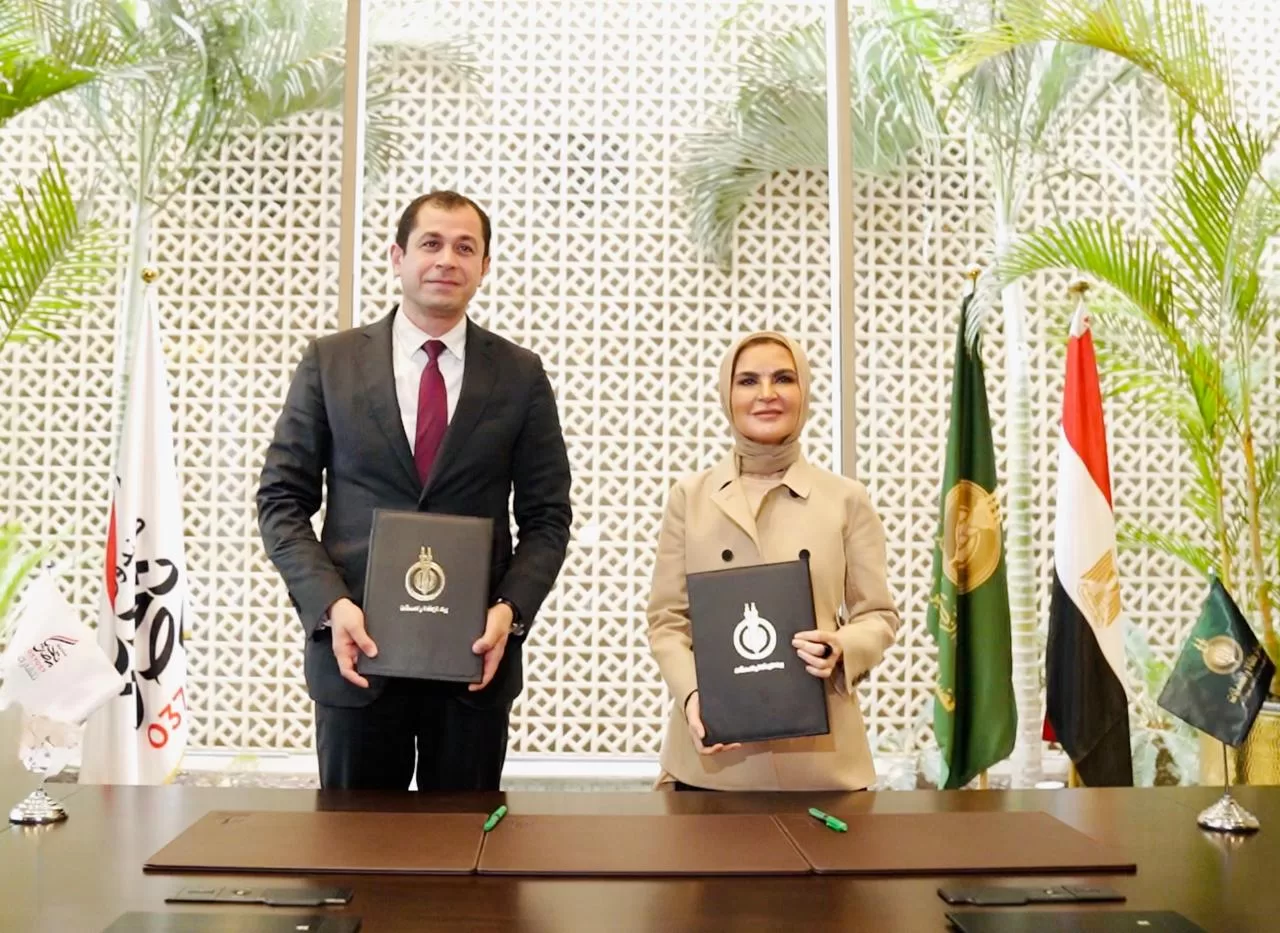
Egypt’s Tahya Misr Fund and Egyptian House of Zakat and Charity (EZCH), operating under the supervision of Grand Imam of Al-Azhar Sheikh Ahmed El-Tayeb, have signed a co-operation protocol to launch an integrated package of humanitarian and development initiatives targeting the country’s most vulnerable groups across all governorates, while intensifying relief efforts for Palestinians in Gaza.
The protocol was signed by Adviser to the Grand Imam and Secretary-General of the (EZCH) Sahar Nasr, and Executive Director of the Tahya Misr Fund Tamer Abdel Fattah.
The agreement aims to boost institutional integration through the coordination of databases and logistical capacities to ensure aid reaches beneficiaries efficiently and transparently.
Key initiatives include expanding support for underprivileged families in the most disadvantaged areas nationwide, with a focus on border and remote regions, as well as launching large-scale campaigns to distribute essential food supplies and new clothing to eligible families and orphans, enhancing social protection coverage.
The protocol also covers co-operation in facilitating the marriage of orphaned and underprivileged young women by equipping them with household appliances and basic necessities.
In addition, the two sides will collaborate on development projects designed to economically empower families and transform them from aid recipients into productive households, promoting sustainability and improving quality-of-life indicators.
Co-operation will further extend to coordinating joint medical, food, and relief convoys to support Palestinians in the Gaza Strip, ensuring swift response and delivery of urgent assistance amid the current humanitarian situation.
Nasr said the protocol reflect the EZCH’s strategy to expand effective partnerships with state institutions to maximise the impact of zakat and charity funds and direct them to their legitimate channels with the highest standards of efficiency and governance.
For his part, Abdel Fattah said that the Fund will deploy its full logistical and field capacities to achieve the protocol’s objectives, particularly in youth empowerment and support for vulnerable families, as well as continued relief for Gaza.
