


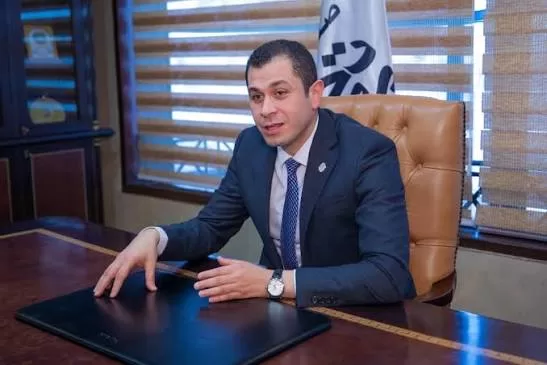
Executive Director of the Tahya Misr Fund, Tamer Abdel Fattah, confirmed in exclusive remarks to The Egyptian Gazette that the fund stands as a pillar of support for all Egyptians.
Abdel Fattah pointed out that co-operation between the Tahya Misr Fund and the Egyptian Zakat and Charity House is not the first of its kind.
The two sides have previously worked together in several humanitarian and relief convoys directed to Palestine since the beginning of the crisis.
Among the most prominent efforts was organising the largest humanitarian convoy in the world for Palestine, which set off from Al-Asmarat and People’s Square in the New Administrative Capital.
He noted that the Tahya Misr Fund achieved six world records in Guinness World Records thanks to its social protection convoys.
The fund set an example to follow in co-operation and solidarity between state institutions, the private sector and civil society.
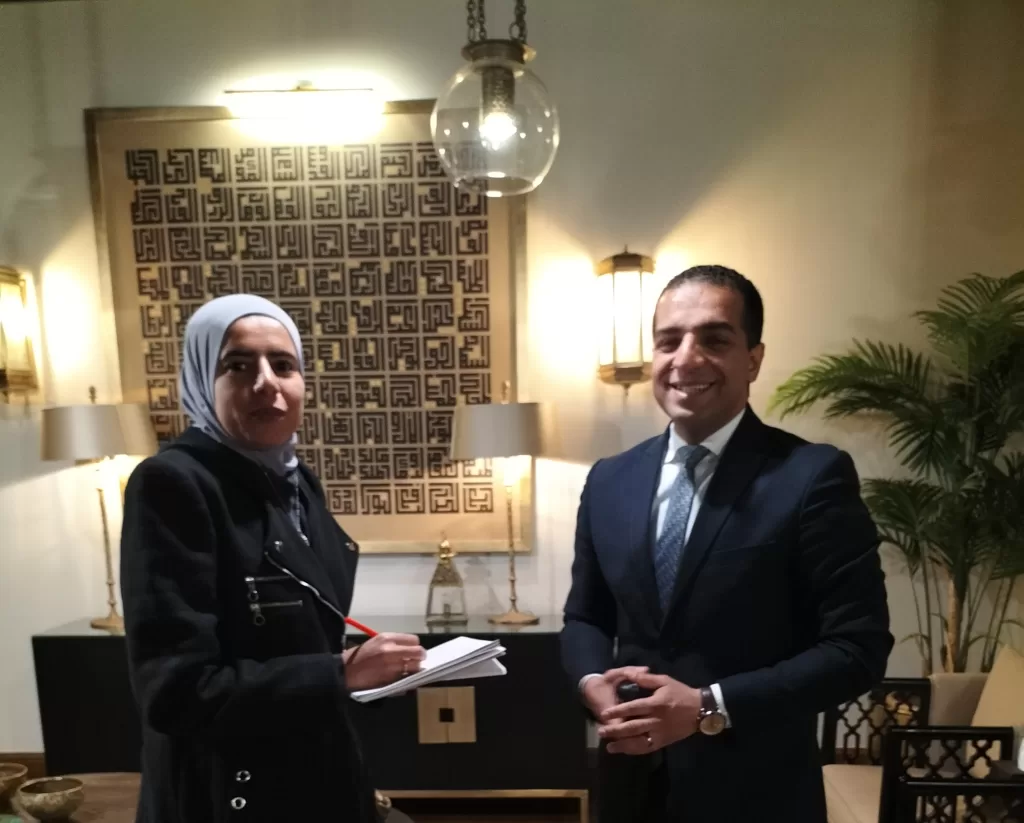
Director of the Projects Sector at the Tahya Misr Fund, Hesham Khalifa, revealed a number of upcoming activities during the coming period.
The most prominent is the launch of the “Week of Goodness” initiative, which will include tours across governorates of Egypt to provide food assistance and clothing that fully meet the needs of families, in addition to providing medical services and conducting surgical operations for eligible cases.
He also referred to co-operation with Ain Shams University Hospitals to establish a fully equipped isolation unit dedicated to paediatric oncology, offered free of charge, alongside the establishment of a fully equipped incubator unit at Abu El-Reesh Children’s Hospital.
The Executive Director also reviewed the fund’s efforts in launching the “Their Hearts Are Our Responsibility” initiative, which aims to conduct catheterisation procedures and heart surgeries for children, as part of supporting healthcare for the most vulnerable groups.
He confirmed that the fund works according to a carefully designed action plan based on studying the needs of each governorate separately, as the nature of needs differs between governorates.
Some areas need electrical appliances, while others require food support or medical services, ensuring that assistance is directed to those most in need in the best possible way.

