


Tabbet el-Shajara, located in Ismailia Governorate, was a strategically significant command post for Israeli occupation forces when they controlled Sinai.
As part of the Bar Lev Line, this post oversaw eight of 18 defence points along the Suez Canal.
The site comprised two fortified complexes connected by underground tunnels.
The first complex housed the command headquarters and operations room, while the second carried out administrative functions, including the commander’s office and personnel accommodations.
Located 74 metres above the sea level, Tabbet el-Shajara offered a commanding view of the western bank of the Suez Canal, extending from Balah in the north to Deversoir in the south.
This strategic position allowed Israeli forces to monitor movements and control a significant portion of the surrounding terrain.
Prior to the 1973 October War, Israel had invested heavily in fortifying Tabbet el-Shajara.
However, on October 6 and 7, the Egyptian Armed Forces successfully captured the strong points of the Bar Lev Line facing Ismailia.
On October 8, an Egyptian infantry battalion was tasked with seizing Tabbet el-Shajara.
In a swift operation that lasted 25 minutes only, the battalion secured the site, captured its weapons and equipment, and inflicted significant casualties on the Israeli forces.
The site’s name, derived from its distinctive tree-like structure, which was discovered through aerial reconnaissance by the Egyptian Air Force.
Israel, however, referred to it as the “head of the destructive snake,” symbolising its control over the surrounding area.
A tour of Tabbet el-Shajara reveals the remnants of the fierce battle that took place there.
Destroyed tanks and vehicles are scattered throughout the site, and three minefields remain untouched, a testament to Israeli defensive preparations.
The site also contains a variety of weapons and ammunition, including artillery shells used by the Israeli forces.
Two large trenches, concealed from aerial observation, were constructed using advanced engineering techniques.
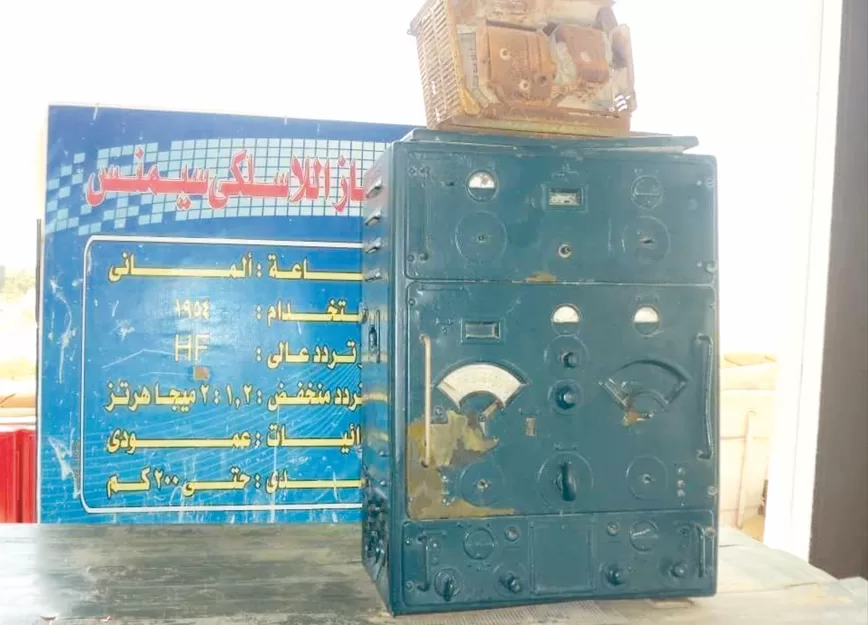
These trenches housed various facilities, including security offices, an intelligence room, communication centres, and living quarters for officers.
The walls of the trenches are adorned with photographs of Israeli leaders of the time, including Prime Minister Golda Meir, Defence Minister Moshe Dayan, and the architect of the Bar Lev Line, Haim Bar Lev.
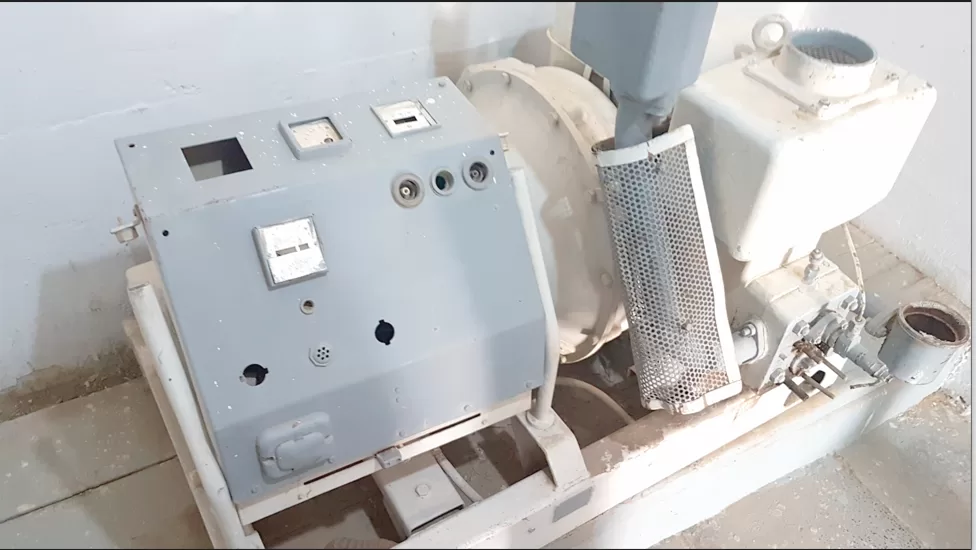
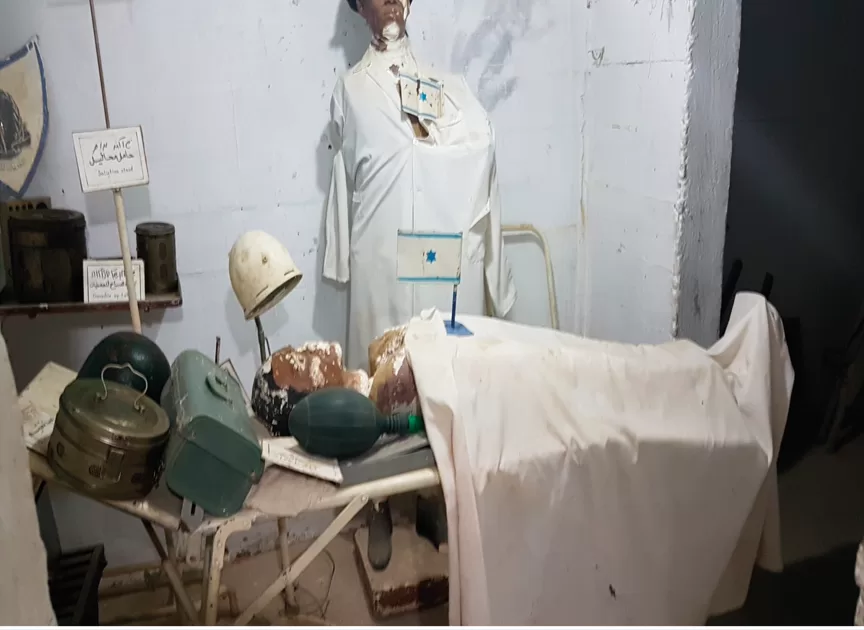
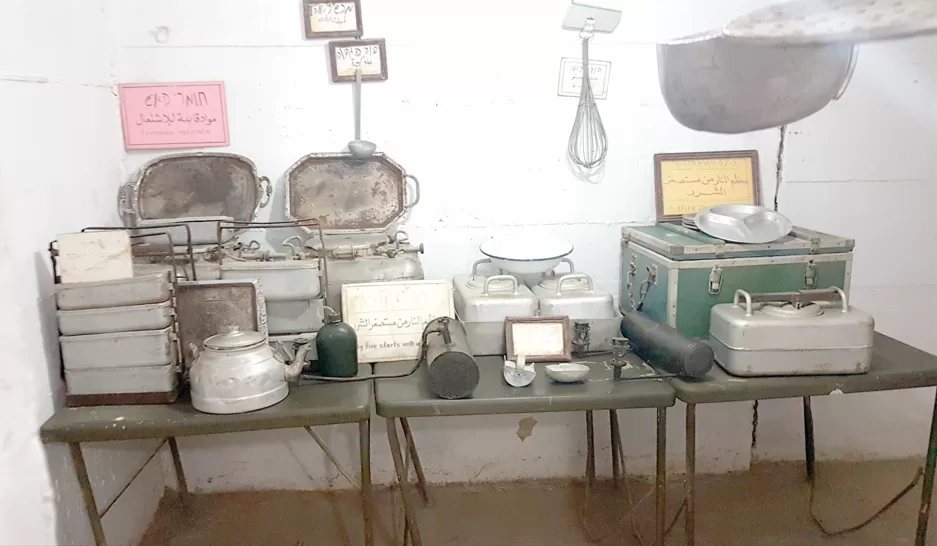
The second trench includes sleeping quarters, a kitchen, a dining room, a clinic, and an air conditioning unit.
Sound-proofing barriers were installed between the walls to ensure privacy and security.
Data and photos provided by Diaa Radwan.


Discussion about this post