


‘Combating human trafficking is not merely legal obligation, but moral, humanitarian duty’
Egypt’s Prime Minister Moustafa Madbouli affirmed that Egypt believes combating human trafficking is not merely a legal obligation, but a moral and humanitarian duty.
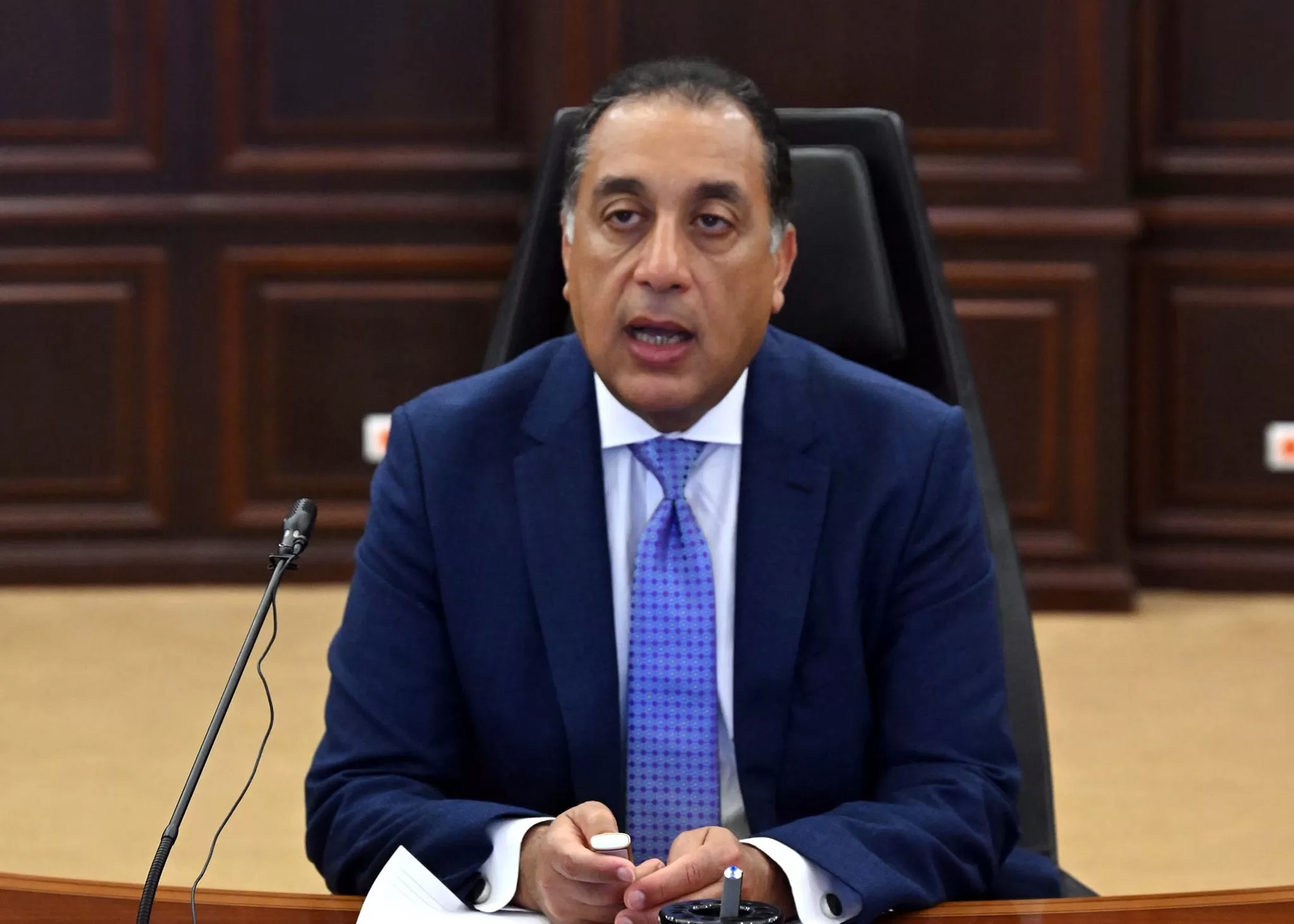
The prime minister’s remarks came in a recorded speech on the occasion of the World Day Against Trafficking in Persons, observed annually on July 30.
He noted that this year’s theme, “Human Trafficking is Organised Crime – End the Exploitation,” targets law enforcement agencies and coincides with the 25th anniversary of the UN Protocol to Prevent, Suppress and Punish Trafficking in Persons, especially women and children — a cornerstone of the international legal framework to combat human trafficking.
“Egypt was among the first countries to join this protocol,” the prime minister said, adding the country has honoured its commitments by enacting Law no. 64 of 2010 on combating human trafficking.
He reiterated Egypt’s full commitment to decisively confronting this crime that violates human dignity and threatens the security and stability of societies and nations.
He stressed that human trafficking has become one of the most serious global challenges, posing a real threat to the lives and hopes of millions of victims around the world.
Driven by its national and humanitarian responsibilities, Egypt continues its efforts on all levels to protect individuals, especially those most vulnerable to exploitation, he noted.
Over the past year, Egypt has intensified its protection efforts in line with directives from President Abdel Fattah El Sisi. Measures included increasing the number of shelters across governorates to ensure decentralisation in service provision, enhancing training for shelter staff, and implementing Cabinet Decree No. 349 of 2024, which regulates the operations of the Fund for Assisting Victims of Human Trafficking.
This fund provides financial support and health care programmes, as well as educational, training, and rehabilitation initiatives for victims.
Madbouli highlighted Egypt’s core pillars in combating human trafficking, which include strengthening the capacity of security agencies to combat organised crime, updating national legislation to align with international human rights standards, raising public awareness, expanding safe reporting channels, and fostering regional and international partnerships to enhance coordination and deliver tangible results.

