


President Abdel Fattah El Sisi has directed the government to study the launch of a national talent-scouting programme titled “State of Arts and Creativity,” seeking to replicate the success of the popular religious recitation contest “Dawlat el-Telawa” (State of Recitation) to support the country’s soft power.
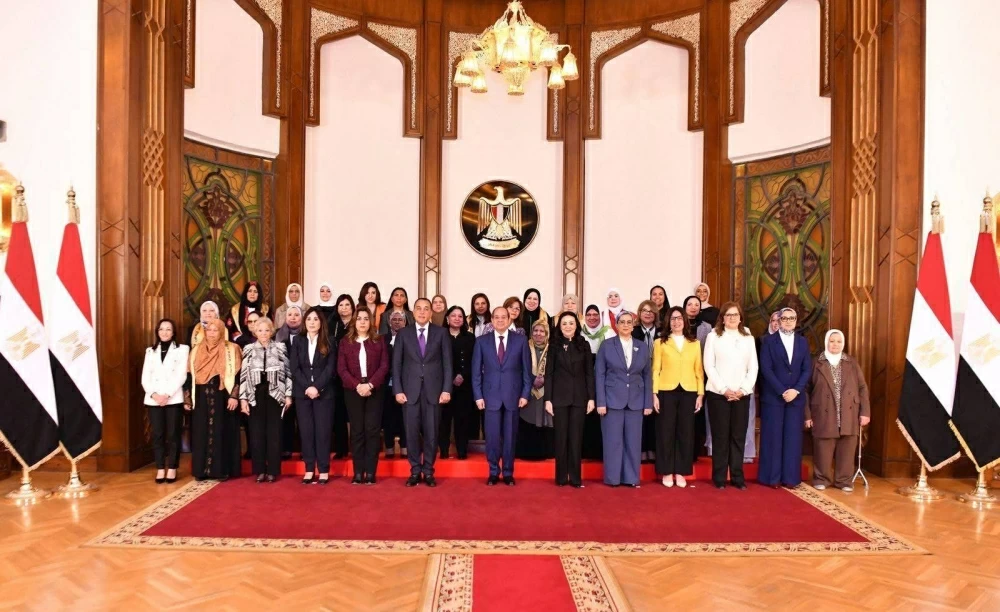
Addressing the annual ceremony honouring Egyptian Women and Ideal Mothers at the Ittihadiya Palace, on Wednesday, the president emphasised that Egypt, with its population of over 100 million, possesses a vast reservoir of human and cultural potential that often remains untapped.
“Egypt has a real opportunity to build a ‘State of Arts and Creativity’ similar to what has been achieved in other fields,” he said. He noted that while talent exists across various sectors, it does not always reach the necessary platforms for development, requiring a more “impartial” and systematic approach to discovery.
The proposed initiative is modeled after “State of Recitation,” a successful televised competition aimed at discovering young Quranic chanters and reciters. That programme utilised a rigorous six-stage elimination process, starting with contestants from across Egypt’s governorates and relying on a mix of expert evaluation and public voting.
The president’s directive aims to apply this structured scouting model to broader fields, including, fine arts: Sculpture and painting, performing arts: Music, drama, and cinema and sports:
Minister of Culture Jihan Zaki welcomed the directive, stating that the ministry is already coordinating with relevant authorities to design a programme that “befits Egypt’s cultural position.” She added that the move is central to strengthening national identity and supporting the country’s creative industries.
Political figures and analysts suggest the move is part of a broader strategy to utilize Egypt’s historical cultural influence to counter extremist ideologies.
“This vision reflects the unique Egyptian identity that blends the spiritual, seen in Quranic recitation and Coptic hymns, with the physical and artistic, from the era of the pyramid builders to the modern day,” said academic and critic Mohamed Selim Shousha.
Ahmed Abdel-Aal Khalil, head of the “Kayan Masr” Party, said the initiative reflects a state-level commitment to “integrated human development,” suggesting that investing in the arts is as vital to national security as traditional sectors.
Egypt has long viewed its film, music, and literary output as a primary tool of regional diplomacy, though critics have often called for more institutional support for independent and young artists. The president’s latest call reflects state keenness on supporting culture and young talents.

