




Egypt, Saudi Arabia deepen coordination on Gaza, regional stability
Neom talks expose Israel’s missed chances, legacy of rejectionism
Summit highlights rejection of displacement, renewed push for Arab-led settlement
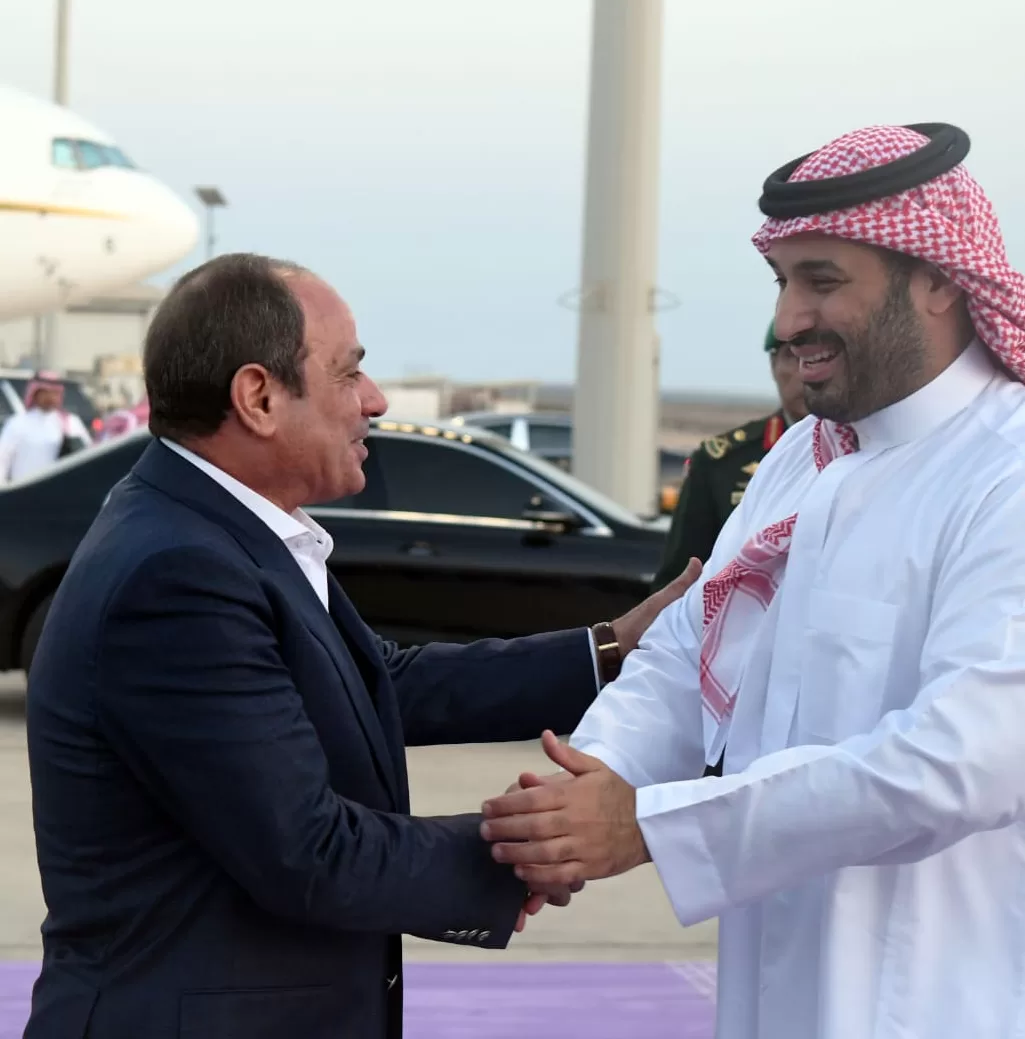
The latest summit between President Abdel Fattah El Sisi and Saudi Crown Prince Mohammed bin Salman in Neom came at a pivotal moment for the region and the Palestinian issue as a whole.
Beyond the symbolism of Egypt and Saudi Arabia’s deep-rooted fraternal ties, the meeting underscored a clear strategic alignment: both Cairo and Riyadh are determined to halt the cycle of destruction in Gaza, safeguard the Palestinian people from displacement, and push for a durable framework that can stabilise the region.
President Sisi’s remarks during the summit highlighted Egypt’s unwavering principles. He reiterated the urgent priority of ensuring the unimpeded flow of humanitarian aid to Gaza, the release of hostages and detainees, and categorical rejection of any attempt to reinstate military occupation or force the displacement of Palestinians.
These are not only humanitarian imperatives but also red lines that Egypt has consistently defended since the outbreak of the conflict.
For his part, Crown Prince Mohammed emphasised Saudi Arabia’s strategic commitment to the Arab consensus and reiterated the Kingdom’s readiness to deepen coordination with Egypt to protect regional stability.
Both leaders agreed to accelerate the launch of the Egyptian-Saudi Supreme Coordination Council as a vehicle for advancing joint political, economic, and security co-operation, signaling that their partnership is set to expand well beyond the immediate crisis.
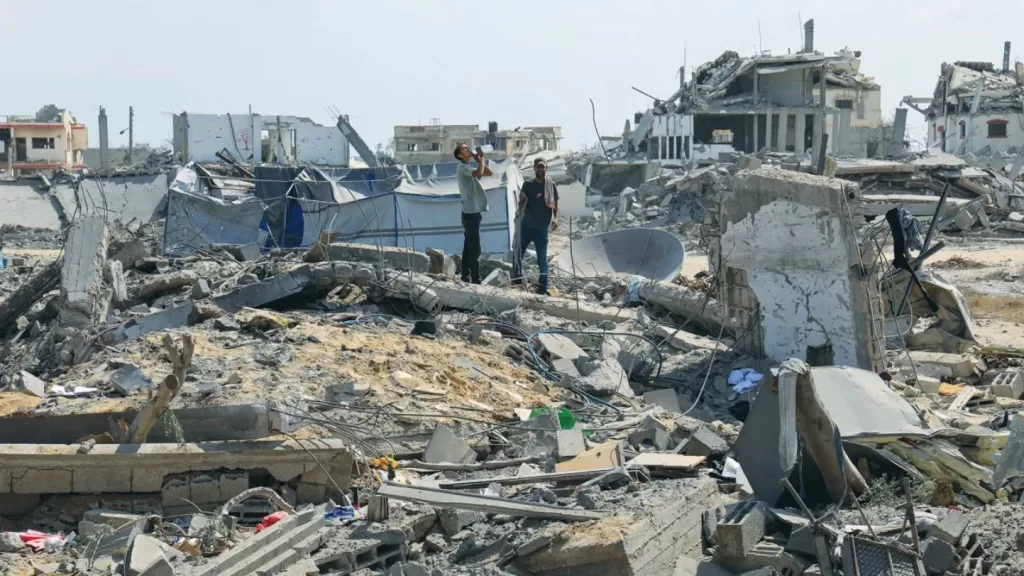
The Gaza war has once again laid bare the stark contrast between Arab diplomatic engagement and Israeli political obstinacy.
While Egypt and Saudi Arabia, backed by a wider Arab consensus, are working tirelessly to broker a ceasefire that includes humanitarian guarantees and a path towards a viable Palestinian political authority, Israel remains mired in its own historical pattern of rejectionism.
As commentators in Israel have acknowledged, Prime Minister Benjamin Netanyahu’s government appears incapable of seizing the opportunity to transform Gaza’s rubble into a foundation for Palestinian self-rule.
This political paralysis is not new. From Ze’ev Jabotinsky’s rejection of partition in the 1930s, to Menachem Begin’s dismissal of Palestinian statehood after the Camp David Accords, to Yitzhak Shamir’s sabotage of the Peres-Hussein initiative in 1987, Israeli leaders have repeatedly squandered chances for peace.
Netanyahu today risks perpetuating this legacy by resisting meaningful Arab-led frameworks for post-war Gaza.
Message of unity
The Neom meeting also carried a powerful symbolic message. President Sisi’s emphasis on the “fraternal bonds” linking Egypt and Saudi Arabia reflected more than diplomatic courtesy. It was a deliberate reminder that the Arab world’s two largest powers share a common destiny, and that their co-operation remains indispensable to confronting regional crises.
The discussions extended beyond Gaza to include broader regional challenges — from safeguarding sovereignty and state institutions across the Middle East to expanding economic integration.
By identifying key sectors for future collaboration, including industrial integration, technology, renewable energy, and transportation, both sides underscored that their partnership is not confined to crisis management, but is forward-looking and strategic.
Missed opportunities
International patience with the Gaza war is wearing thin. The US, Europe, and key Arab states, led by Egypt and Saudi Arabia, are signalling that the conflict cannot be prolonged indefinitely.
Hamas’s recent concessions in hostage negotiations are one sign of shifting dynamics, but without Israeli political courage, the path to a final settlement remains blocked.
Here lies the real test: whether Israel can move beyond its entrenched rejectionism and work with Arab partners who are offering not just a ceasefire but a framework for rebuilding Gaza and re-launching a credible political horizon for Palestinians.
If Netanyahu clings to old patterns, Israel risks not only prolonging the bloodshed but also missing a rare opportunity to align with an emerging Arab consensus.
Strategic Arab moment
For Egypt and Saudi Arabia, the stakes could not be higher. Both nations are aware that the stability of the region depends on resolving the Palestinian issue in a manner that preserves Palestinian rights, prevents displacement, and paves the way for statehood. Their coordinated diplomacy is therefore not simply about Gaza, but about reshaping the regional order around principles of sovereignty, stability, and development.
The Neom summit served as a reminder that Arab leadership, when unified and assertive, can set the terms of regional peace. The coming weeks will show whether Israel is willing to grasp this opportunity or whether it will, once again, allow history to record another missed chance.
Mohamed Fahmy is the editor-in-chief of The Egyptian Gazette and Egyptian Mail newspapers

