








The State Information Service (SIS) issued an official response to a recent report by The Economist concerning Egypt’s New Capital, reaffirming that the project represents a comprehensive national development initiative designed to serve the long-term interests of the Egyptian people.
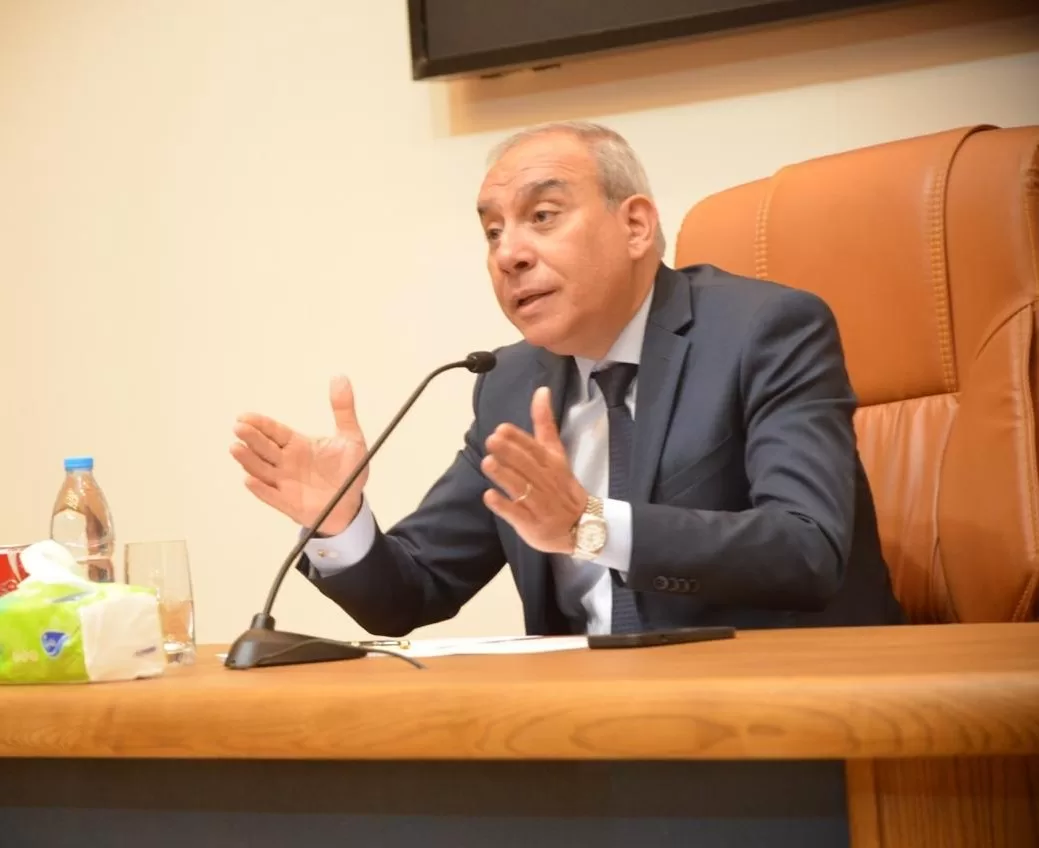
The Head of the SIS, Ambassador Alaa Youssef, confirmed that the report contained a number of factual inaccuracies and unsubstantiated claims, noting that the agency had formally addressed these issues in a detailed letter to the magazine’s editor-in-chief, outlining corrections and clarifications.
In its response, the SIS said that the report relied on incomplete and unreliable data, particularly regarding the cost of the project’s initial phase.
It further highlighted that the publication did not consult official sources, including the SIS, which serves as the primary body responsible for providing verified information to international media and correspondents.
The SIS refuted claims in The Economist’s report alleging “cronyism” in the execution of the project, stressing that such allegations are unsupported by evidence. It stated that all NAC-related contracts were awarded through transparent procedures, including open tenders and public competition.
Additionally, the SIS stated that the report underestimated Egypt’s overall strategy for urban development, which aims to establish modern, integrated communities nationwide.
The New Capital is a central component of this strategy, alongside other major national projects that contribute to job creation, economic expansion and infrastructure modernisation.
These efforts, the SIS noted, are already delivering measurable improvements in living standards for millions of citizens.
A recent article published by The Economist – widely circulated under the headline framing Egypt’s New Administrative Capital as a “pyramid scheme” – included several inaccurate and misleading claims.
The magazine described the project as an economically risky mega-development that could “bankrupt” the country, while questioning its financial sustainability and suggesting that costs and funding mechanisms lack clarity.
It also implied that the project is not driven by viable economic planning, and echoed criticisms that the development primarily serves elite interests rather than the broader population.

