




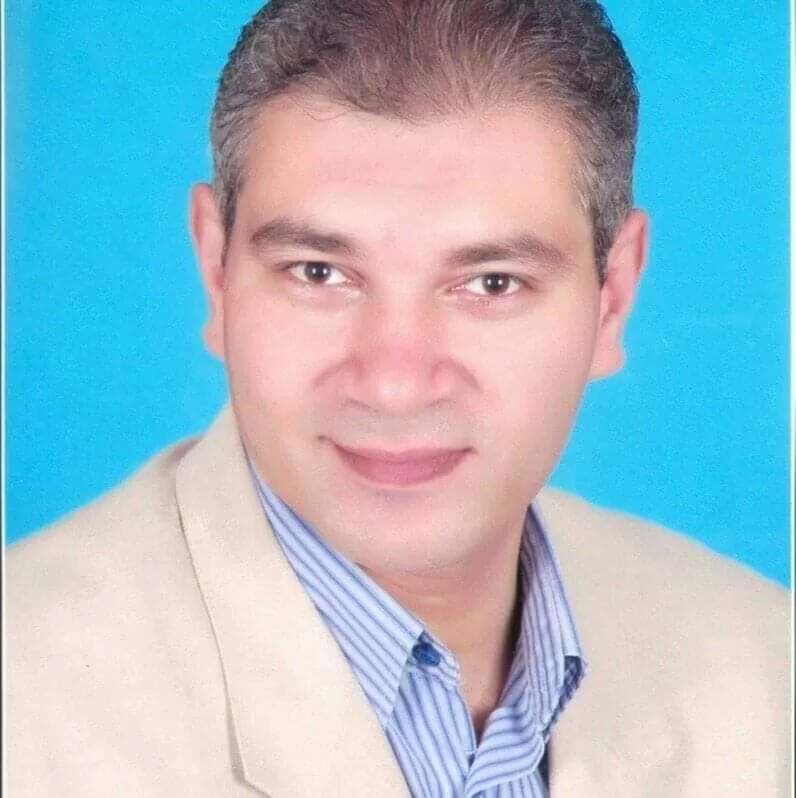
Dr Ashraf Abul Saud
Studying leadership is one of the best ways to understand human behaviour, especially how some people manage to inspire others, guide teams, and handle difficult situations.
These ideas have become very useful for examining the personalities of presidents and world leaders.
They help us see how a leader’s beliefs, personal psychology, and way of thinking influence their foreign policy decisions.
At their heart, these studies make an important distinction: dominance is power based on fear and force, while true leadership is power built on influence, vision, and the ability to guide events in a positive direction.
They also reveal how well leaders handle crises, negotiate, build alliances, or sometimes create unnecessary conflicts.
Some leaders show signs of megalomaniac paranoia, hidden motives that go far beyond what’s best for their own country.
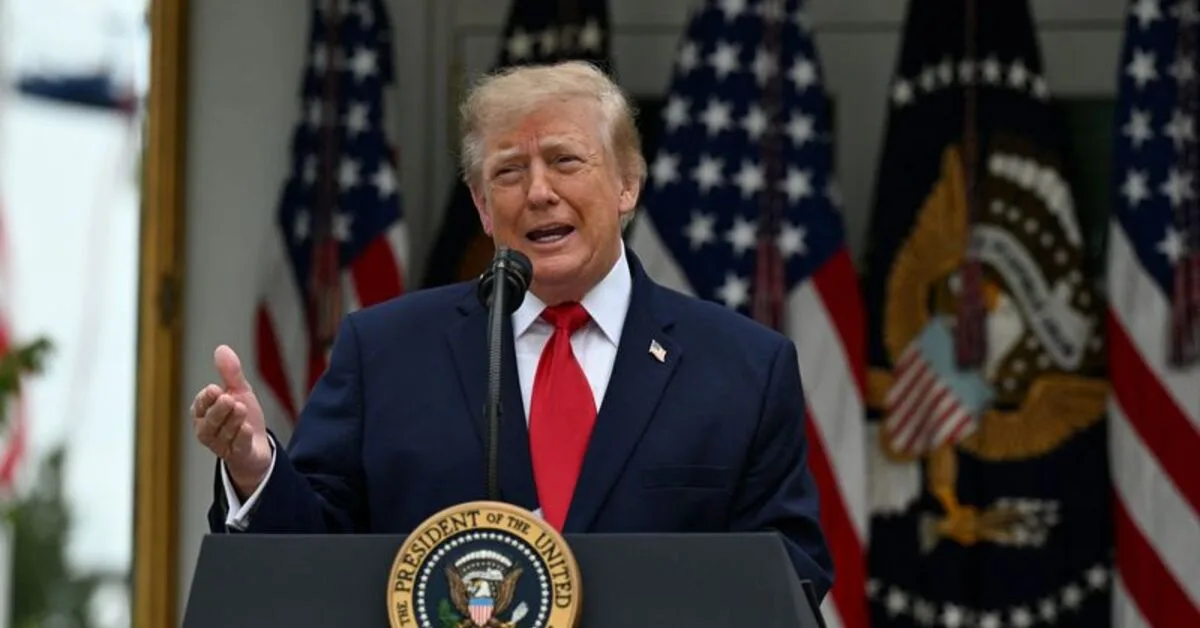
A clear recent example is President Donald Trump’s threat to bomb Oman and his strong pressure on Gulf countries to join the Abraham Accords.
Many see this as a classic saviour complex, the belief that you alone possess a special truth that can solve the world’s problems, while everyone else is too blind to understand it.
This mind-set often leads to a rigid, dogmatic way of thinking, where the person holds onto their opinions with almost religious intensity, no matter the risks.
It is usually linked to the “hero syndrome”, where someone feels the need to create or exaggerate crises so they can later appear as the hero who saves the day.
Over time, this can turn into a superiority complex, where the person believes they alone have the answers and, therefore, have the right to control others.
The real danger comes when these personal traits spread from the leader into government institutions, shaping how the entire system sees the world.
Throughout history, this kind of thinking has been used to justify foreign interventions.
Powerful countries present themselves as moral forces with a duty to “save the world”, spread democracy, and protect human rights, even if it means ignoring international law.
Critics call this modern neo-colonialism dressed up in noble words.
We have seen the results clearly in the 2003 invasion of Iraq, the 2011 intervention in Libya, and the war in Afghanistan.
In each case, these actions led to broken states, chaos, and created perfect conditions for extremist groups to rise.
In the Middle East, things get even more complicated because of religious beliefs.
Some Christian Zionist groups, especially in the US, support Israel and the escalation of conflicts, not for political reasons, but because they see it as a necessary step to fulfil biblical prophecies and bring about the Second Coming.
This mix of politics and prophecy has turned difficult diplomatic problems into what feel like unavoidable battles.
Unfortunately, this approach strengthens a narrow Western-centred view of the world that ignores the culture, realities, and hopes of other peoples.
When a superpower acts as the only mediator and self-appointed guardian, backed by military threats and shows of force, it often says more about preserving its own dominance than about genuinely solving crises.
This pattern is exactly what we are seeing in America’s current confrontation with Iran.
Driven by this saviour complex, Washington adopted a clear strategy to maintain its dominance in the region.
It positioned itself as the only legitimate mediator, insisting on controlling both the negotiations and the final outcome while deliberately side-lining other international players.
To make this work, the US relied on military intimidation and direct threats, deploying warships and forces as a show of strength.
The main goals were to control how quickly things escalated, protect its own interests, and above all, ensure the security of its closest ally in the Middle East: Israel.
Dr Ashraf Abul Saud is a writer and an international relations scholar.

