


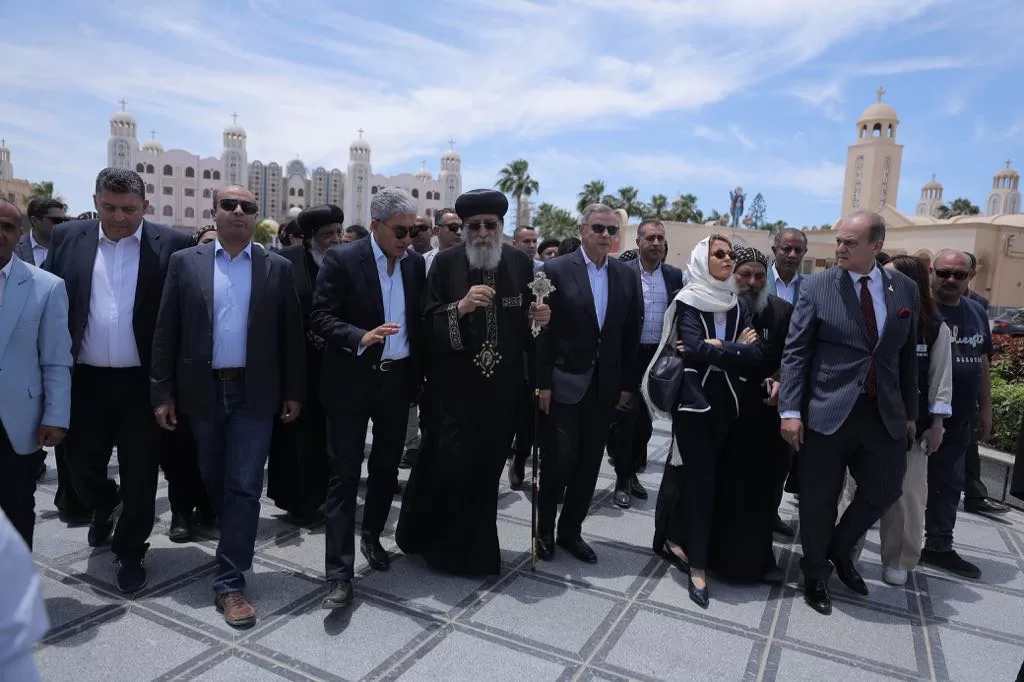
In an inspiring display of unity for the preservation of Egyptian heritage, the Abu Mena Heritage Site in Alexandria recently welcomed distinguished visitors who underscored both progress and hope for its restoration.
Egypt’s Minister of Tourism and Antiquities, Sharif Fathi, Pope Tawadros II, the Coptic Orthodox Pope of Alexandria, and Nuria Sanz, Director of the UNESCO Regional Office in Cairo, came together for an official tour that highlighted a remarkable chapter in the story of this UNESCO-listed treasure.
The Ministry of Tourism and Antiquities, in collaboration with the Coptic Orthodox Church, organised the tour.
Their visit showcased the strides made to restore Abu Mena, one of the most revered early Christian pilgrimage sites, most notably through a major LE60 million project aimed at lowering the groundwater threatening its foundations. This essential step addresses the very risks that once placed Abu Mena on UNESCO’s List of World Heritage in Danger in 2001.

These preservation efforts stem from a strong partnership between the Supreme Council of Antiquities, the monastery’s management, and UNESCO. They all share a common goal: to protect Abu Mena for future generations.
Pope Tawadros II lauded the State, the Ministry of Tourism and Antiquities, and UNESCO for their dedication to preserving this extraordinary historical and religious site, calling it a “national tourist destination.”
“This is a great work, a national image that shows the state’s keenness to preserve its civilisational heritage,” Pope Tawadros II said.
For his part, Minister Fathi emphasised the global significance of Abu Mena, highlighting the need for innovation in tourism promotion.
He underscored the importance of employing modern technology, including artificial intelligence, to foster continuous engagement with a wide audience and to spotlight the site’s unique visitor experience.
To bolster these efforts, Minister Fathi called for specialized training programs for tour guides. These programmes would equip guides with comprehensive knowledge of Abu Mena’s architectural and historical significance.
He also recommended integrating monastery-trained guides to offer more immersive experiences, especially for tourists visiting without a personal guide.
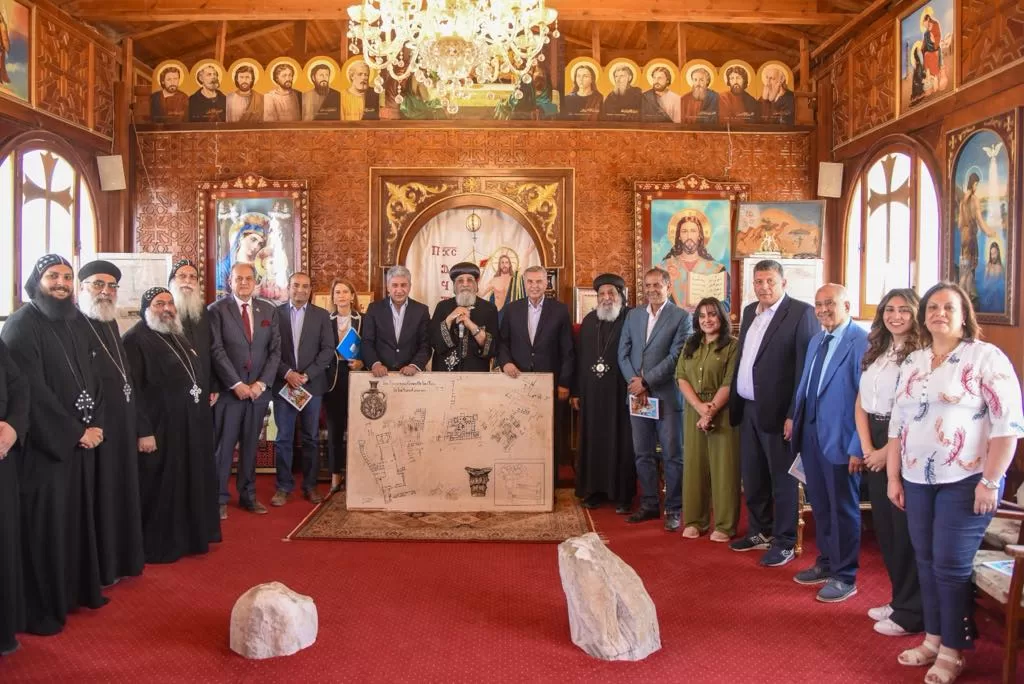
The Ministry additionally has revealed plans for a comprehensive marketing strategy for Abu Mena. This strategy will utilize digital media and interactive platforms to expand the site’s reach and appeal.
In addition, future international tourism exhibitions will dedicate space to showcase Abu Mena, following the successful promotion of the Grand Egyptian Museum and other major sites.
“Abu Mena Heritage Site is not just a religious landmark, but a symbol of common human heritage and an essential component on Egypt’s tourism and international map,” said Minister Fathi. “We will work hard to revive this site and put it in the position it deserves in accordance with its history, civilisation, and religious value.”

