




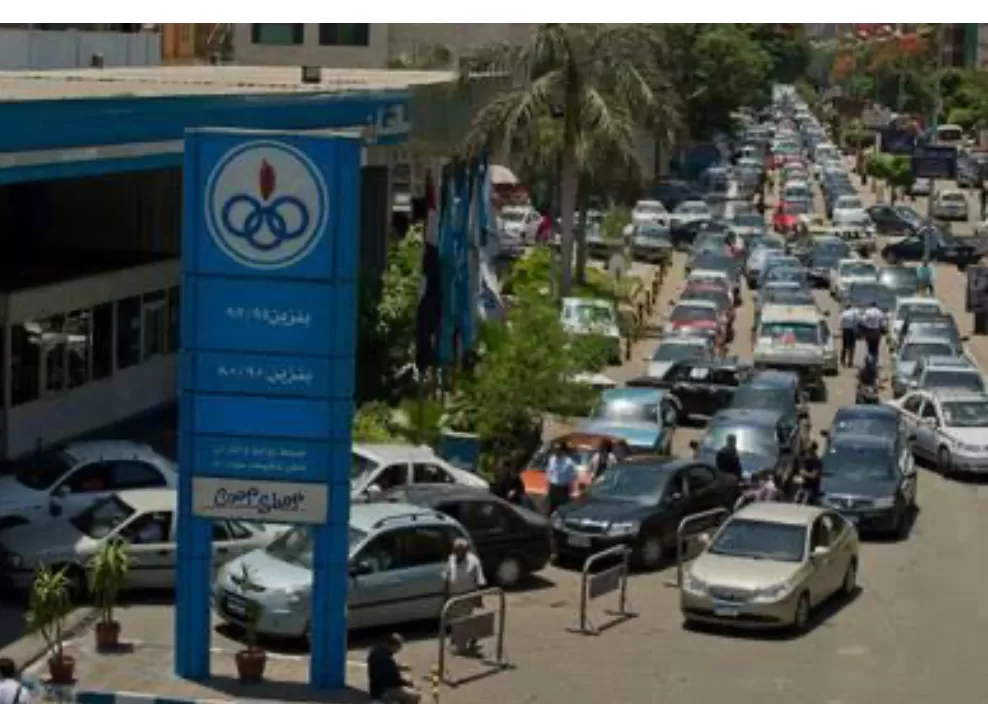
Amid rising tensions in the Middle East, driven by the ongoing confrontation between Iran and the US–Israel alliance, Egypt faces the risk of an economic slowdown.
“Egypt is considered one of the countries most affected by the impact of the conflict, after Iraq, Lebanon and Jordan,” according to economic analyst Ahmed Abu El-Saad.
Explaining Egypt’s vulnerability, El-Saad said the national economy has not yet fully recovered from previous crises.
He noted that Egypt’s reliance on imported oil is a key factor in its exposure. With global oil prices rising, the country’s trade balance deteriorated by around $3–4 billion in the last quarter. While foreign capital inflows had improved to about $7 billion before the outbreak of hostilities, they were quickly reversed, with outflows reaching $10–12 billion, according to Abu El-Saad.
However, he described the Central Bank’s management of the situation as prudent, while warning of serious consequences if the crisis persists for six months or more, potentially placing the economy under strain beyond its capacity to absorb.
He added that there is still scope for recovery.
If tensions ease, Egypt could become a preferred destination for foreign investment. In recent days, he noted a partial rebound in short-term capital inflows, suggesting a gradual restoration of investor confidence.
Economist Mohamed Hamza El-Husseiny argued that the current events should be seen within a broader context, describing them as more than a bilateral conflict and instead as a “war of maritime corridors”.
He pointed to the strategic importance of shipping routes such as the Strait of Hormuz, through which around 20 per cent of global oil and gas supplies typically pass, and which has seen a sharp decline in shipping activity.
In Egypt’s case, he said, these global shocks are translating into domestic pressures. State policies to manage consumption and adjust working hours should be viewed not only as austerity measures, but also as steps aimed at reducing import costs and conserving foreign exchange reserves.
Broader geopolitical rivalries among major powers, including the United States, China and Russia, risk pushing the global economy into an unprecedented phase of instability, El-Husseiny added.
Against this backdrop Egypt’s focus on domestic stability, energy security and proactive policymaking is really significant, he said.
Nevertheless, the outlook remains uncertain. Whether Egypt’s economy withstands external pressures or rebounds will depend less on domestic measures and more on how the wider conflict unfolds.

