


Minister of Local Development, Manal Awad, monitored on Wednesday the operations at the Ministry’s National Emergency Network Centre in the New Administrative Capital, overseeing nationwide efforts to manage rainwater and mitigate the impact of adverse weather conditions affecting several governorates.
She also held a video conference with governors to review measures implemented in response to the unstable weather.
In response, a state of full alert has been declared across local units, with field teams deployed to address water accumulation on main and secondary roads, streets and public squares.
Designated operational zones have been established for governors and executive teams, alongside defined survey routes to ensure rapid assessment and intervention while maintaining mobility, the ministry said in a statement.
Following recommendations from Head of the Administration Sector within the Ministry of Local Development, Saeed Helmy, enhanced monitoring mechanisms have been activated.
This resulted in the temporary closure of Burullus and Hurghada ports due to instability in Kafr el-Sheikh and the Red Sea governorates.
Several regions have experienced moderate to heavy rainfall, prompting coordination with water and sanitation authorities to drain accumulated water.
Equipment and service vehicles have been widely-deployed to respond swiftly to any developments, the minister noted.
The minister directed officials to sustain field presence and operate water-pumping vehicles through Thursday, particularly in coastal areas.
She stressed the importance of coordination with neighbouring governorates to ensure resource availability and continuity of essential services, including water, electricity and sanitation.
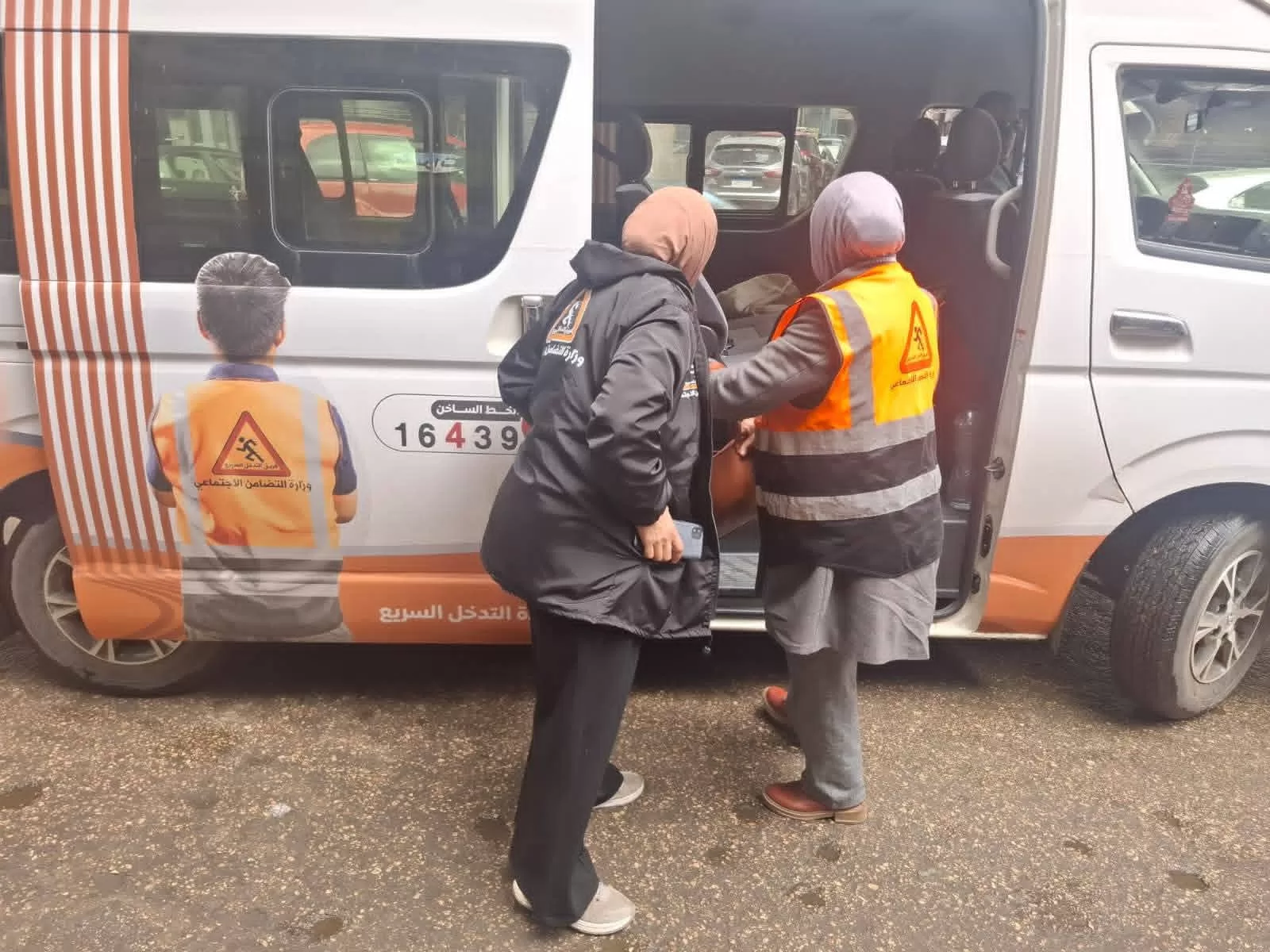
Meanwhile, Minister of Social Solidarity, Maya Morsi, has significantly intensified field operations to support vulnerable groups, particularly homeless individuals, in light of the deteriorating weather conditions.
Specialised outreach teams are operating around the clock across governorates, conducting organised patrols in streets, public squares and transport hubs, with a focus on areas known to have high concentrations of individuals without shelter.
These teams are equipped with rapid response vehicles, including specially prepared units, enabling immediate intervention.
Their operations involve identifying vulnerable individuals, assessing urgent needs on-site and providing direct assistance, including hot and cold weather blankets, basic medical care and psychological support where necessary.
In more critical cases, individuals are transported to social care facilities that offer safe accommodation, healthcare services and rehabilitation programmes designed to ensure dignity and long-term stability.
The ministry has adopted a proactive approach, responding immediately to reported cases, including those received during recent rainfall episodes.
Rapid intervention units have already evacuated a number of at-risk individuals during periods of severe weather.
Field teams are also working to address challenges linked to overcrowded living conditions, which may exacerbate health risks during cold and wet conditions, particularly for children and the elderly.
In addition, the ministry continues to coordinate closely with the central operations room in the New Capital to ensure efficient communication, resource allocation and continuity of response efforts.

