







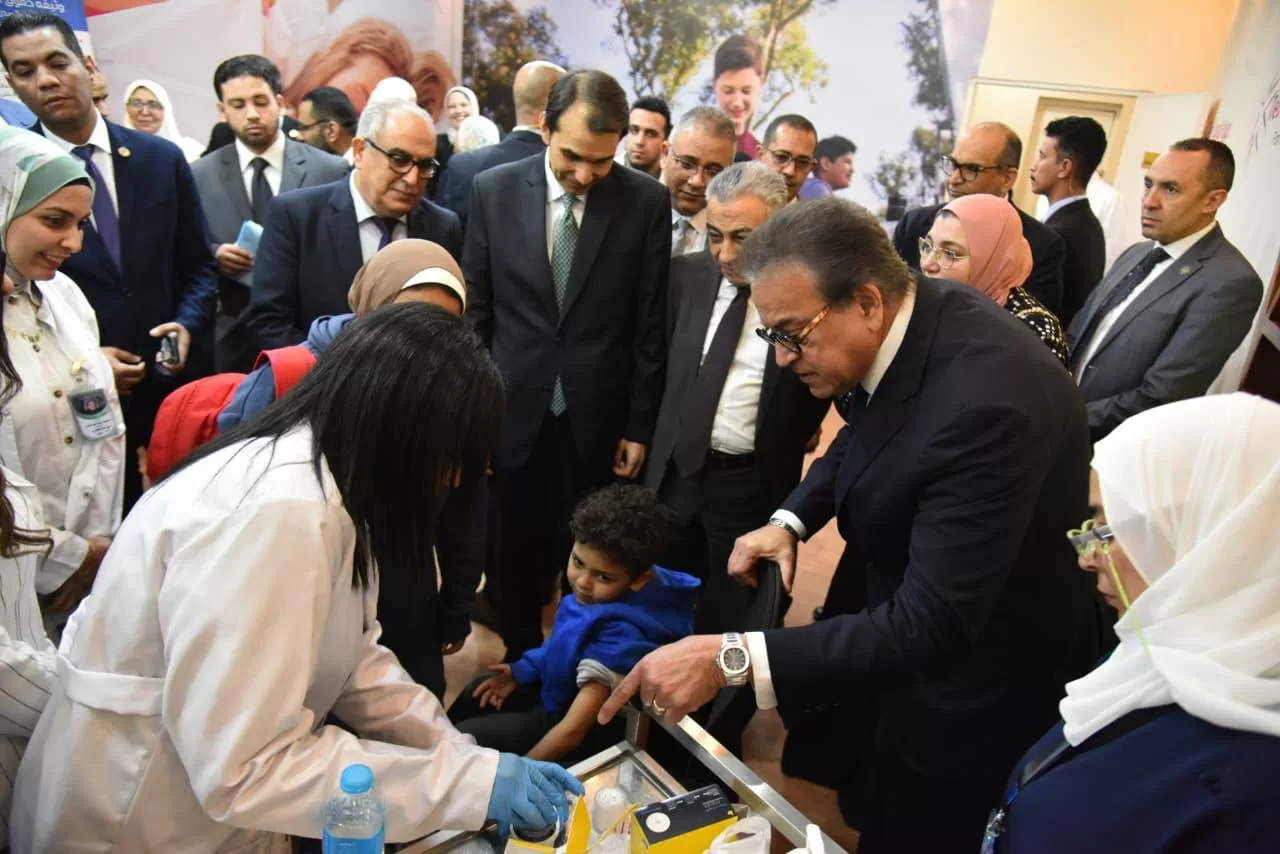
Minister of Health and Population Khaled Abdel Ghaffar on Saturday launched a presidential initiative aimed at supporting children with Type 1 diabetes, through the provision of advanced glucose monitoring technologies that eliminate the need for traditional finger-pricking.
The initiative seeks to improve children’s health outcomes and promote safer, healthier living conditions. Abdel Ghaffar affirmed that the programme has received strong backing from President Abdel Fattah El Sisi since its inception last month.
It has been incorporated into the national presidential public health initiatives, reflecting the state’s commitment to easing the burden on affected children and their families.
The initiative is implemented and fully funded in co-operation with key partners from the private sector and civil society, including the Central Bank of Egypt, Commercial International Bank, National Bank of Egypt, and the Emergency and Rare Diseases Fund.
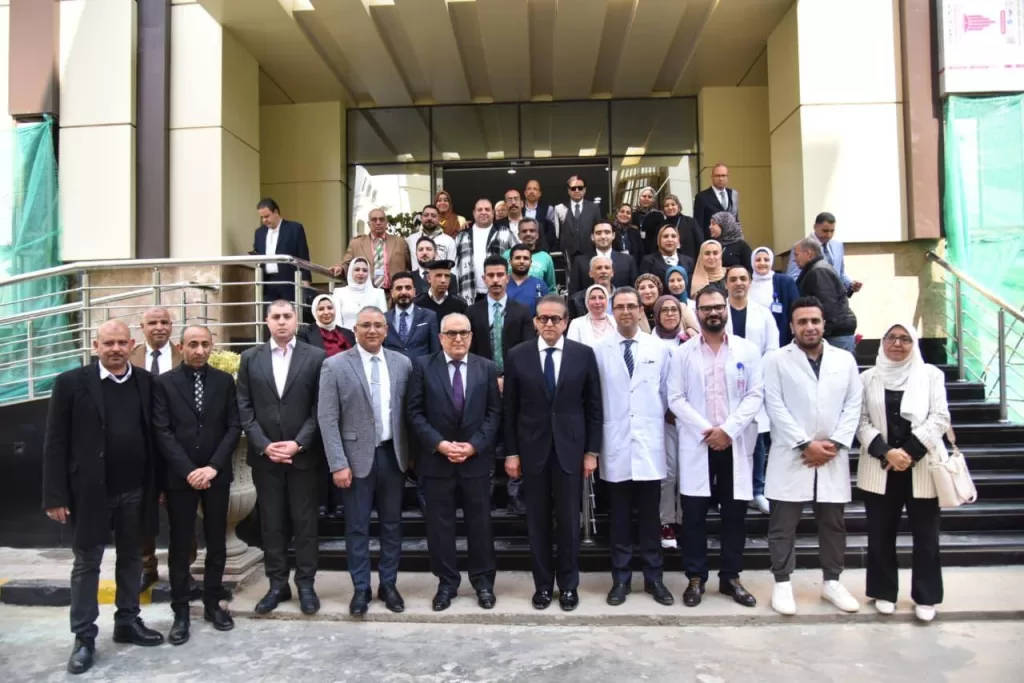
The minister noted that Egypt is advancing a health strategy focused on prevention and reducing complications, particularly given that approximately 55,000 children aged between one and 18 are living with Type 1 diabetes nationwide.
He added that the initiative is guided by precise criteria developed by a specialised scientific committee comprising experts from the Ministry of Health, ensuring that services reach those most in need while minimising risks associated with irregular monitoring.
The initiative also aims to alleviate the psychological burden on children, as traditional glucose testing can require up to 3,650 finger pricks annually.
The pilot phase was launched last month at Egypt Children’s Hospital, with 55 sensors installed as an initial step toward nationwide expansion. Plans are underway to establish eight centres across the country by the end of the year, followed by at least one centre in each governorate in co-operation with supporting partners and civil society.
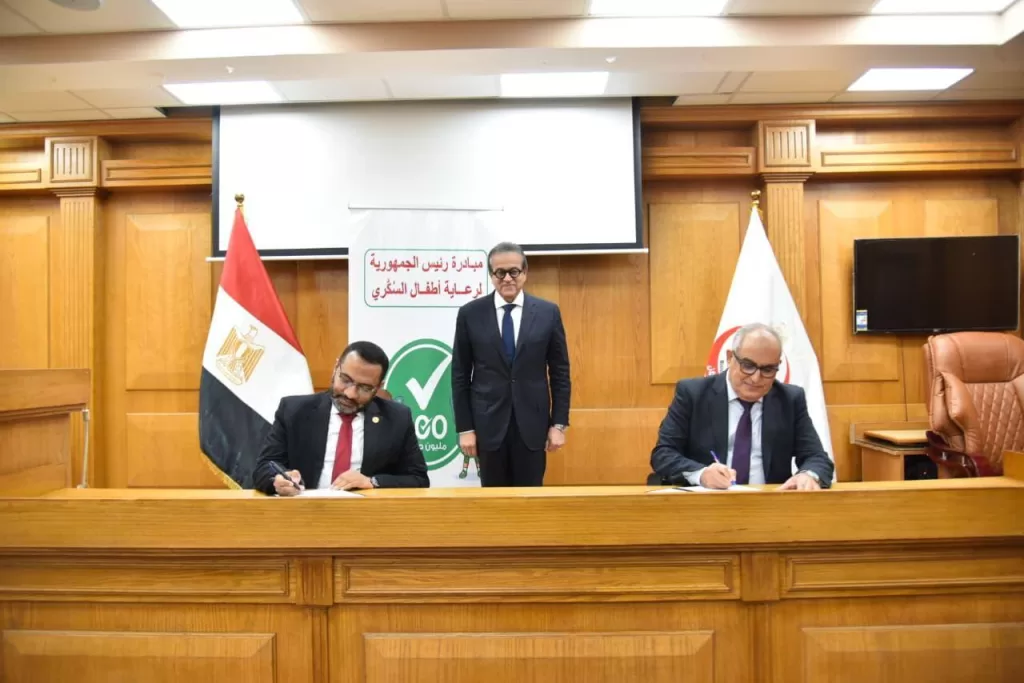
Targeting children aged four to six with Type 1 diabetes, the initiative offers a comprehensive care package, including continuous glucose monitoring devices (at a rate of two sensors per month), caregiver training, regular medical check-ups, technical support, health education, and necessary laboratory testing. The programme aims to reach approximately 5,000 children over the next five years.

