


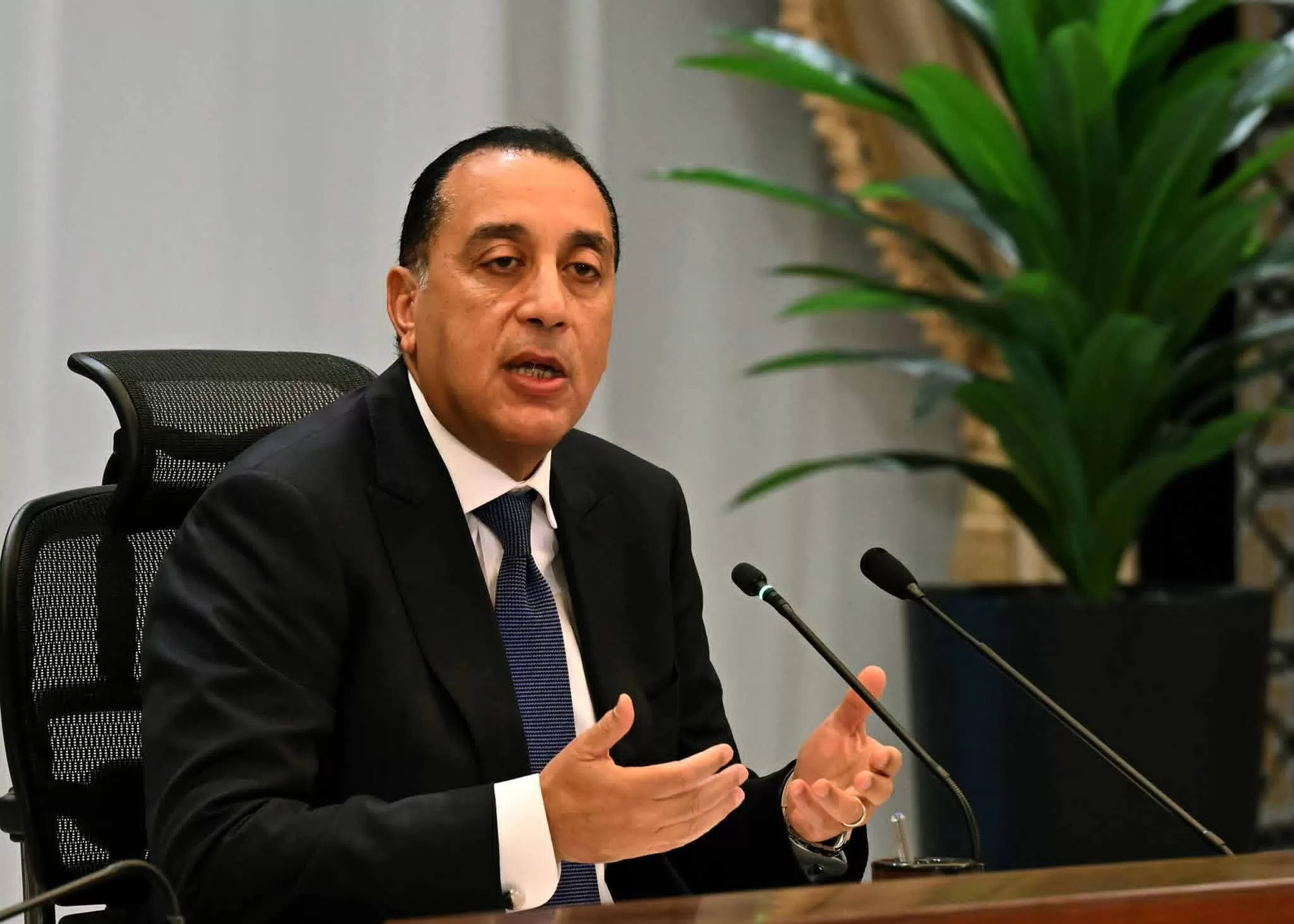
Egyptian Prime Minister Moustafa Madbouli affirmed on Tuesday that the state has secured its needs of strategic commodities for several months to ensure market stability and meet citizens’ requirements.
He also stressed that there will be no power outages and no interruption of gas supplies to factories, emphasising that Egypt does not face a foreign currency crisis nor has restrictions on importing any goods in any quantities.
Madbouli further underscored that the state will not tolerate monopolistic practices and possesses the legal mechanisms to act decisively against violators.
These statements were delivered during an expanded press conference held at the government headquarters in the New Administrative Capital.
Ministers of Electricity, Finance, Supply, Petroleum, and the Minister of State for Information took part in the conference, which addressed the repercussions of recent regional developments and the American-Israeli operations in Iran.
Although Egypt is not directly involved in the conflict, it is inevitably affected.
Madbouli pointed to the closure of the Strait of Hormuz, disruptions in Red Sea navigation from Bab el-Mandeb, and attacks on oil facilities, all contributing to global energy price hikes and supply chain instability, said the Cabinet Spokesman Ambassador Mohamed el-Homosani.
“The duration of the war remains unpredictable, which represents the greatest challenge,” Homosani quoted Madbouli as saying.
Madbouli explained that Egypt had proactively prepared for such scenarios months in advance, noting that the measures included securing gas and petroleum supplies, bringing in regasification vessels, increasing domestic production, settling dues with foreign partners, and signing contracts for preferential gas shipments.
Consequently, Egypt is fully prepared to maintain stable electricity and gas supplies.
He added that over 106 new exploratory wells will be drilled this year to boost local production and reinforce Egypt’s role as a regional energy hub.
Regarding essential commodities, the prime minister confirmed that reserves of wheat, sugar, oil, meat, poultry, and other staples are secured for months.
The government aims to procure nearly five million tonnes of local wheat this harvest season, supported by increased procurement prices to encourage farmers and expanded cultivation areas.
On exchange rates, Madbouli affirmed Egypt’s commitment to a flexible exchange system based on supply and demand, stressing that foreign currency reserves are sufficient and markets remain stable.
He cautioned against rumours and price manipulation, warning that exceptional temporary measures may be taken only if the war prolongs and global prices surge significantly.
He concluded by expressing hope that international efforts will prevail in halting the war, as its continuation benefits no one.

