



Prime Minister Moustafa Madbouli reaffirmed the government’s commitment to restoring and revitalising historical and heritage sites across Egypt as part of a comprehensive strategy to preserve the nation’s rich civilisational legacy and enhance its tourism appeal.
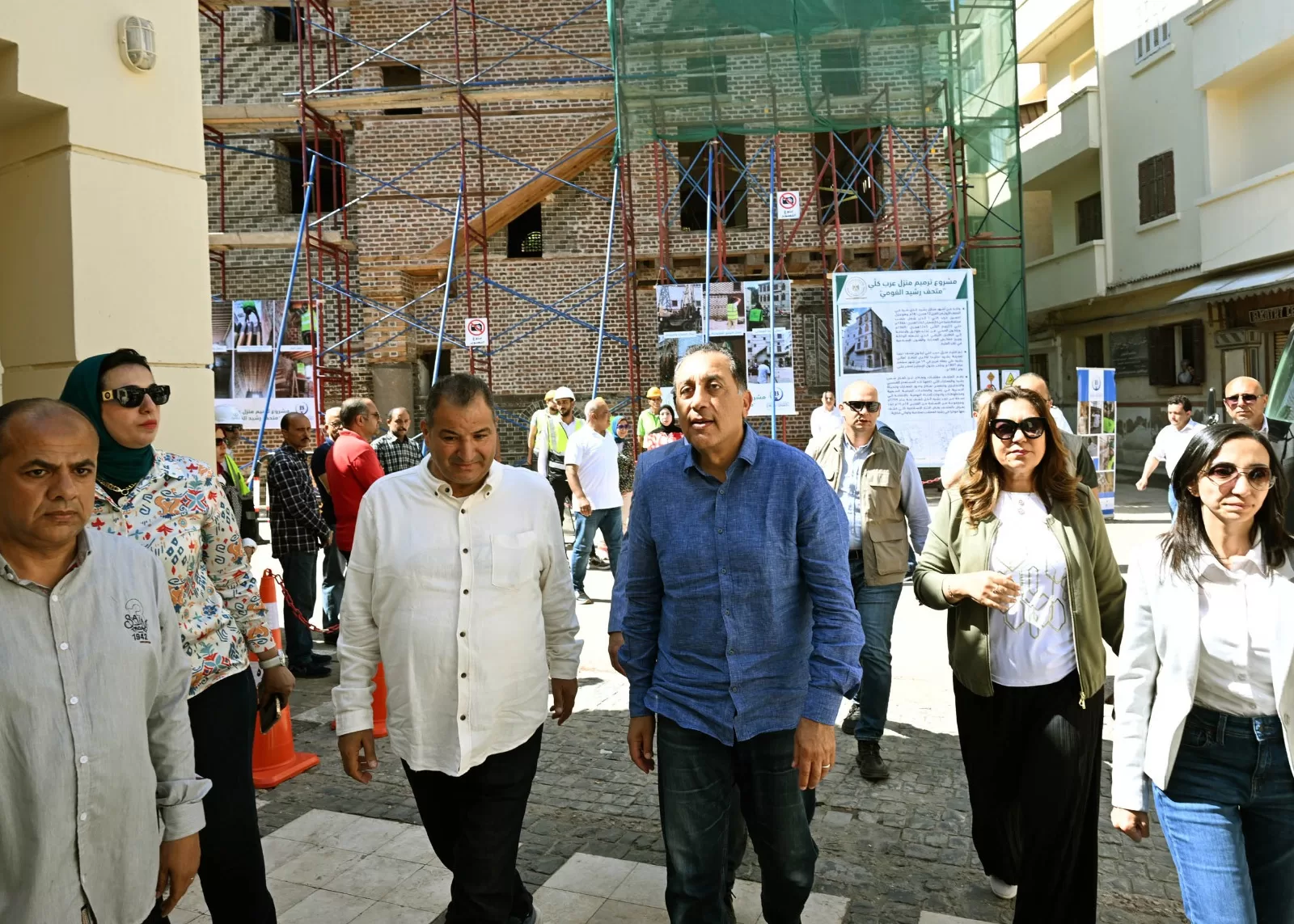
The remarks came during the prime minister’s inspection of restoration and rehabilitation works at the Rashid National Museum, as part of his tour of Beheira Governorate on Saturday.
Madbouli said the development of areas surrounding historic landmarks aims to transform them into open-air museums that highlight Egypt’s vast archaeological, historical, and cultural treasures. He pointed to the extensive restoration and development efforts underway in Historic Cairo and other heritage locations, which reflect the richness of Egyptian civilisation through successive eras.
He added that the ongoing efforts to revive historical and heritage sites are part of an integrated national plan to increase tourist arrivals and promote Egypt’s diverse tourism destinations. Madbouli highlighted the country’s unique range of tourism attractions, which strengthens its ability to draw more visitors from around the world.
For her part, Beheira Governor Jacqueline Azar said the governorate is continuing efforts to restore and upgrade numerous historical and heritage sites in coordination with relevant authorities. She noted that these projects aim to preserve Beheira’s archaeological and historical assets, encourage tourism, and showcase monuments distinguished by their unique architectural character, including both civil and religious structures.
During his visit to the Rashid National Museum, Madbouli received a briefing from Hisham El-Leithy, Secretary-General of the Supreme Council of Antiquities, who said that Arab Killy House, currently home to the museum, is among the most significant historic residences in Rashid. The building dates back to the first half of the 12th century AH (18th century AD) and is attributed to Hussein Arab Killy, who served as governor of Rashid between 1844 and 1849.
El-Leithy explained that the house represents a distinctive example of Islamic architecture and decorative arts. It comprises three upper floors above a ground floor that was originally used as a commercial agency and storage area.
The building was later converted into a national museum commemorating the victory of Rashid’s residents against the Fraser Campaign in 1807. The museum features a wide range of artefacts and displays documenting the resistance of the city’s inhabitants to the French and British occupations, alongside exhibits depicting daily life, family traditions, and traditional crafts in Rashid.
El-Leithy also reviewed the progress of the ongoing restoration works, including the renovation of the museum’s façades and interior floors, as part of efforts to restore its historical and architectural value.

