





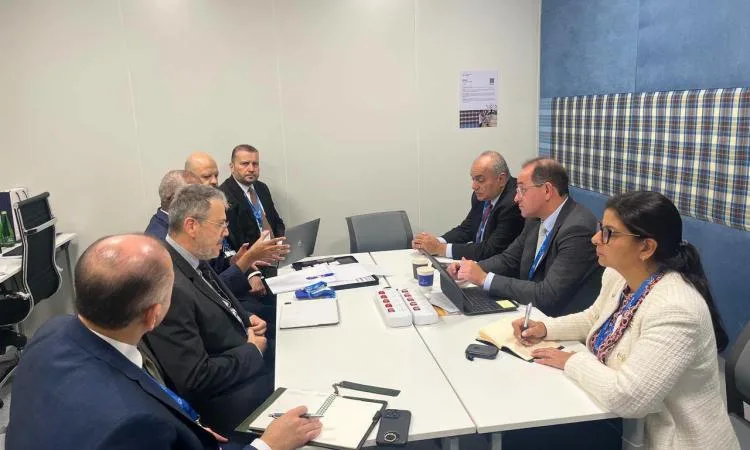



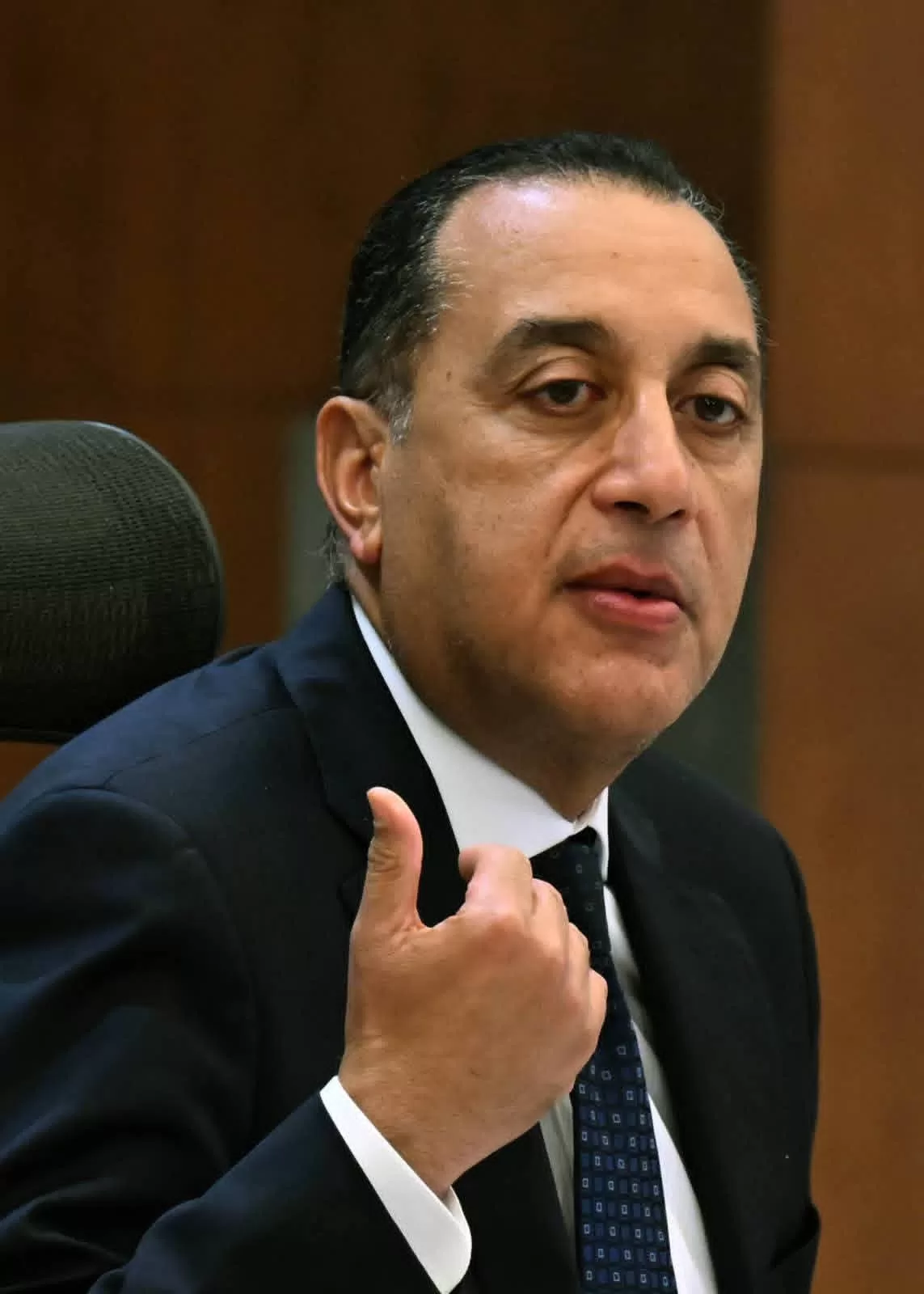
Egypt’s Prime Minister Moustafa Madbouli reaffirmed on Wednesday that leading international companies in the petroleum sector have committed to investing more than $19 billion in Egypt over the next three years.
These investments, involving major global firms such as Eni, BP, Arkhios and Apache, underscore growing international confidence in the strength and resilience of the Egyptian economy.
During a press conference held at the government headquarters in the New Capital, Prime Minister Madbouli expressed his pride in Egyptian engineers and workers operating the drilling rig “Al-Qahir 2”.
He highlighted their exceptional competence and professionalism, noting that their performance has earned strong praise from international partners.
As part of ongoing economic reforms, Madbouli announced a government plan to offer shares in approximately 30 state-owned enterprises on the Egyptian Stock Exchange.
This step is aimed at expanding ownership, encouraging broader citizen and investor participation, and strengthening the role of the private sector in driving economic growth.
During the conference, the prime minister reviewed a range of positive economic and sectoral indicators.
In the energy sector, he noted a significant reduction in outstanding dues to foreign oil partners—from $6.1 billion to $714 million—with a target to fully settle these obligations by the end of June 2026, thereby supporting further investment inflows.
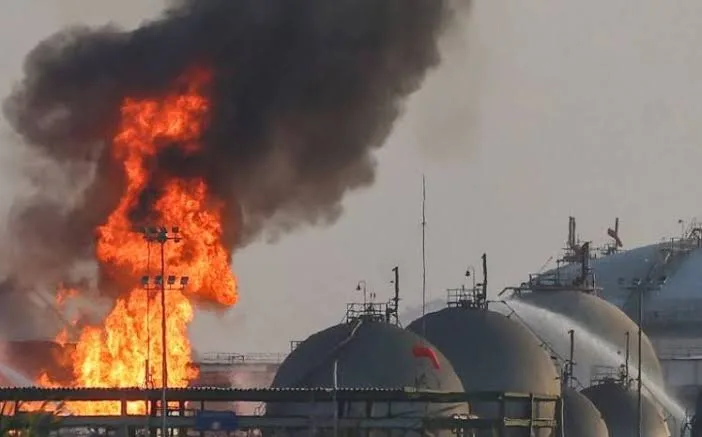
He also announced a new natural gas discovery in the Abu Madi area in Kafr El-Sheikh, expected to add approximately 50 million cubic feet per day to production.
In parallel, development efforts continue at the Dennis field, which holds reserves exceeding 2 trillion cubic feet and is projected to produce between 500 and 600 million cubic feet per day.
In the renewable energy sector, the government is advancing its strategy to increase the share of renewables to 45% of total energy generation by 2028.
This includes the addition of 4,750 megawatts of wind power capacity and 4,000 megawatt-hours of energy storage.
The prime minister also highlighted updates to the Mineral Resources Law, efforts to maximise the value of natural resources, and initiatives to localise energy-related industries.
New industrial projects will be required to incorporate renewable energy components, alongside expanded incentives for solar energy adoption.
On the macroeconomic front, Egypt recorded a growth rate of 5% in the third quarter, alongside a gradual decline in inflation, reflecting ongoing efforts to stabilise prices.
Twelve state-owned companies have already been listed on the stock exchange, with procedures completed for additional listings.
Further developments include the signing of a $900 million agreement to expand the aluminium complex in Naga Hammadi, strengthened cooperation with Lebanon in the natural gas sector, and the referral of the Personal Status Laws to Parliament.
A joint committee has also been formed to ensure broad societal consensus on the proposed legislation.

