



By Mohamed Attia
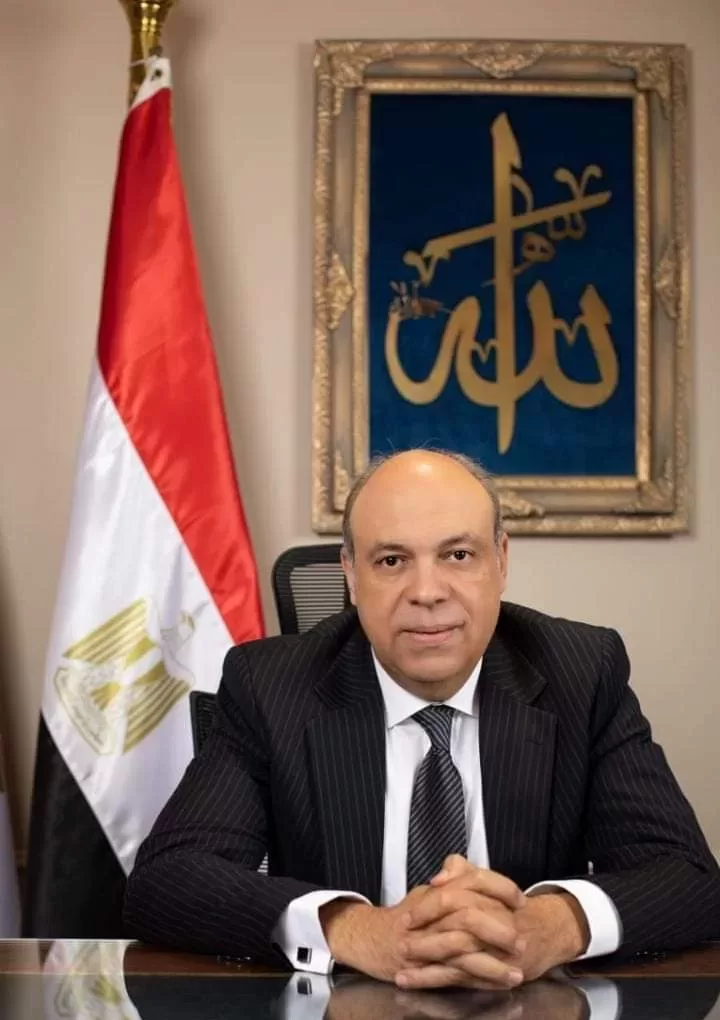
The Civil Aviation Minister, Sameh El-Hefny, has announced that Egypt is pressing ahead with a comprehensive plan to modernise its airport network. The strategy involves adopting advanced operating models, drawing on international expertise, and transferring global best practices to domestic professionals.
The modernisation programme is designed to improve operational efficiency, enhance passenger services, expand airport capacity, and support the ongoing growth of air traffic and tourism.
Mr El-Hefny made the comments during a series of meetings convened to review the final stages of a scheme to tender the management and operation of Hurghada International Airport. The project is being delivered in cooperation with the International Finance Corporation (IFC), which is providing advisory support for public-private partnership initiatives.
The meetings were attended by the Permanent Undersecretary of the Ministry of Civil Aviation, Amr Nagaty; the Chairman of the Egyptian Holding Company for Airports and Air Navigation, Ayman Fawzy Arab; and the Chairman of the Egyptian Airports Company, Wael El-Nashar; alongside IFC representatives and specialists from both sides.
The initiative forms part of the state’s broader strategy to develop Egypt’s civil aviation sector and expand private sector participation in airport management and operations. The move aligns with the objectives of the State Ownership Policy Document and seeks to enhance airport performance in accordance with leading international standards.
During the discussions, officials reviewed the progress of the programme and the final steps required to launch the tender process, which aims to ensure the highest levels of transparency, competitiveness, and efficiency. The scheme is expected to strengthen airport operations and raise the quality of services provided to travellers.
Mr El-Hefny stated that the initiative reflects the government’s commitment to increasing private sector involvement as a strategic development partner. By using professional operating models, the state intends to maximise the efficiency of national assets, improve economic returns, and ensure the sustainable development of the civil aviation sector.
However, the minister reaffirmed that the state will retain ownership of Egypt’s airports and maintain full sovereignty over all related assets, describing this as a fundamental national principle.
The programme is proceeding according to its established timeline and will soon enter its next implementation phases, Mr El-Hefny added. The forthcoming stage will involve completing executive procedures designed to enhance the competitiveness of Egyptian airports, strengthen their position as regional aviation hubs, support the goals of Egypt Vision 2030, and drive sustainable growth across both the aviation and tourism sectors.

