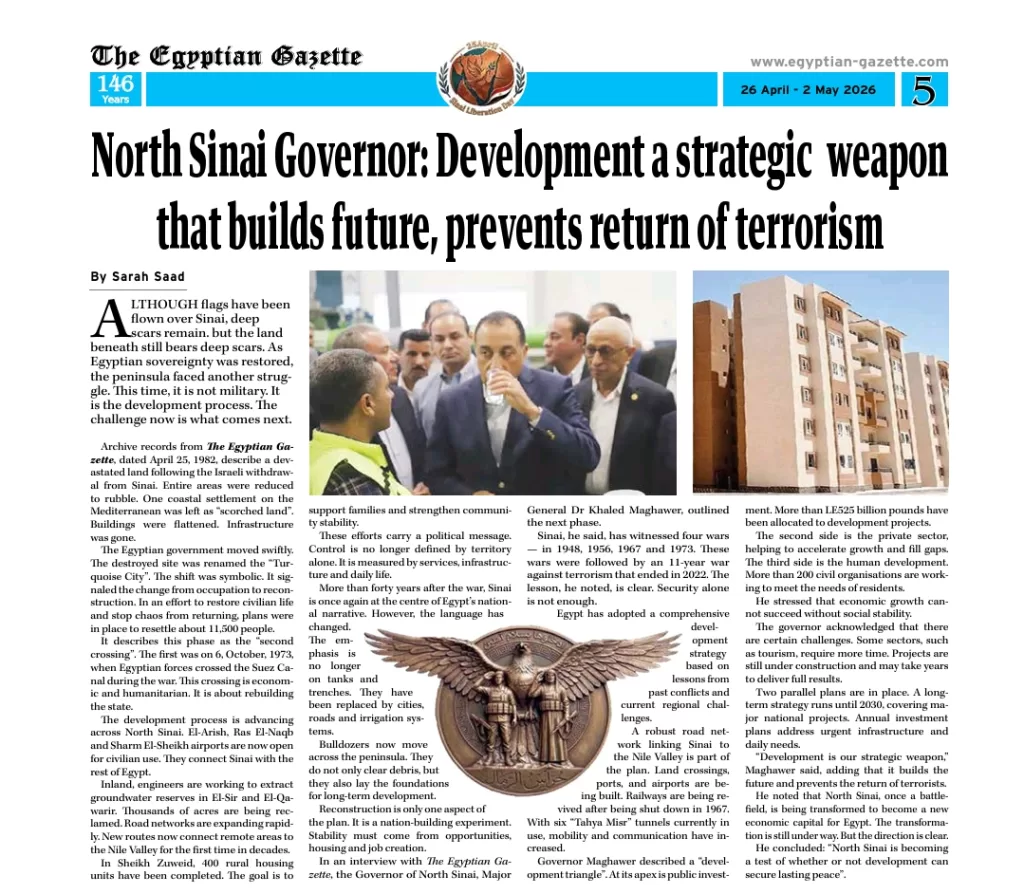




Although flags have been flown over Sinai, deep scars remain, but the land beneath still bears deep scars. As Egyptian sovereignty was restored, the peninsula faced another struggle. This time, it is not military. It is the development process. The challenge now is what comes next.
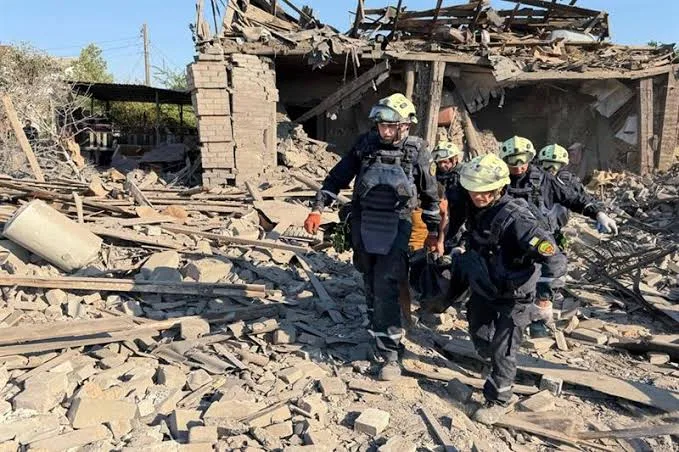
Archive records from The Egyptian Gazette, dated April 25, 1982, describe a devastated land following the Israeli withdrawal from Sinai. Entire areas were reduced to rubble. One coastal settlement on the Mediterranean was left as “scorched land”. Buildings were flattened. Infrastructure was gone.
The Egyptian government moved swiftly. The destroyed site was renamed the “Turquoise City”. The shift was symbolic. It signaled the change from occupation to reconstruction. In an effort to restore civilian life and stop chaos from returning, plans were in place to resettle about 11,500 people.
It describes this phase as the “second crossing”. The first was on 6, October, 1973, when Egyptian forces crossed the Suez Canal during the war. This crossing is economic and humanitarian. It is about rebuilding the state.
The development process is advancing across North Sinai. El-Arish, Ras El-Naqb and Sharm El-Sheikh airports are now open for civilian use. They connect Sinai with the rest of Egypt.
Inland, engineers are working to extract groundwater reserves in El-Sir and El-Qawarir. Thousands of acres are being reclaimed. Road networks are expanding rapidly. New routes now connect remote areas to the Nile Valley for the first time in decades.
In Sheikh Zuweid, 400 rural housing units have been completed. The goal is to support families and strengthen community stability.
These efforts carry a political message. Control is no longer defined by territory alone. It is measured by services, infrastructure and daily life.
More than forty years after the war, Sinai is once again at the centre of Egypt’s national narrative. However, the language has changed. The emphasis is no longer on tanks and trenches. They have been replaced by cities, roads and irrigation systems.
Bulldozers now move across the peninsula. They do not only clear debris, but they also lay the foundations for long-term development.
Reconstruction is only one aspect of the plan. It is a nation-building experiment. Stability must come from opportunities, housing and job creation.
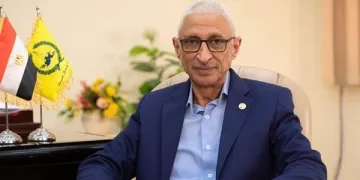
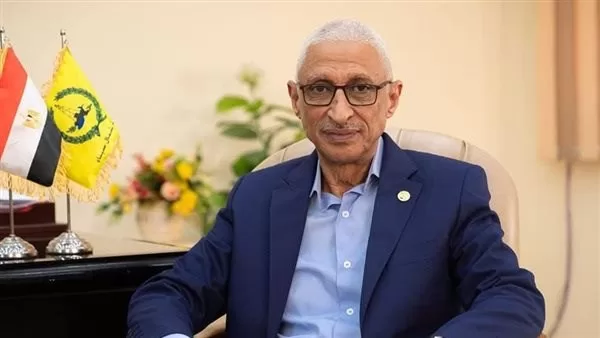
In an interview with The Egyptian Gazette, the Governor of North Sinai, Major General Dr Khaled Maghawer, outlined the next phase.
Sinai, he said, has witnessed four wars — in 1948, 1956, 1967 and 1973. These wars were followed by an 11-year war against terrorism that ended in 2022. The lesson, he noted, is clear. Security alone is not enough.
Egypt has adopted a comprehensive development strategy based on lessons from past conflicts and current regional challenges.
A robust road network linking Sinai to the Nile Valley is part of the plan. Land crossings, ports, and airports are being built. Railways are being revived after being shut down in 1967. With six “Tahya Misr” tunnels currently in use, mobility and communication have increased.
Governor Maghawer described a “development triangle”. At its apex is public investment. More than LE525 billion pounds have been allocated to development projects.
The second side is the private sector, helping to accelerate growth and fill gaps. The third side is the human development. More than 200 civil organisations are working to meet the needs of residents.
He stressed that economic growth cannot succeed without social stability.
The governor acknowledged that there are certain challenges. Some sectors, such as tourism, require more time. Projects are still under construction and may take years to deliver full results.
Two parallel plans are in place. A long-term strategy runs until 2030, covering major national projects. Annual investment plans address urgent infrastructure and daily needs.
“Development is our strategic weapon,” Maghawer said, adding that it builds the future and prevents the return of terrorists.
He noted that North Sinai, once a battlefield, is being transformed to become a new economic capital for Egypt. The transformation is still under way. But the direction is clear.
He concluded: “North Sinai is becoming a test of whether or not development can secure lasting peace”.