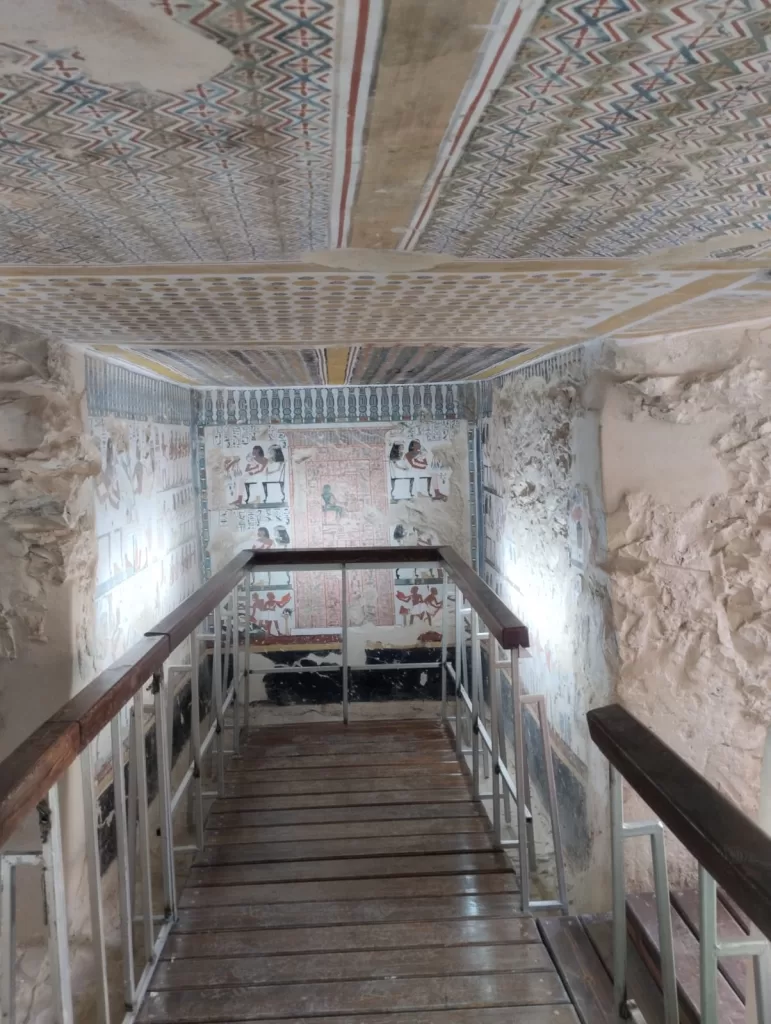





Egypt is pressing ahead with the restoration of three New Kingdom tombs on Luxor’s West Bank as part of a wider push to protect its ancient heritage and boost cultural tourism, the Ministry of Tourism and Antiquities announced on Sunday.
The project, carried out by the Supreme Council of Antiquities (SCA), covers the tombs of Amenhotep called Rebuya (TT416), Samut (TT417) and Nakht (TT52) in the Sheikh Abd el‑Qurna area known as al‑Khokha.
Two of the tombs, TT416 and TT417, are being prepared for public opening for the first time since their discovery in 2015, while TT52 is already accessible and has undergone new upgrades.
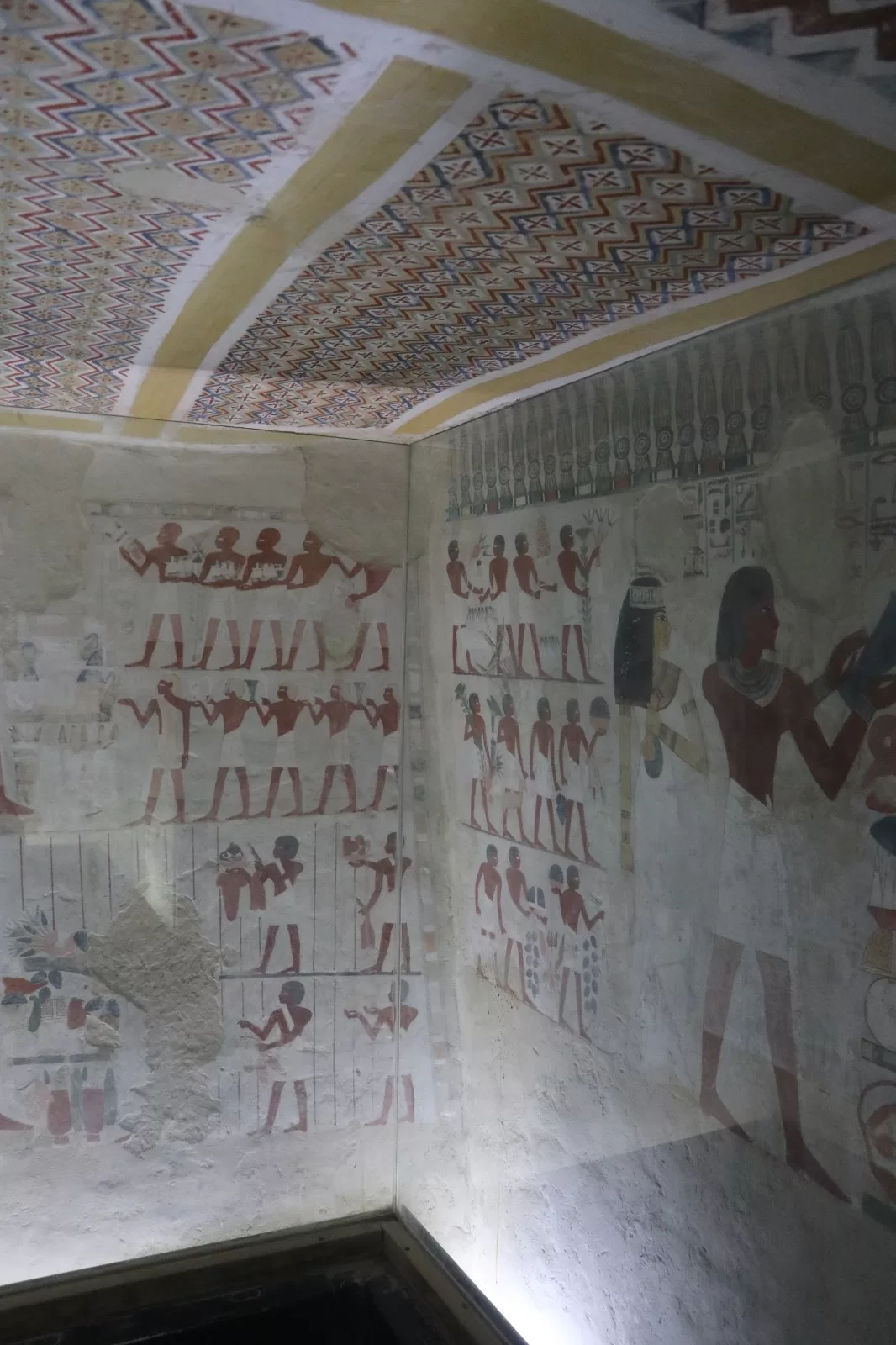
The three tombs, dating to the 18th Dynasty of the New Kingdom, are known for intricate scenes depicting daily life and funerary beliefs. They add fresh depth to the West Bank’s visitor circuit, long dominated by royal burials such as the Valley of the Kings.
SCA Secretary‑general Hesham el‑Leithy said the restoration teams used state‑of‑the‑art methods to stabilize fragile wall scenes, strengthen structures and mitigate damage. The aim, he added, is to strike a balance between authenticity and accessibility: protecting the tombs from deterioration while making them safe and organized for visitors.
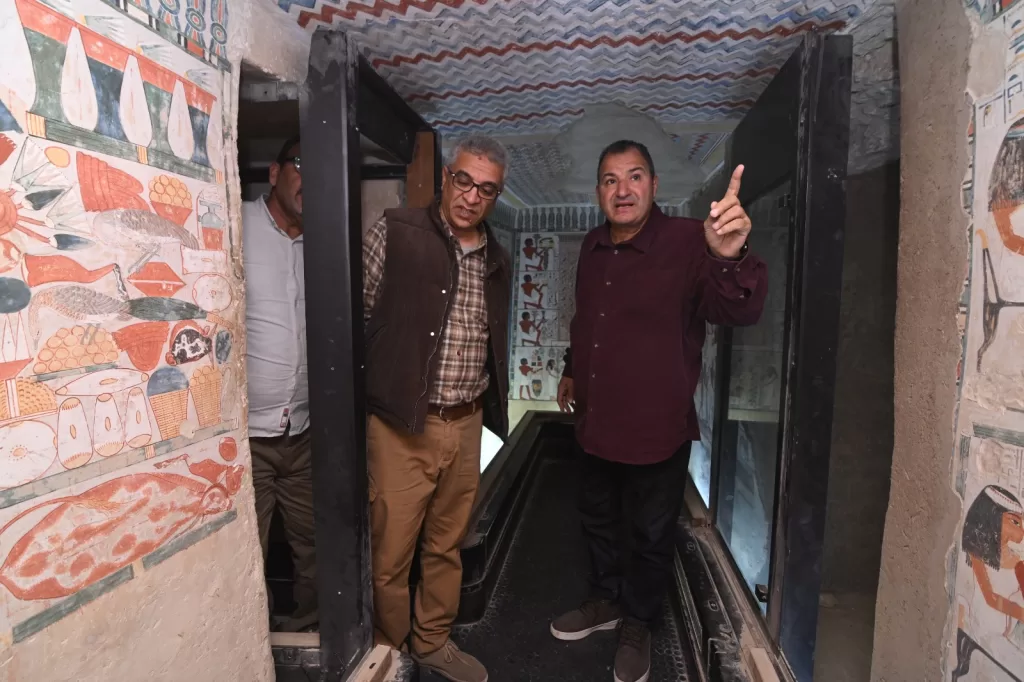
The two soon‑to‑open tombs underwent extensive conservation: cleaning, consolidating pigments, treating cracks, architectural repairs and clearing debris. Infrastructure upgrades included new wooden walkways, modern lighting, paved exterior courtyards, stone stairways, signage, shaded rest points and bilingual guide materials.
Mohamed Abdel‑Badea, head of the Egyptian Antiquities Sector, described TT416 and TT417 as classic examples of the T‑shaped plan typical of 18th Dynasty private tombs, with transverse halls decorated with scenes of daily life and longitudinal halls dedicated to funerary rituals. Both were reused in the Late Period, leaving additional rooms and burial shafts.
Rebuya’s tomb is notable for detailed agricultural scenes and a rare depiction of offerings to the goddess Renenutet. Samut’s tomb, though incomplete, features high‑quality artwork.
At TT52, the tomb of Nakht, scribe of the granaries under Thutmose IV, teams replaced ageing protective glass panels installed in the 1990s with modern glazing that allows better ventilation while preserving the painted reliefs. Lighting systems were upgraded and additional fine conservation carried out on the wall scenes.
Nakht’s tomb follows the same T‑plan layout, leading through a transverse hall into a long hall with a statue niche. Its well‑known scenes show Nakht and his wife making offerings, supervising agricultural work and presiding over rituals tied to daily and funerary life.