


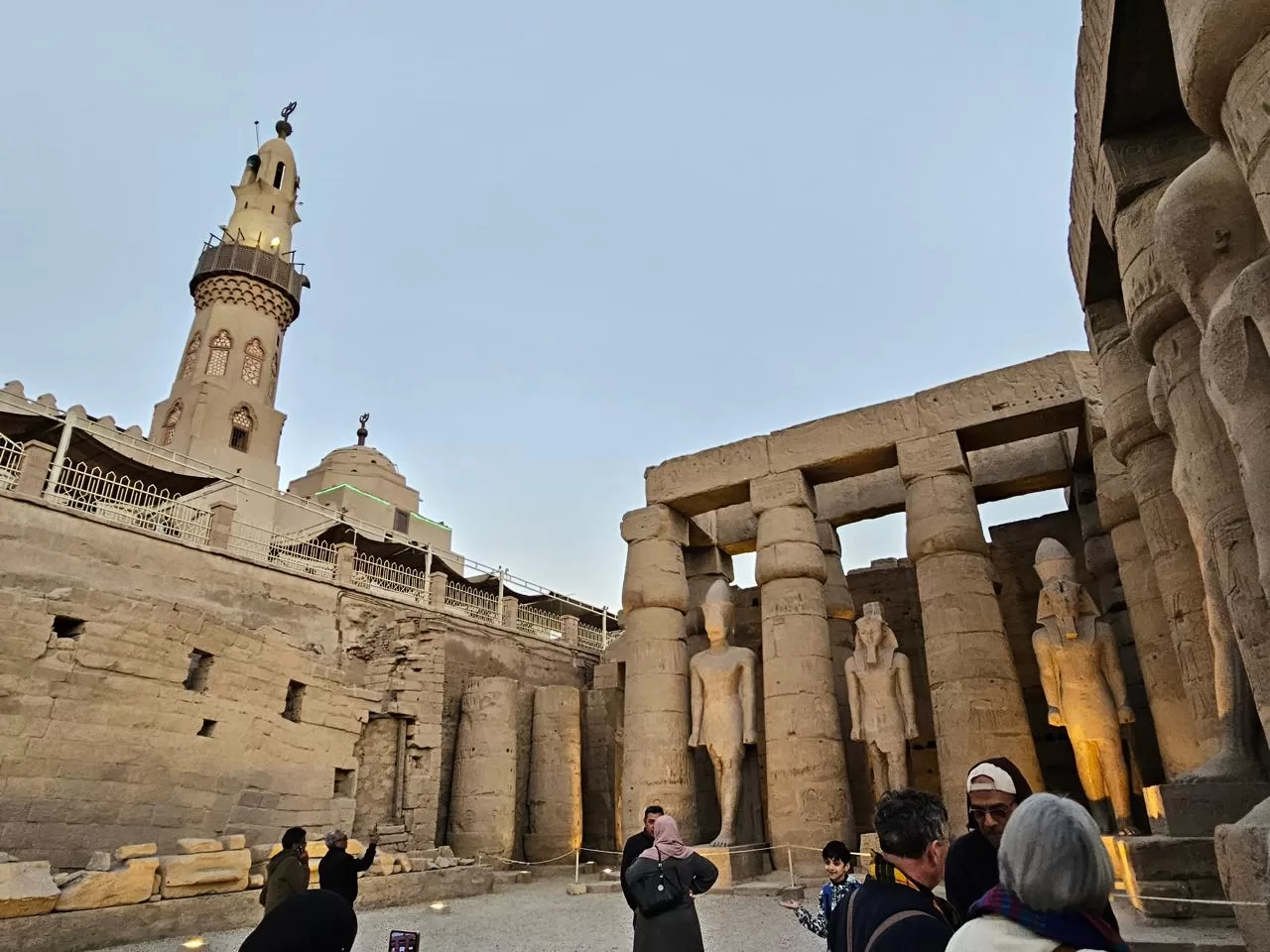
Amid the dazzling columns of Luxor Temple, bathed in golden light and anticipation, history was made.
The city of Luxor, long celebrated as the world’s oldest open-air museum, was officially named the world’s first Global Capital of Culture, History, and Heritage by the Afro-Asian Union (AFASU), an honour heralded by an international gathering of dignitaries, artists, and cultural leaders in a ceremony as grand as the city’s legendary past.
For Hossam Darwish, president of AFASU, the recognition is both a tribute and a call to action.
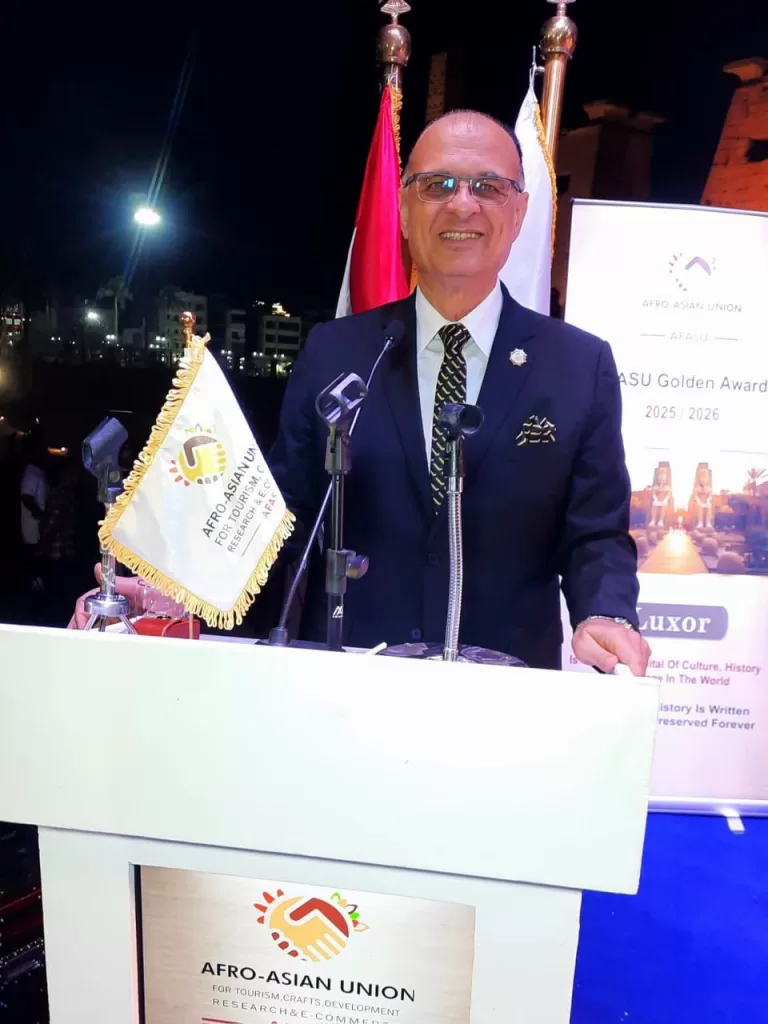
“This wasn’t just an award for Luxor,” he said. “It’s an invitation for the world to remember, celebrate, and protect the legacy that cities like Luxor represent,” he told The Egyptian Gazette.
The AFASU award, given every two years, is not bestowed lightly.
This year, five cities vied for the honour, with a panel of 45 international experts, from former ministers to sustainability consultants and leading figures in tourism and culture, undertaking a thorough selection process.
The committee encompassed 18 nationalities and, after careful deliberation, voted unanimously for Luxor.
“In some years, we don’t grant the title at all if no city is worthy,” Darwish revealed. “But this year, with unanimous conviction, Luxor stood beyond comparison.”
AFASU itself is no ordinary organisation. Rooted in the historic Afro-Asian Peoples’ Solidarity Organisation (AAPSO), which traces its origins to the 1955 Bandung Conference – an epochal gathering championed by leaders, such as Gamal Abdel Nasser of Egypt, Jawaharlal Nehru of India, and Josip Broz Tito of Yugoslavia – AFASU symbolises decades of cross-continental collaboration in heritage, tourism, technology, and human values.
Luxor’s selection has set in motion an array of international events and collaborations, all designed to highlight and enhance its stature on the world stage.
The Governorate of Luxor has pledged extensive support, promising a calendar brimming with cultural festivals, exhibitions, and scholarly symposia.
“We expect an enormous promotional boost, not just for Luxor, but for Egypt as a whole,” Darwish said. “Already, news of this accolade has echoed around the world—from major tourism platforms in London, Doha, and Sri Lanka to ministries in Europe and beyond.”
Steeped in more than four millennia of history, Luxor is a city like no other.
It is recognised as a UNESCO World Heritage site. Formerly known as Thebes, Luxor once served as the capital of Egypt during the Middle and New Kingdom periods. The city is home to some of Egypt’s most impressive monuments, including the temples of Karnak and Luxor, as well as the royal temples and various burial sites on the west bank.
Among these is the renowned Valley of the Kings, where the Tomb of Tutankhamun was discovered. Visitors should also explore the Valley of the Queens, especially the magnificent Tomb of Nefertari, along with the Tombs of the Nobles and the ancient workers’ village of Deir al-Medina.
The award represents more than just a symbolic honour. It serves as a focal point for promoting cultural tourism, protecting heritage, and encouraging sustainable development, Darwish said.
Its main goals include drawing attention to cities that have unique historical and cultural significance, raising worldwide awareness about the importance of preserving cultural heritage, and supporting tourism and local economies in ways that are sustainable for the future. The award also aims to promote intercultural exchanges that are grounded in our shared human values and to inspire creative approaches to managing and preserving heritage.
As the first city to wear this crown, Luxor will serve for two years as an international beacon, inspiring other cities and communities to safeguard their own legacies.
The criteria for the award are exacting: exceptional preservation of internationally recognized heritage; active promotion of cultural tourism; innovative restoration projects; and a demonstrated commitment to education and sustainable development.
Through the recognition of cities, such as Luxor, AFASU hopes to weave a global tapestry of cities that are not merely keepers of monuments, but incubators of cultural pride, economic opportunity, and lasting understanding between peoples.
“This award shines a spotlight on humanity’s shared treasures,” Darwish said.
“Luxor is not only Egypt’s heritage; it is the world’s inheritance. May this moment mark not just recognition, but also renewal,” he added.

