




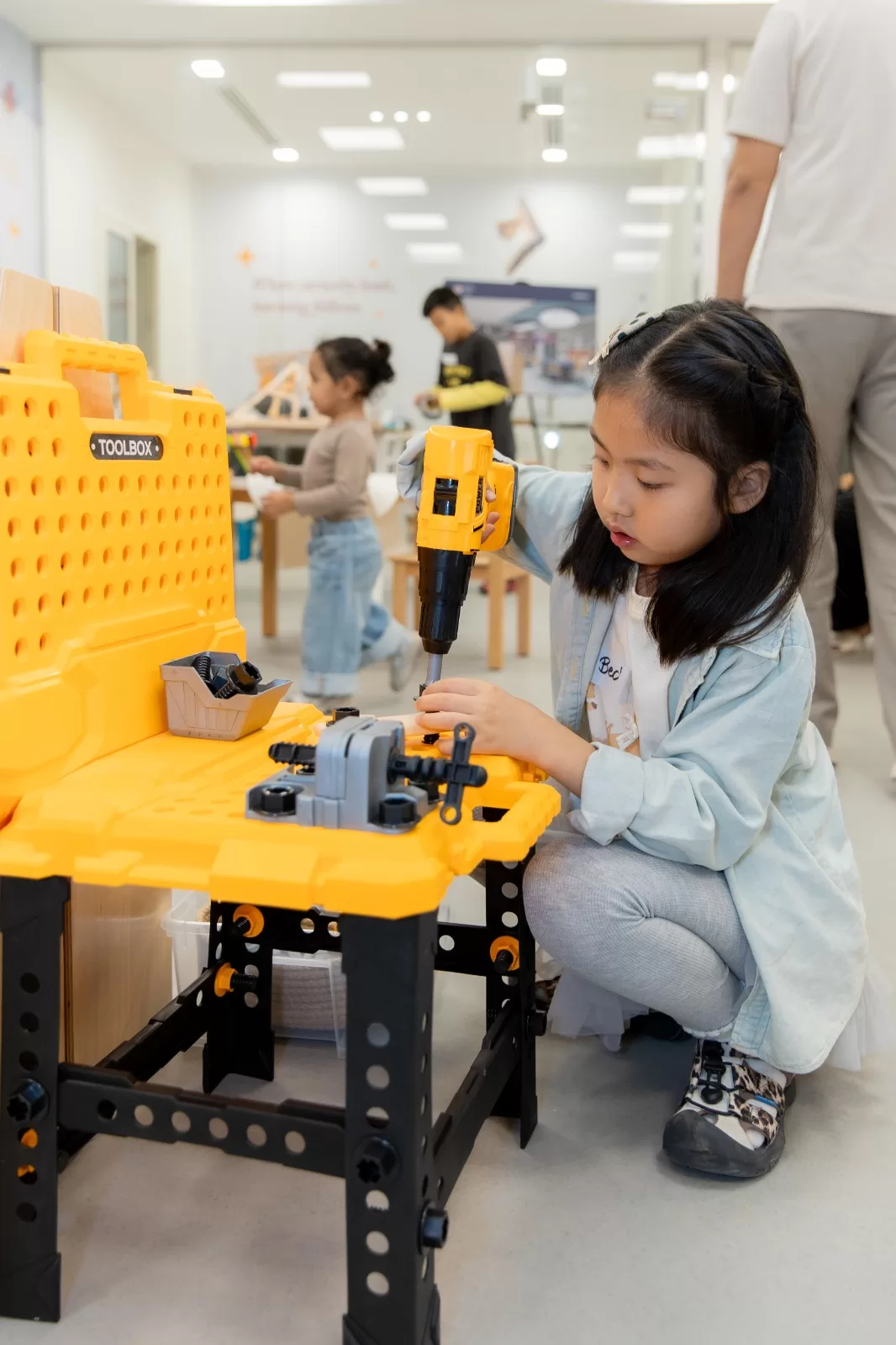
As conversations regarding the future of education evolve globally, Cairo is increasingly becoming a key participant in the dialogue. Facilitating this exchange between international perspectives and local aspirations, Dianne Drew, Head of School at Dwight School New York and Global Education Director for Dwight Schools, recently visited Cairo to engage with families joining Dwight School Cairo.
With over three decades of experience in education—including senior leadership roles associated with the International Baccalaureate (IB)—Drew’s visit highlighted the growing relevance of inquiry-driven learning, student agency, and an internationally minded curriculum in preparing students for an increasingly dynamic world.
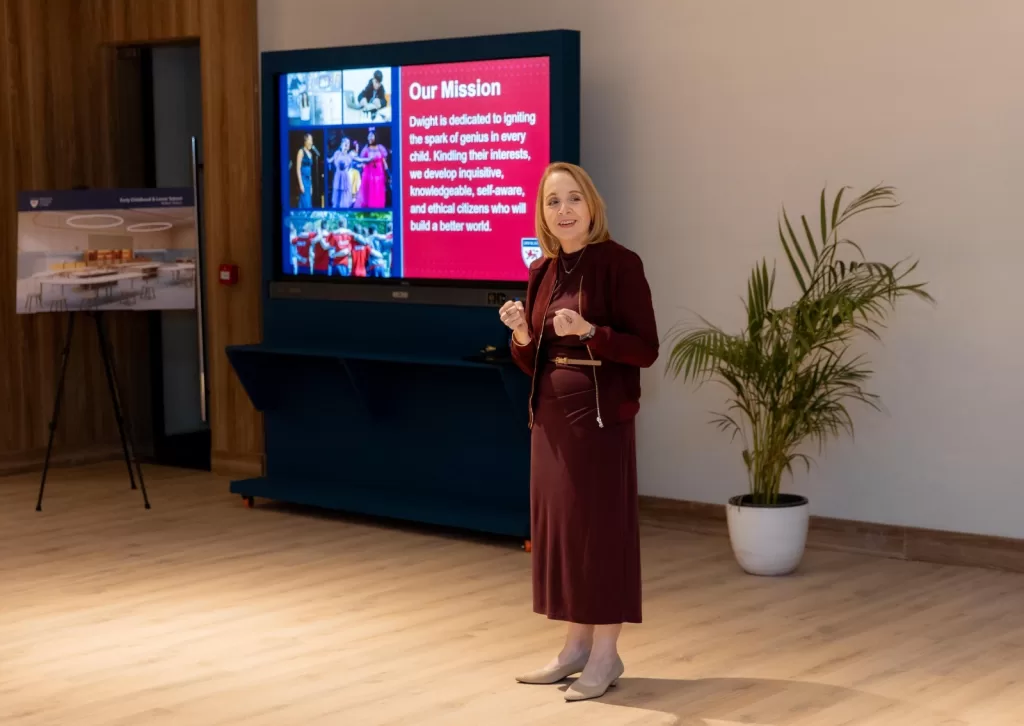
As part of the Dwight global network’s engagement, Drew brings more than 30 years of educational expertise to Cairo. Her background includes serving on the IB Board of Governors and as Chair of the IB Global Heads Council. Her visit underscores Egypt’s rising prominence in the international conversation surrounding the future of learning.
The visit served as more than a formal introduction; it reflected the deep connectivity within the Dwight global network. Founded in New York over 154 years ago, Dwight has long championed the “Spark of Genius”, the belief that every child possesses a unique talent that can be nurtured through personalized learning.
Central to the discussion was a clear consensus: as the world changes, education must evolve accordingly. Leading global educational systems increasingly recognise that rote memorisation is no longer sufficient. Today’s students must be equipped to think critically, ask insightful questions, communicate effectively, collaborate across cultures, and take ownership of their learning.
“In my work over the years, including with the International Baccalaureate, I have seen how powerful an inquiry-driven approach can be,” said Dianne Drew. “When students are encouraged to explore, question, and connect ideas, learning becomes far more meaningful and lasting. It is not just about preparing students for exams or university; it is about preparing them for life.”
This philosophy aligns with a broader global shift toward inquiry-based frameworks. Research from the International Baccalaureate reflects this trend, demonstrating that students in its programmes are more likely to enrol in university and persist through their studies.
The session at Dwight School Cairo was intentionally intimate and conversational. By inviting a select group of families to engage directly with Drew and the school’s leadership team, the event provided a space for open dialogue rather than a one-way presentation. This format reflects Dwight’s core belief that meaningful education begins with meaningful conversations.
The visit also highlighted a shift in the Egyptian market, where demand is growing for an education that balances local relevance with genuine global connectivity. For many families, access to international expertise is no longer a luxury; it is a vital metric for evaluating future-ready learning.
As education systems worldwide adapt, parents are asking more urgent questions: how should schools balance academic rigour with creativity, and how can we best prepare students for constant change? In Cairo, these questions found a meaningful forum. The clear takeaway from the exchange is that the future of education belongs to schools that go beyond academic performance to help students think, connect, adapt, and grow with confidence.

