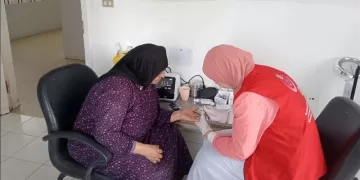








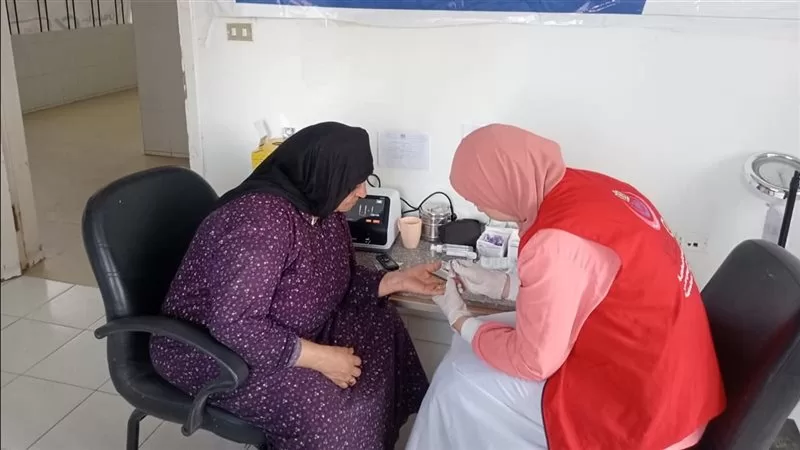
The Presidential Initiative for the Early Detection and Treatment of Liver Cancer has successfully screened 97,194 citizens from high-risk groups
This has led to the early detection of 2,100 liver cancer cases and contributing to significant improvements in treatment outcomes and healthcare efficiency across Egypt.
The Ministry of Health and Population announced on Monday the results of the initiative’s evaluation, highlighting its considerable success in saving lives, reducing the burden of advanced-stage disease, and generating substantial economic savings for the state.
The initiative has contributed to a 44 per cent reduction in the detection of liver cancer cases at advanced stages, reflecting the effectiveness of Egypt’s preventative healthcare strategy and the importance of expanding early detection programmes, Health Ministry Spokesman Hossam Abdel-Ghaffar said.
According to the evaluation, the initiative generated savings estimated at LE2.83 billion in public expenditure and achieved a return on investment of 26.6 per cent.
The programme also helped save 3,872 years of life and secured 1,505 years of improved quality of life for patients.
Spokesman Abdel-Ghaffar emphasised that early diagnosis has played a critical role in detecting the disease at more treatable stages, reducing the need for complex and costly late-stage interventions, preserving thousands of lives, and easing financial pressures on the healthcare system.
He added that the initiative represents more than a medical campaign, describing it as a strategic investment in the health of Egyptian citizens and the sustainability of the national healthcare sector.

