



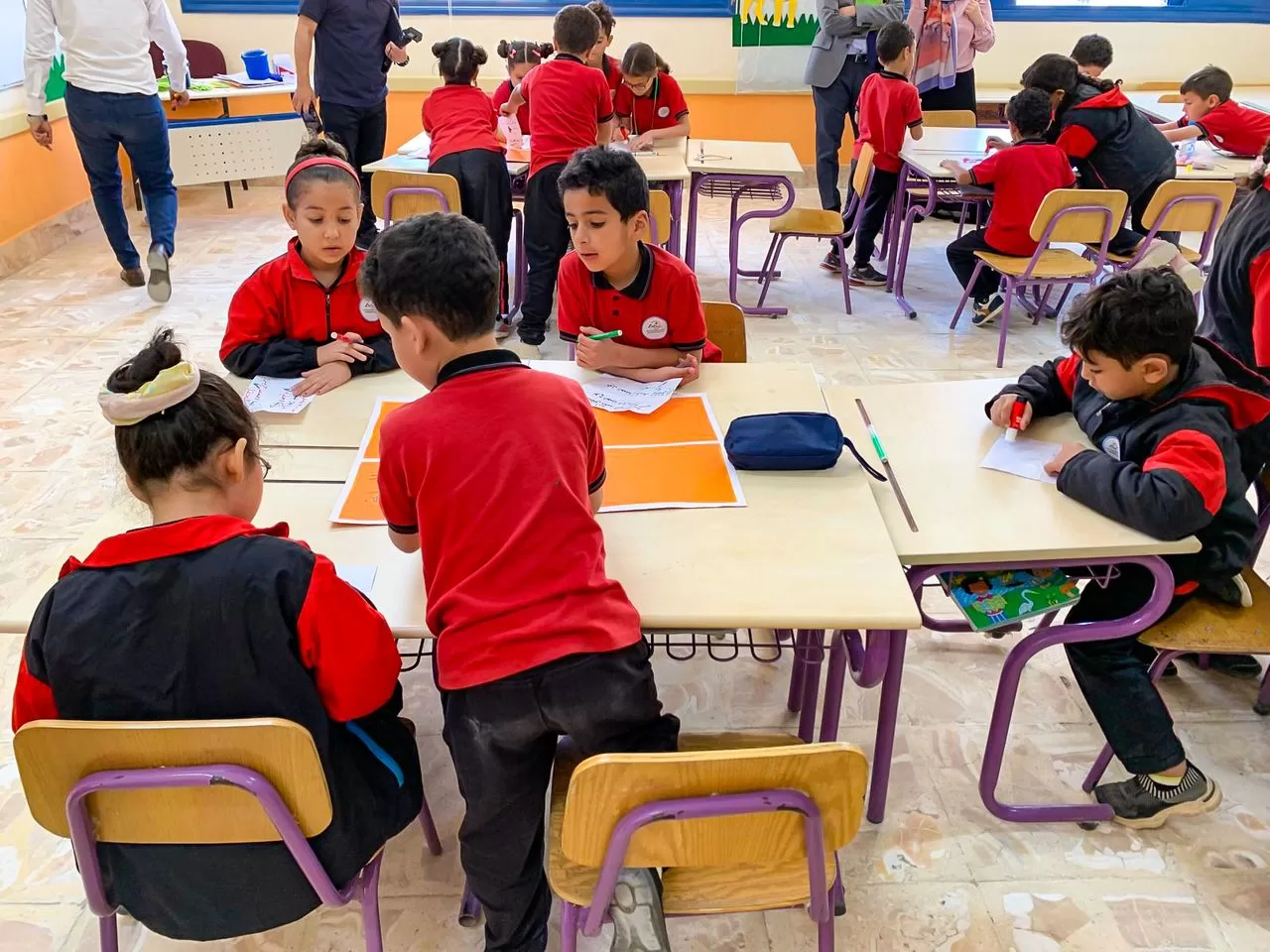
Egypt is set to significantly expand its network of Egyptian-Japanese schools, with more than 100 expected to be operational starting in the new academic year.
The government has set an ambitious goal of reaching 500 such schools by 2030.
Speaking in a plenary session of the Senate, Minister of Education and Technical Education Mohamed Abdel Latif announced that the country has already exceeded its previous target of 100 schools by 2030, which was set just two years ago.
He added that more than 17 Japanese education experts are currently based in Egypt on a full-time basis to support implementation, with that number expected to rise to 50 before the next school year begins.
The initiative also includes a major teacher-training partnership with Japan’s Hiroshima University.
Egyptian teachers are being prepared in modern Japanese teaching methods, and those who complete the one-year programme receive a jointly accredited diploma.
The programme started with 100 teachers and is gradually scaling up, with plans to train around 5,000 educators annually.
From the 2026–2027 academic year, the Ministry of Education will begin introducing Japanese-inspired curricula in regular state schools at selected grade levels.
Curriculum developers are, meanwhile, adapting the content to fit Egyptian cultural and linguistic contexts.
Instruction will be delivered in Arabic in public schools and in English in experimental ones.
Professor of Educational Psychology at Ain Shams University Tamer Shawky told The Egyptian Gazette that the new curricula draw heavily from Japan’s strengths in STEM education and skills-based learning.
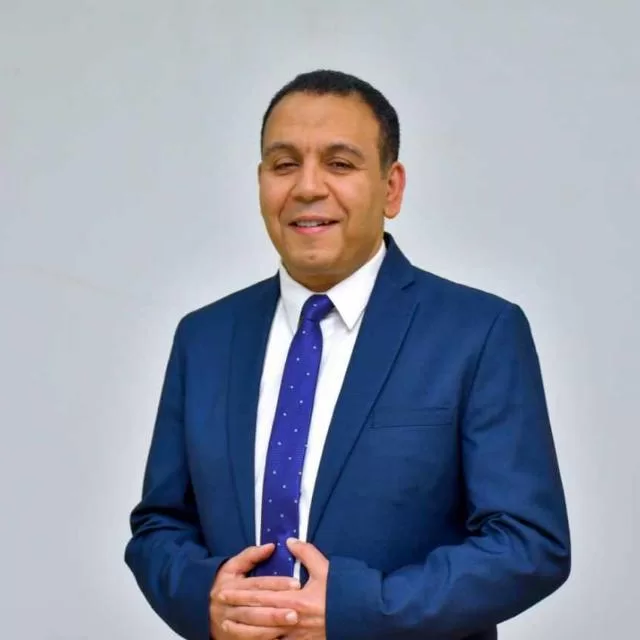
While the current focus is on the Japanese model, he noted that future phases may incorporate more elements aligned with the Egyptian system.
The move has sparked lively discussion among education experts about the pace and scale of adopting foreign curricula.
Supporters argue that Japan’s approach, known for fostering discipline, problem-solving, and practical skills, could help modernize Egypt’s education system and better prepare students for the future.
“The partnership with Japan could strengthen teacher training and significantly improve students’ competencies in science, technology, engineering, and mathematics,” Professor Shawky said.
However, not all voices are entirely optimistic. Professor of Curricula at Ain Shams University Hassan Shehata stressed the importance of realistic implementation.
He urged the ministry to carefully assess the current readiness of both students and teachers, many of whom may need substantial support to adapt to the new materials.
Professor Shehata called for organizing comprehensive workshops and training programmes to prepare teachers and ensure a smooth transition.
He also cautioned against over-reliance on imported models, emphasizing that lasting education reform requires deep localization, alignment with national identity and labour market needs, and a gradual, well-planned rollout to avoid overwhelming teachers and students.

