


SCA’s chief, Alexandria Shipyard’s head in statements to The Egyptian Gazette
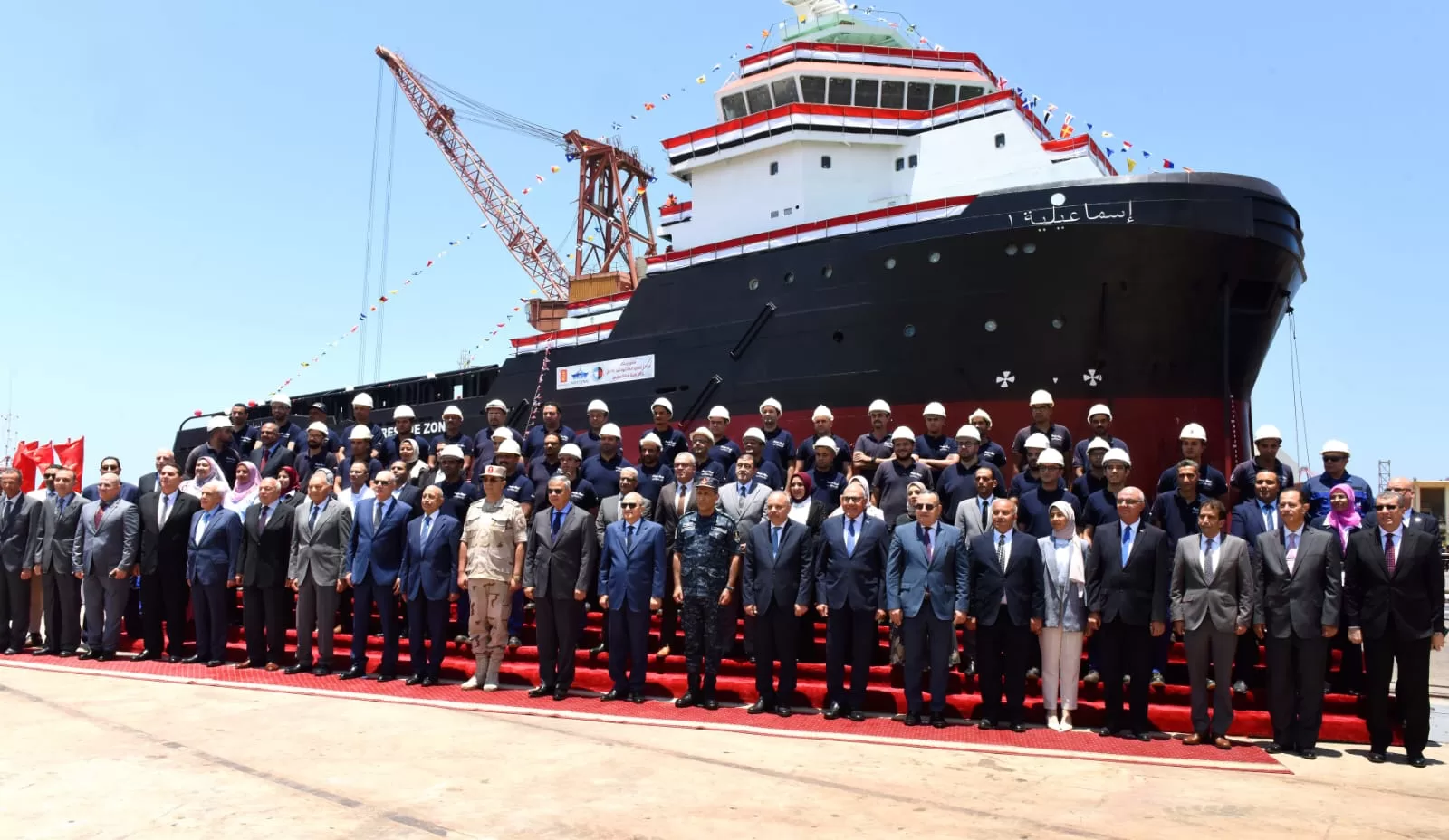
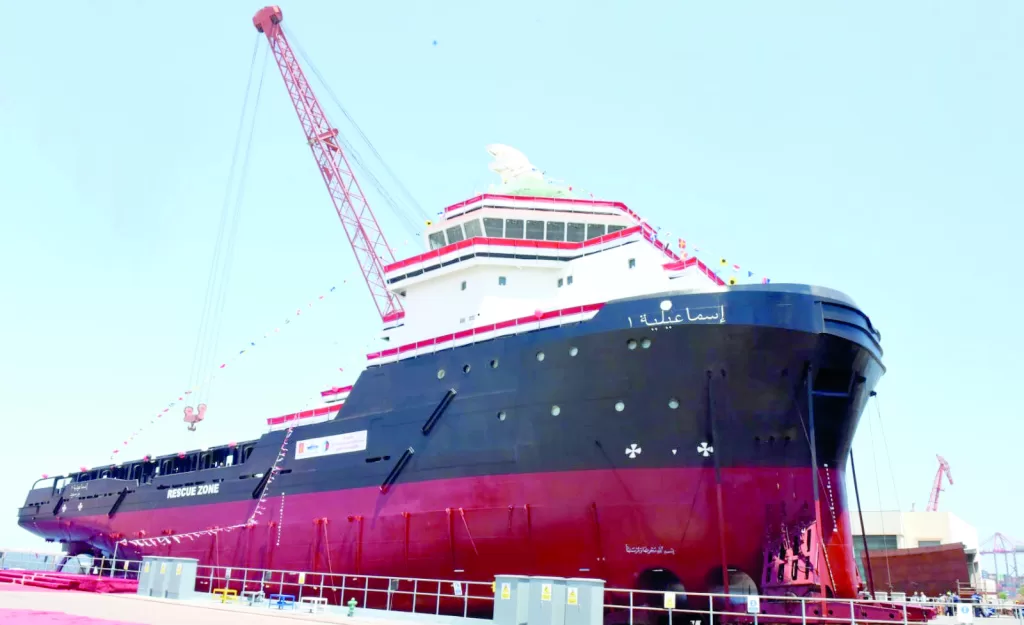
Under presidential directives and with growing national capabilities, the Suez Canal Authority (SCA) continues to expand its modern maritime fleet, culminating this week in the launch of the “Ismailia 1” tugboat, a state-of-the-art vessel with a 190-tonne bollard pull capacity.
During the launch ceremony held at Alexandria Shipyard, SCA Vice Admiral Osama Rabie praised the unwavering support of President Abdel Fattah El Sisi, which has enabled the establishment of a robust marine industrial base.
This base is built on three pillars: co-operation with the Red Sea South Company, the Egyptian Navy, and the SCA’s own industrial ventures, he said in exclusive statements to The Egyptian Gazette.
Vice Admiral Rabie described “Ismailia 1” as part of a broader plan to enhance the SCA’s rescue and technical support capabilities.
This plan is directly drawn from lessons learned during the 2021 Ever Given crisis, which blocked the canal for six days and underscored the need for stronger maritime response infrastructure.
The newly launched tugboat is set to operate within the Suez Canal’s navigation channel, though it is also equipped for regional and international rescue missions if required.
Rabie also revealed plans for the construction of 12 deep-sea fishing vessels in collaboration with the Red Sea South Company. This follows a successful project between the two entities that saw the completion of 10 tugboats with 90-tonne capacity, later expanded by presidential directive to 15 tugboats earmarked for international export, he noted.
“We’ve already started discussions to export these vessels to several countries,” he added, without naming the prospective buyers pending final contract agreements.
The SCA Chairman outlined additional industrial initiatives, including manufacturing passenger ferries in Luxor and Aswan, and the production of multiple assembly lines in partnership with the Red Sea South Shipyard – all part of a long-term vision to localise maritime industry and strengthen private-sector partnerships.
The SCA chief said that all of SCA’s current maritime units are domestically produced, in co-operation with national partners such as Alexandria Shipyard. Over the past year, he added, the SCA has built 20 pilot boats, in addition to floating bridges and ferries that serve both banks of the canal.
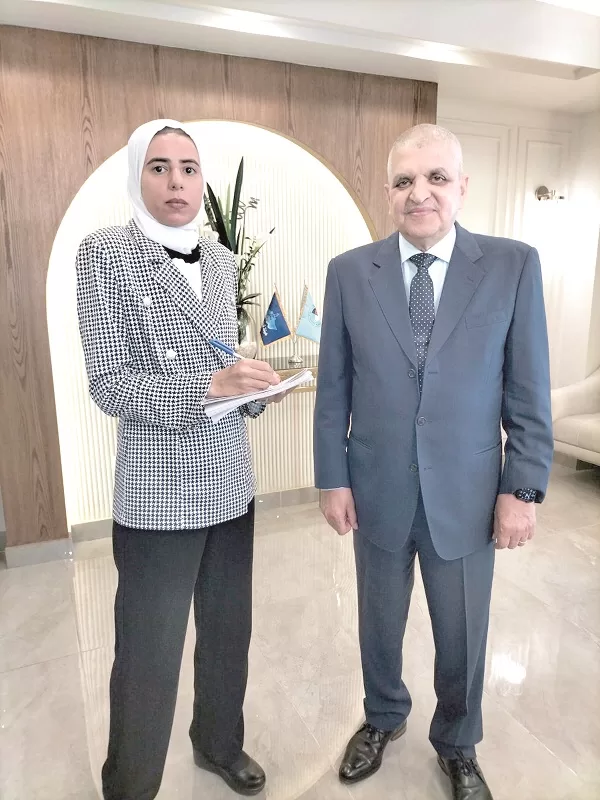
Speaking to The Egyptian Gazette, Rear Admiral Hossam El-Din Kotb, Managing Director of Alexandria Shipyard Company, hailed “Ismailia 1” as a world-class achievement in heavy tugboat manufacturing, the product of over 1.1 million man-hours across 20 months of non-stop work.
“The vessel reflects Egypt’s technical and human capabilities, rivalling those of advanced nations in both commercial and military shipbuilding,” he said.
“It also showcases the success of national strategies to localise critical industries,” he added.
Rear Admiral Kotb reviewed the transformation of Alexandria Shipyard since its overhaul began in 2015, highlighting its growing competitiveness. Notable achievements include the manufacturing of the MEKO-class frigate, and the launch of a new 85-tonne tugboat production line.
He stressed that Egypt aims to become a regional hub for the manufacturing and maintenance of both civilian and military vessels, citing strategic partnerships – such as those with the Red Sea South Company and the SCA – that have led to the production of tugboats like “Azzam 1” and “Azzam 2.”
Rear Admiral Kotb announced that new export contracts for Egyptian tugboats will be unveiled soon, bolstering Egypt’s global standing in the maritime sector.
Furthermore, Kotb revealed the establishment of the Marine Technology Studies Institute, a joint initiative between Alexandria Shipyard and the Navy, aimed at becoming a national centre for ship design and production.
Regarding maintenance, he explained that “Ismailia 1” is supported by a comprehensive maintenance system, combining onboard crew training and regular servicing at the yard’s dry docks to ensure operational readiness.

