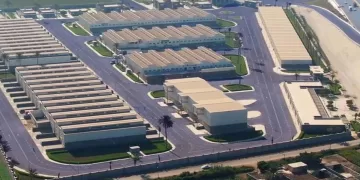




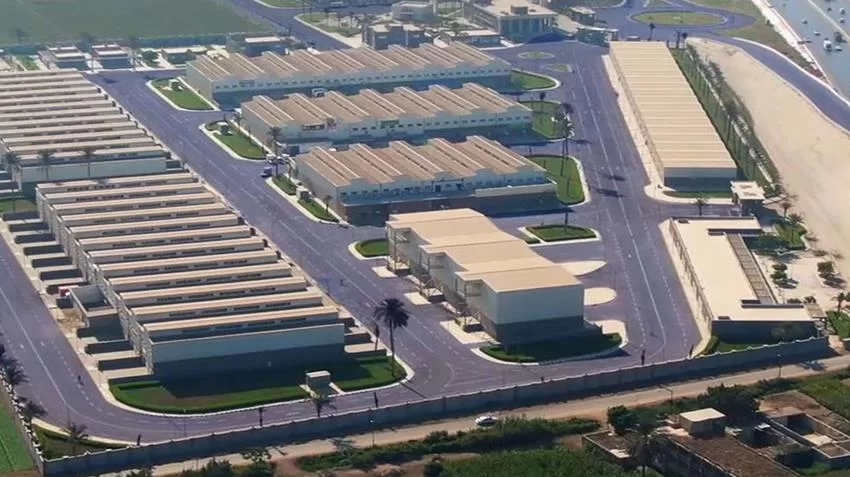
Investment zones have become a central pillar of Egypt’s economic strategy, aimed at accelerating GDP growth, expanding exports, and driving private sector-led industrialization.
Established under Investment Law No. 72/2017, these zones offer streamlined licensing procedures, attractive tax incentives, and customs exemptions.
According to a recent report by the Ministry of Investment and Foreign Trade, the 12 zones operating around the nation have already attracted LE66.3 billion in investments and generated around 77,500 jobs.
“The government works hard to expand private sector participation in the development process,” said economist Abu Bakr el-Deib.
“It has introduced a wide range of facilities to encourage investors to establish businesses across the country,” he told The Gazette.
A key feature of these zones is the ‘one-stop shop’ system, which allows investors to complete all licensing and administrative requirements through a single entity.
This significantly cuts time and costs, while improving Egypt’s performance in global ease-of-doing-business rankings.
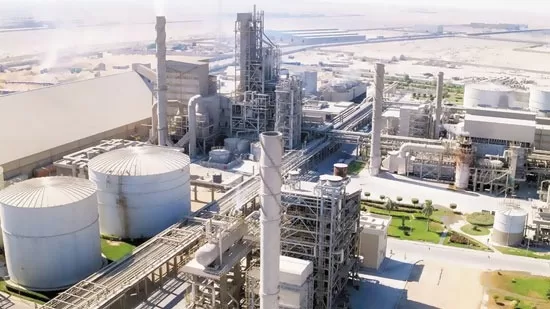
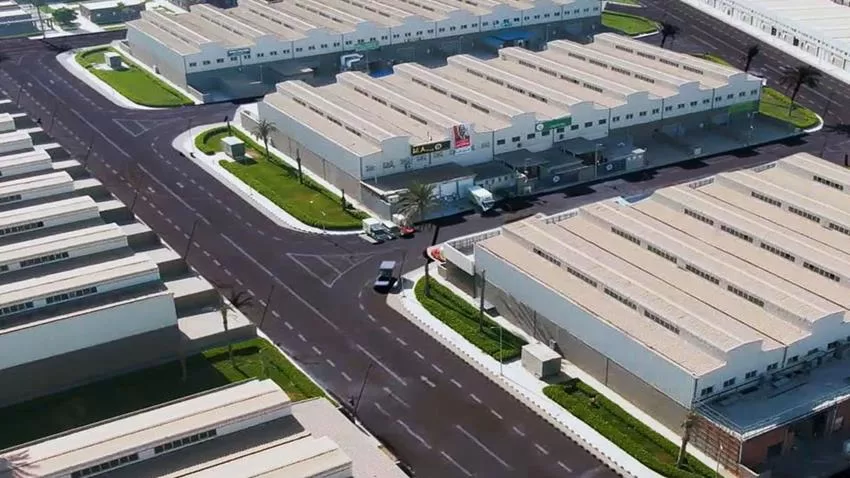
The zones also come equipped with fully serviced industrial units and integrated infrastructure, including electricity, water, roads, and telecommunications.
As el-Deib noted, this ready-made setup enables projects to become operational quickly and enhances the competitiveness of both industrial and service-sector investments.
Economists highlight that the availability of comprehensive infrastructure lowers operational risks and boosts confidence among foreign investors.
Economist Ashraf Gharab described the investment zones as “a qualitative shift” in Egypt’s development model.
“They link investment attraction with job creation across different governorates, rather than concentrating opportunities only in major cities,” Gharab said.
“This approach strengthens the economy’s capacity to absorb new capital and serves as a vital tool for achieving comprehensive and sustainable development,” he told this newspaper.
Last year, Egypt’s private sector secured $2.9 billion in financing, accounting for about 65% of total investments, according to data from the Cabinet Media Centre.
This momentum aligns with the second edition of the “Narrative for Economic Development 2030,” which emphasizes growth, employment, and structural reforms.
The upcoming 2026–2027 fiscal year continues this direction, with the government targeting an increase in the private sector’s share of total investment to 64% by 2030, up from around 59% currently.
It also aims to raise the investment-to-GDP ratio from approximately 17% to 20% in the medium term, with total investments projected to reach LE3.7 trillion.
To build on this progress, the government has launched a three-month promotional campaign for investment zones.
Investment Minister Mohamed Farid said the initiative seeks to raise awareness of the available incentives and expand utilization of the zones, while highlighting their role in driving investment, job creation, and exports.
Recent economic studies emphasize the growing importance of Egypt’s economic and logistics zones in integrating the country into global value chains.
Thanks to its strategic location and improving infrastructure, Egypt is well-positioned to become a regional hub for manufacturing and logistics across the Middle East and Africa, economists said.
In parallel, the Ministry of Industry is developing a comprehensive database to promote investments, expand production, and strengthen engagement with small and medium-sized enterprises.
In a notable development, the government recently approved Egypt’s first Special Investment Zone for a major real estate project, valued at approximately LE1.4 trillion.

Taken together, these efforts signal a clear shift towards a more dynamic, private-sector-driven economy that spreads opportunity more widely across the country, economists add.

